Holistic Body Detoxification
Understanding Detoxification
Your Body's Cleanup Crew
Your body has a sophisticated, built-in system for cleaning itself out. It works 24/7 to neutralize and remove harmful substances, from environmental pollutants to metabolic byproducts. This process, called detoxification, isn't about a special diet or juice cleanse. It's a fundamental biological function carried out by a team of dedicated organs.
The main players in this cleanup crew are your liver, kidneys, and lymphatic system. Each has a distinct job, but they work together seamlessly to filter your blood, process toxins, and escort them out of your body. Understanding how this natural system works is the first step in supporting its efficiency.
The Liver: The Master Chemist
Think of the liver as the body's main processing plant. It's one of the hardest-working organs, performing hundreds of functions. One of its most critical roles is to take harmful, fat-soluble toxins and convert them into harmless, water-soluble substances that can be easily excreted.
This conversion happens in a two-step process, commonly known as Phase I and Phase II detoxification.
First, the liver prepares the toxin. Then, it packages it for removal.
Phase I is the activation step. A family of enzymes called cytochrome P450 takes a toxin and, through a chemical reaction like oxidation, makes it more reactive. This is like adding a chemical "handle" to the toxin molecule. While this makes the molecule easier to grab onto in the next phase, it can sometimes make it temporarily more harmful. This is why the second phase must be working efficiently to follow up.
Phase II is the conjugation step. Here, the liver attaches another molecule to the activated toxin using the handle created in Phase I. This process neutralizes the toxin and makes it water-soluble. Once it's water-soluble, the body can easily get rid of it through urine or bile.
Kidneys and Lymph: The Disposal Network
Once the liver has done its job processing toxins, the body needs a way to get them out. This is where the kidneys and the lymphatic system come in.
Your two kidneys are master filters. All the blood in your body passes through them several times a day. As blood flows through, the kidneys sift out the water-soluble waste products prepared by the liver, along with excess salts and other substances. They balance your body's fluids and then excrete the waste as urine.
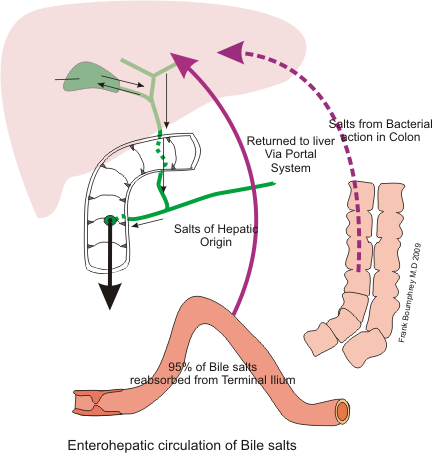
The lymphatic system is another crucial part of the cleanup crew. It's a vast network of vessels and nodes that runs throughout your body, kind of like a parallel circulatory system. Its job is to collect fluid, waste material, and other unwanted substances from your body's tissues, outside of the bloodstream. This fluid, called lymph, is then transported through the lymphatic vessels and filtered through lymph nodes, where immune cells destroy harmful pathogens. Eventually, the cleaned fluid is returned to your bloodstream.
Unlike the circulatory system, which has the heart as a pump, the lymphatic system relies on muscle contractions, breathing, and body movement to keep lymph flowing.
Factors That Affect Detox
The efficiency of your body's detoxification system isn't set in stone. It can be influenced by several factors.
| Factor | Impact on Detoxification |
|---|---|
| Genetics | Variations in genes can make enzymes, like cytochrome P450, work faster or slower, affecting how quickly you process certain substances. |
| Diet | The liver's Phase II requires specific nutrients like amino acids, vitamins, and minerals to function. A nutrient-poor diet can slow it down. |
| Lifestyle | Chronic stress, lack of sleep, and a sedentary lifestyle can impair the function of the liver, kidneys, and lymphatic flow. |
| Toxin Load | High exposure to environmental toxins, alcohol, or medications can overwhelm the system, creating a backlog for the liver to process. |
These systems are robust, but they perform best when they have the right resources and aren't constantly overloaded. Supporting your body’s natural detoxification means providing the building blocks it needs and reducing the burden placed upon it.
Which group of organs are the main players in the body's natural detoxification process?
During Phase I of liver detoxification, enzymes make toxins more reactive, which can temporarily make them more harmful.