Hobbyist Music Production Basics
Introduction to Music Production
What is Music Production?
Music production is the entire process of creating a song, from the first spark of an idea to the final, polished track you hear on the radio or your favorite streaming service. It’s both a technical craft and a creative art form.
At the center of this process is the music producer. Think of a producer like a film director. While the director doesn't act in every scene or operate the camera, they guide the entire project to bring a vision to life. A music producer does the same for a song. They help the artist shape their ideas, make creative decisions, and ensure the final product sounds incredible.
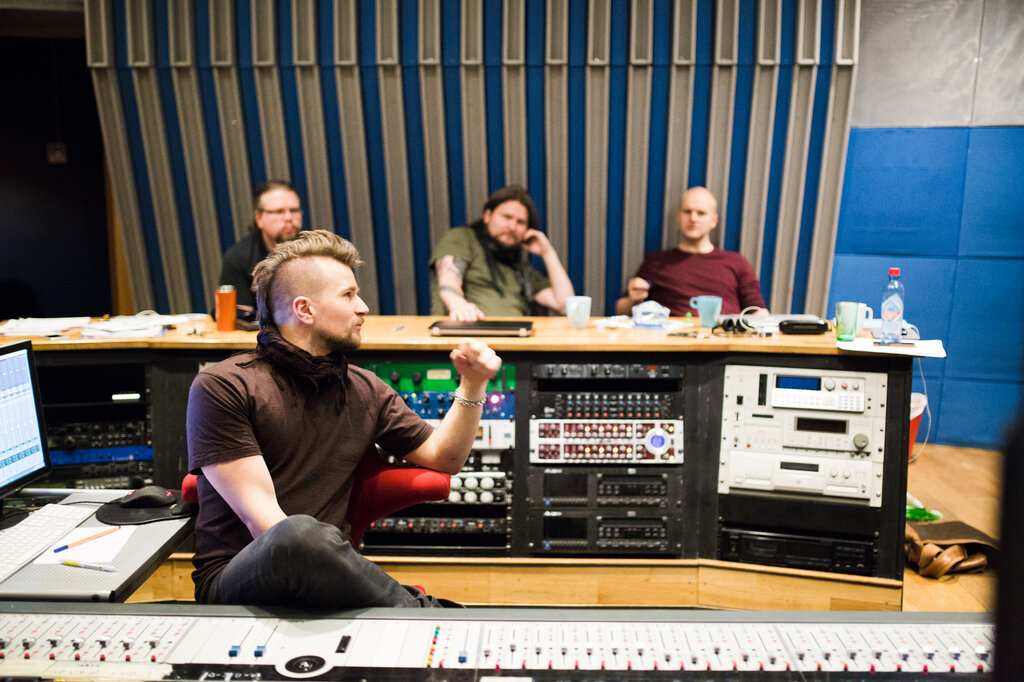
A producer’s role can change depending on the project. Sometimes they're hands-on, helping write melodies or creating beats. Other times, they act more as a project manager, booking studio time and keeping everything on track. Ultimately, their job is to serve the song and the artist's vision.
The Five Stages of Production
Creating a song is a journey with several distinct steps. While the lines can sometimes blur, the process generally follows five key stages. Understanding these stages helps demystify how a simple melody becomes a complete, professional-sounding piece of music.
1. Composing: This is where it all begins. It’s the songwriting phase: writing lyrics, creating melodies, structuring chords, and arranging the basic building blocks of the song.
2. Recording: This is the process of capturing sound. It could be a singer’s voice, a guitar riff, a drum beat, or any other instrument. The goal is to get clean, high-quality recordings of all the parts.
3. Editing: Once everything is recorded, it's time for cleanup. Editing involves correcting mistakes, tightening the timing of performances, tuning vocals, and arranging the best takes into a cohesive whole.
4. Mixing: Mixing is about balance. The producer or a mixing engineer takes all the individual recorded tracks—drums, bass, guitars, vocals—and blends them together. They use tools like volume faders, panning, and effects to make sure every element has its own space and contributes to the overall sound.
5. Mastering: This is the final step. Mastering is the last polish before release. A mastering engineer takes the final mix and makes subtle adjustments to its overall loudness and tonal balance. This ensures the song sounds great on any system, from earbuds to a car stereo, and stands up next to other professional tracks.
The Producer's Toolkit
To navigate these stages, producers rely on a core set of tools and concepts. You'll hear these terms all the time in the world of music production.
DAW
noun
Short for Digital Audio Workstation. This is the main software used to record, edit, mix, and produce music. It's the digital equivalent of a recording studio, all inside a computer.
The DAW is the central hub for any modern producer. It's where all the magic happens.
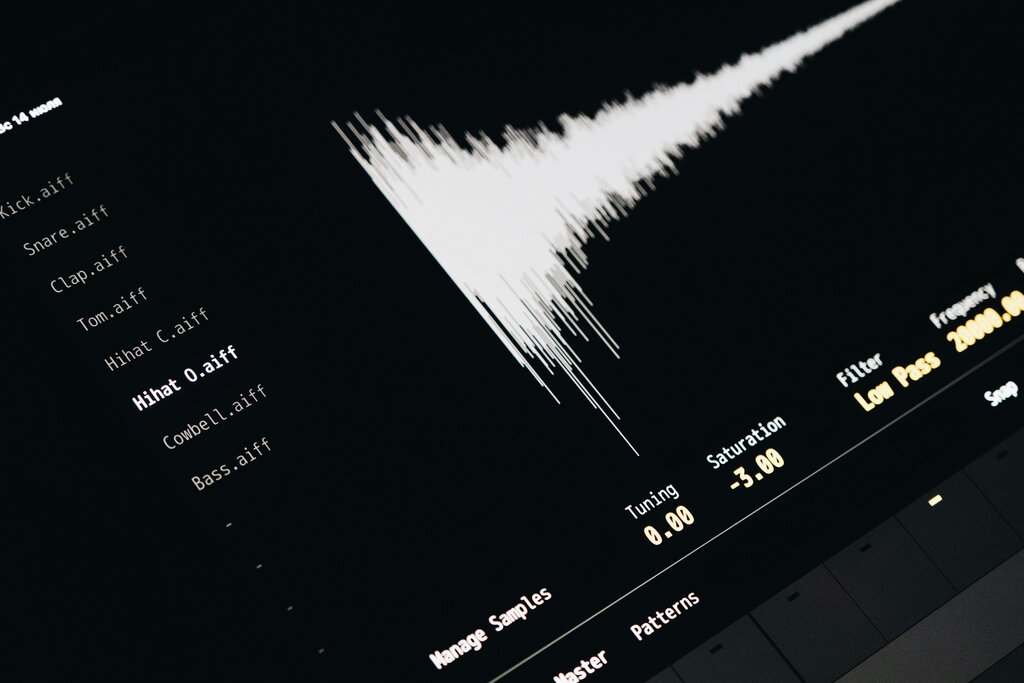
Beyond the DAW, there are a few other key elements producers work with.
MIDI: This stands for Musical Instrument Digital Interface. MIDI isn't audio; it's data. It’s a set of instructions that tells a computer or a synthesizer what notes to play, how long to hold them, and how loud to play them. It’s like digital sheet music that software instruments can read and perform.
Samples & Loops: A sample is a small snippet of recorded audio. It could be a single drum hit, a vocal phrase, or a chord from a piano. A loop is a sample designed to be repeated seamlessly. Producers use samples and loops as building blocks to construct beats and melodies quickly.
Which of the following best describes the primary role of a music producer?
An artist has recorded all their vocal and instrument parts, but some notes are slightly out of tune and the timing isn't perfect. Which stage of production would primarily address these issues?
And that's the big picture. From a simple idea to a finished master, music production is a fascinating blend of art and science that turns sound into music.