History of Vietnam
Hồng Bàng Proto-Statecraft
The Statecraft of Văn Lang
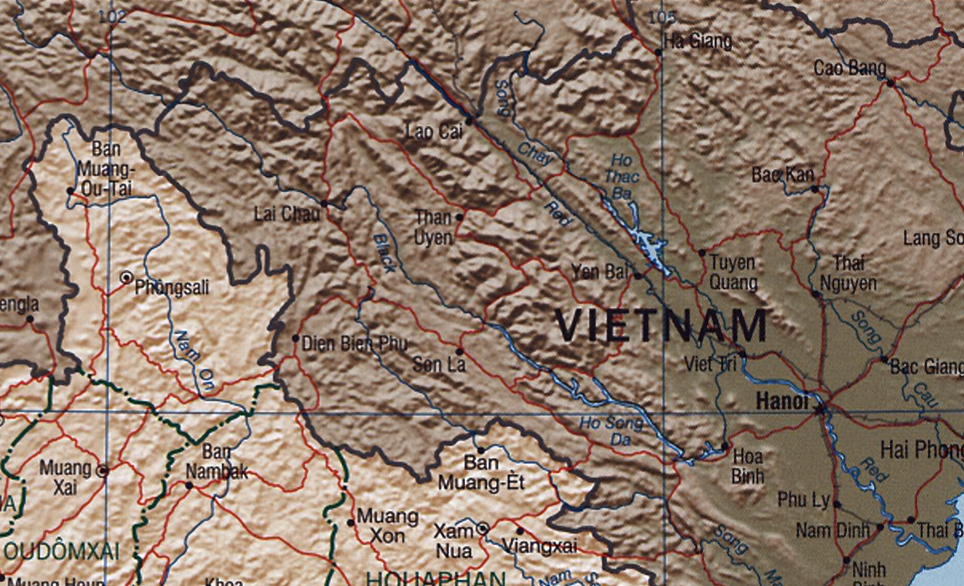
The genesis of the Vietnamese state is inextricably linked to the , which flourished in the Red River Delta from approximately 1000 BCE to 100 CE. This Late Bronze Age/Early Iron Age civilization provided the material and social foundations for the political entity known as Văn Lang. The sophisticated bronze-casting techniques, exemplified by the iconic Heger Type I drums, indicate a society with specialized labor, agricultural surplus, and a distinct social hierarchy. This was not a simple collection of agrarian villages but a proto-urban society capable of mobilizing resources and labor on a significant scale, a prerequisite for state formation.
The rulers of Văn Lang, the legendary Hùng Kings, should be understood not as absolute monarchs in the later imperial sense but as paramount chiefs of the Lạc Việt tribal confederation. Their authority was likely derived from a combination of military prowess, control over vital trade routes, and a central role in communal agricultural rituals. The socio-political structure was hierarchical, with the Hùng King at the apex, followed by subordinate chieftains known as Lạc tướng and Lạc hầu who governed local communities. This system reflects a chiefdom-level society transitioning toward a more centralized state, held together by kinship, tribute, and mutual defense obligations.
An Invented Tradition
The narrative of a continuous, 2,600-year Hồng Bàng dynasty is largely a historiographical construction of the 15th-century Later Lê dynasty. Scholars like Ngô Sĩ Liên, in compiling the (Complete Annals of Đại Việt), retroactively applied a Sinitic dynastic model to Vietnam's prehistory. This was a sophisticated act of cultural politics—an '' designed to assert a historical timeline as ancient and profound as China's, thereby legitimizing Vietnamese sovereignty and resisting Sinicization. By creating a lineage of eighteen Hùng Kings, these historians established a foundational mythos for the Vietnamese nation-state, anchoring its identity in a deep, autonomous past independent of Chinese influence.
From Confederation to Citadel State
The transition from the Lạc Việt confederation to the kingdom of Âu Lạc in the 3rd century BCE marks a critical evolution in Vietnamese statecraft. This shift was precipitated by the conquest of Văn Lang by Thục Phán, leader of the neighboring Âu Việt peoples. Declaring himself An Dương Vương, he unified the two groups and established a new capital at Cổ Loa in modern-day Hanoi. This move signified a definitive break from the semi-mythical, confederated structure of the Hùng Kings.
The Cổ Loa Citadel itself is the most compelling evidence of this new political reality. Its construction—featuring three massive concentric earthen ramparts and a complex system of moats interconnected with the Hoàng River—was a monumental feat of military engineering and labor mobilization. The citadel was far more than a defensive fortress; it was an administrative capital and a powerful symbol of centralized authority. Its strategic location and sophisticated design reflect a polity capable of long-term planning, commanding vast resources, and defending itself against northern expansionist powers like the Qin dynasty. This proto-Vietnamese identity, forged in the Đông Sơn era and consolidated at Cổ Loa, stood in defiant contrast to the encroaching Sinitic world.
Ultimately, the Hồng Bàng era, when stripped of its mythological and historiographical layers, reveals a clear trajectory from a tribal confederation to a centralized, fortified kingdom. This political evolution, driven by the social complexity of the Đông Sơn culture and culminating in the engineering of Cổ Loa, established the foundations of a distinct Vietnamese identity that would endure and adapt through millennia of external pressures.