History of the Samurai
Heian Land Tenure
The Land Problem
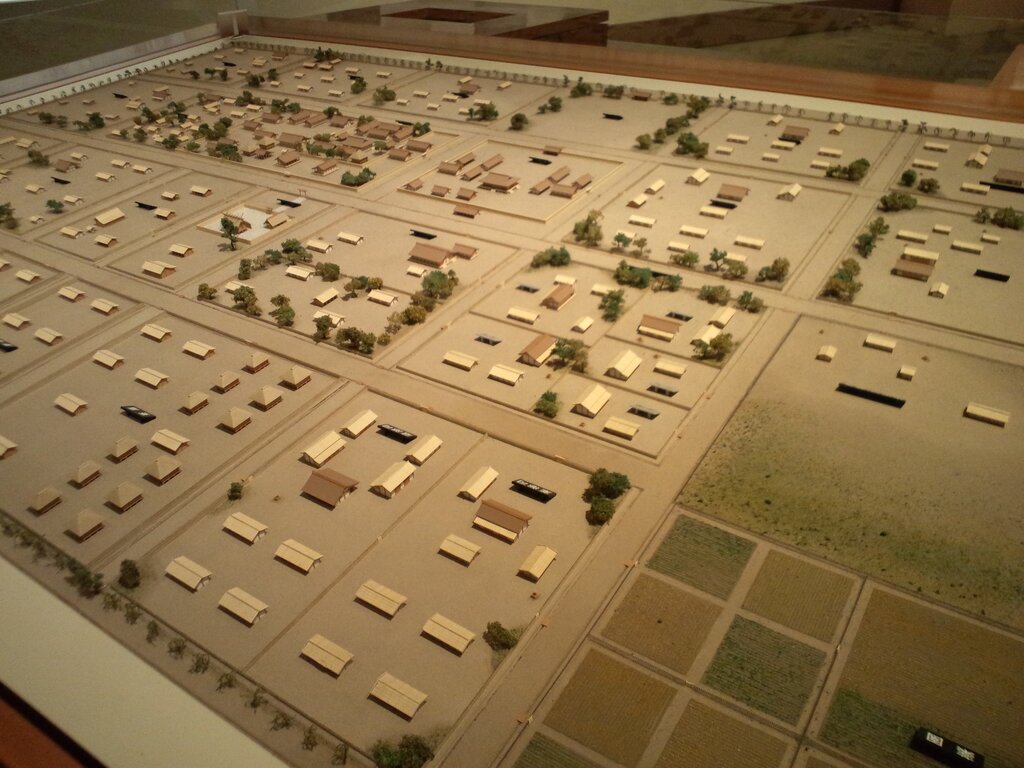
In the 10th century, Japan's imperial court was facing a major issue. The centralized Ritsuryō system, which declared all rice land public property of the emperor, was falling apart. Collecting taxes from distant provinces became inefficient and difficult. Peasants, burdened by heavy taxes and corrupt officials, began abandoning their assigned plots and seeking protection under more powerful figures.
Powerful aristocrats in the capital and influential temples saw an opportunity. They started consolidating land into private, tax-exempt estates called shōen. These estates offered a better deal for cultivators, who would commend their lands to a patron in exchange for a lighter, fixed rent and protection from government tax collectors. The court, weakened and in need of allies, often granted these estates official immunity from taxes and entry by government agents. This created a new landscape of power, one based not on imperial decree, but on private land ownership.
The shift from public, state-controlled land to private, inheritable estates fundamentally reshaped Japanese society, moving power from the central government to provincial landowners.
Rise of the Provincial Warrior
With the rise of shōen, a new problem emerged: security. These valuable estates were tempting targets for bandits, rival landowners, and even rogue officials. The imperial court was too far away and ineffective to police the countryside. Estate holders had to protect their own property. This necessity gave rise to the bushi, or the provincial warrior class.
These early bushi were not a formal caste but rather the influential local families who managed the shōen on behalf of their absentee patrons in the capital. A key figure in this structure was the myōshu, or 'name-bearing cultivator.' These were essentially high-status farmers who held contracts to manage tracts of land, or myō. They were responsible for collecting rent, organizing labor, and, crucially, providing the military muscle to defend the estate. Their authority was rooted directly in the land they controlled.
The Way of the Horse and Bow
The military identity of these provincial elites was directly tied to their status as landholders. The most prestigious and effective military skill of the era was mounted archery, known as (the Way of the Horse and Bow). Unlike massed infantry, which was the domain of conscripted peasants, maintaining a warhorse and training in archery required significant wealth and time. It was a high-status profession.
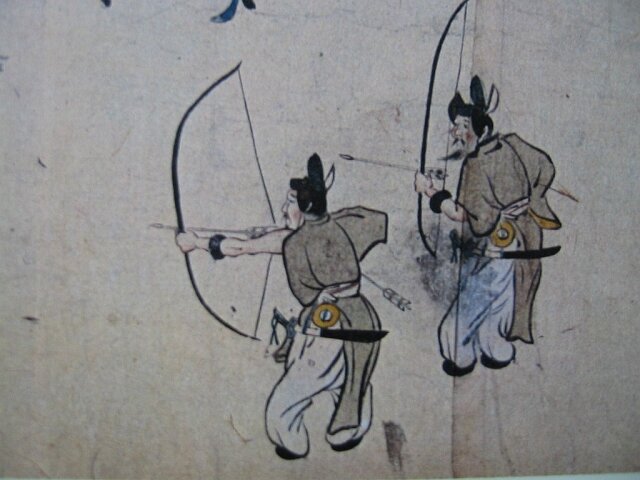
Only the leaders of the bushi, the families with significant land holdings, could afford this expensive form of warfare. Their military service wasn't just for defense; it became a currency. By providing armed warriors to protect the interests of their patrons in the capital, or by serving the emperor directly in putting down rebellions, these provincial families solidified their claims to their land. Military service became a form of legal title, a way of proving and expanding their rights to the very estates they were protecting.
This symbiotic relationship created a powerful new warrior class. The court aristocrats provided the legitimacy and legal protection for the shōen, while the provincial bushi provided the military force that made those estates viable. Over time, the balance of power would shift decisively towards the men with the swords and the land, setting the stage for the rise of the samurai as the de facto rulers of Japan.
What was a major reason for the decline of the centralized Ritsuryō system in 10th-century Japan?
In the context of 10th-century Japan, what was a "shōen"?
This period laid the economic and social foundation for the samurai. Their power wasn't just from their martial skill, but from their deep roots in the provincial land system that was taking shape.