History of the Olympic Games
Ancient Greek Foundations
More Than a Game
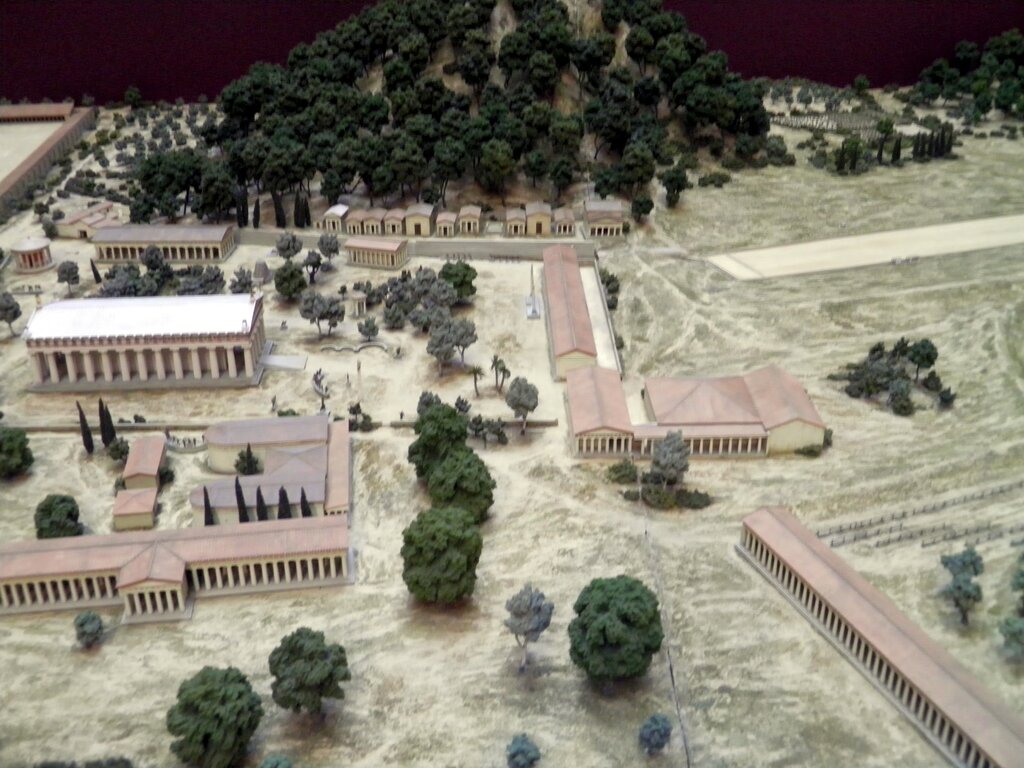
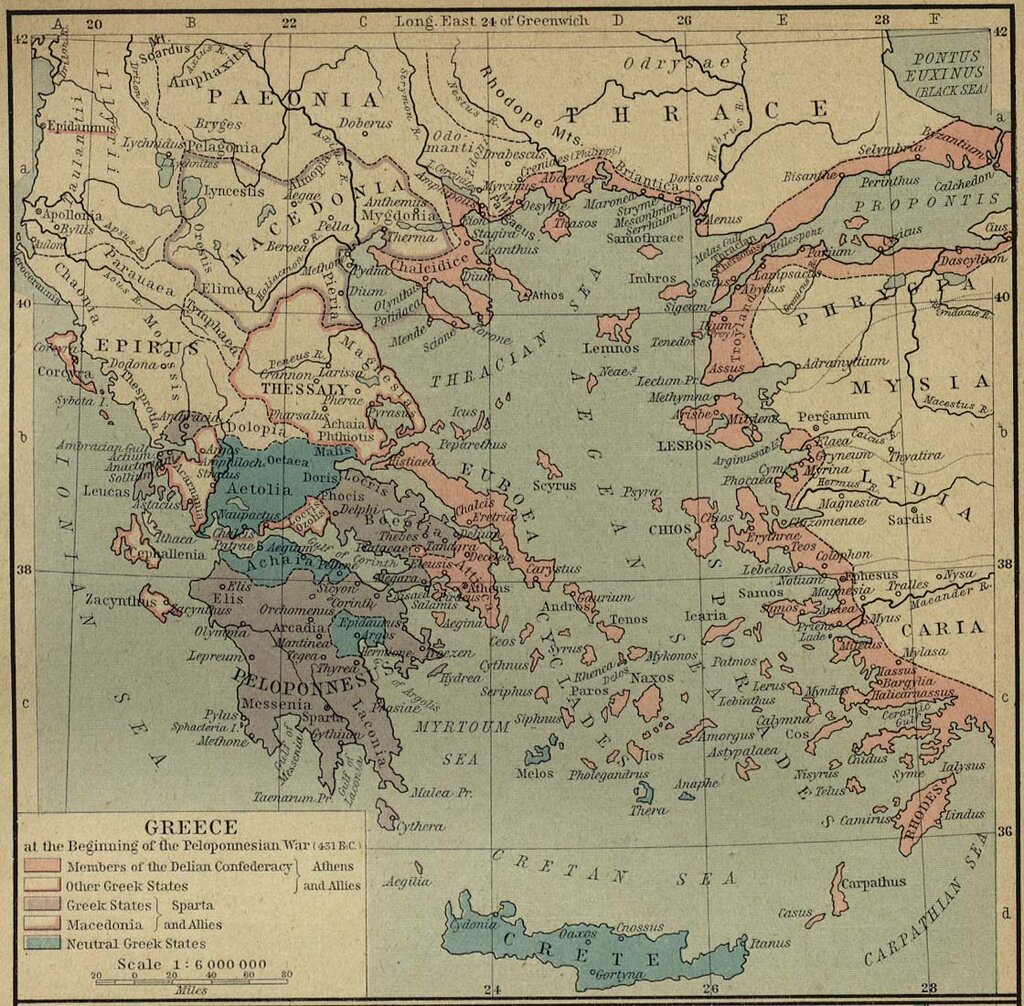
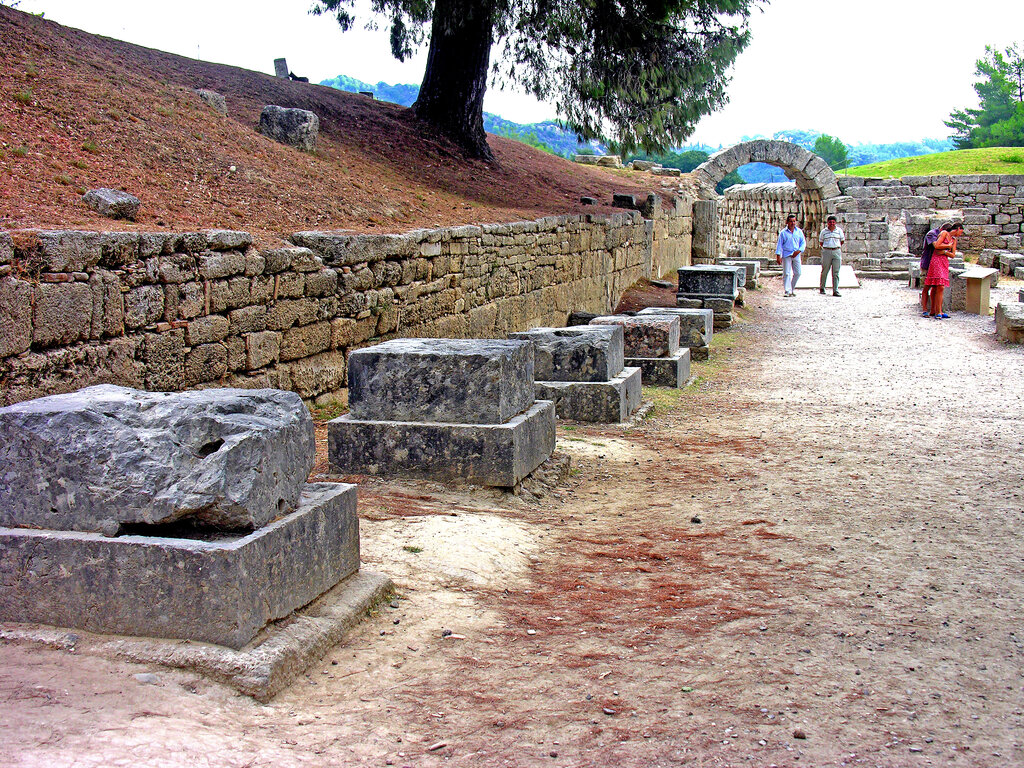
According to ancient scholars, the first ever Olympic Games were held in 776 BCE at the site of Olympia (in the district of Elis, on the Peloponnesian peninsula).
For over a thousand years, the ancient Olympic Games were a cornerstone of Greek culture. Held every four years at the sanctuary of Zeus in Olympia, they were far more than a simple athletic festival. They were a complex institution that blended religion, politics, and sport into a single, powerful event that shaped the Hellenic world.
A Sacred Truce
The Greek world was one of constant conflict between rival city-states, or poleis. Yet, during the Games, a remarkable thing happened. A sacred truce, the , was declared. Heralds would travel across Greece, announcing the truce and inviting athletes and spectators to the festival. This agreement guaranteed safe passage through otherwise hostile territories. It was a masterful piece of diplomacy, allowing a pan-Hellenic event to occur amidst a politically fragmented landscape. The truce didn't end wars, but it created a protected bubble of peace, demonstrating the immense cultural and religious importance of the Games.
The Olympic Truce was a radical idea: a temporary suspension of violence so that sport and culture could flourish.
Geopolitical Showcase
With safe passage secured, the Games transformed into a geopolitical arena. City-states saw athletic victory as an extension of military and political might. Winning an event, especially a prestigious one like the chariot race or the stadion footrace, brought immense honor not just to the athlete, but to their entire polis. It was a form of proxy warfare where conflicts were settled on the track and field instead of the battlefield. A victory was a statement of a city-state's superiority and prosperity.
The rewards for victors were substantial. While the official prize at Olympia was a simple olive wreath, the rewards back home were anything but. Victorious athletes were treated as heroes. They might receive free meals for life, cash prizes, tax exemptions, and prominent seats at public events. They embodied the Greek ideal of —excellence and virtue in action. These rewards incentivized city-states to invest heavily in training and sponsoring their best athletes, turning the Games into a high-stakes competition for prestige.
The entire festival was deeply intertwined with religion. Olympia was first and foremost a sanctuary dedicated to Zeus. The central feature was the massive Temple of Zeus, which housed a colossal, 40-foot-tall statue of the god made of ivory and gold—one of the Seven Wonders of the Ancient World. Competitions were interspersed with sacrifices and religious rituals. An oath was sworn by athletes before a statue of Zeus, promising to compete fairly. The games were, in essence, a religious celebration with athletic contests at its heart.
Roman Influence and Decline
After the Roman conquest of Greece in the 2nd century BCE, the Games began to change. The Romans, who had their own tradition of public spectacles, preserved the Olympics but altered their character. The festival became more professionalized, with athletes competing for monetary prizes rather than just glory. The sacred, pan-Hellenic nature of the Games started to fade as they were integrated into the broader Roman festival circuit.
Ultimately, the rise of Christianity sealed their fate. As the Roman Empire transitioned away from its pagan roots, religious festivals like the Olympics were seen as a threat. In 393 CE, the emperor issued a decree that banned all pagan cults and festivals. After more than a millennium, the fires on the altars of Olympia were extinguished, and the ancient Games came to an end.
Though the ancient Games ceased, their legacy endured, forming the foundation for the modern Olympic movement that would emerge 1,500 years later.
What was the primary purpose of the Ekecheiria, or sacred truce, during the ancient Olympic Games?
While the official prize at Olympia was an olive wreath, how were victorious athletes typically rewarded upon returning to their home city-state (polis)?