History of the Lake of the Ozarks
Origins of the Lake
Harnessing the Osage
Before the Lake of the Ozarks became a sprawling recreational hub, the Osage River was simply a powerful, untamed waterway. In the early 20th century, the idea of damming rivers to generate electricity was gaining momentum across the United States. The Osage, with its significant flow and drop in elevation, was a prime candidate for a hydroelectric project.
The initial vision belonged to a Kansas City developer named Ralph W. Street, who conceived of a dam near Bagnell, Missouri, as early as 1912. His company, however, folded after encountering financial difficulties. The project lay dormant for years until Union Electric Company of St. Louis, now Ameren Missouri, acquired the rights in 1924. They saw the dam not just as a power source for St. Louis but as a major engineering feat that would reshape central Missouri.
Building Bagnell Dam
Construction began on August 6, 1929, a monumental undertaking for the era. The timing was remarkable. Just a few months later, the stock market crash of 1929 plunged the nation into the Great Depression. While construction projects across the country halted, the work at Bagnell Dam continued, providing thousands of much-needed jobs.
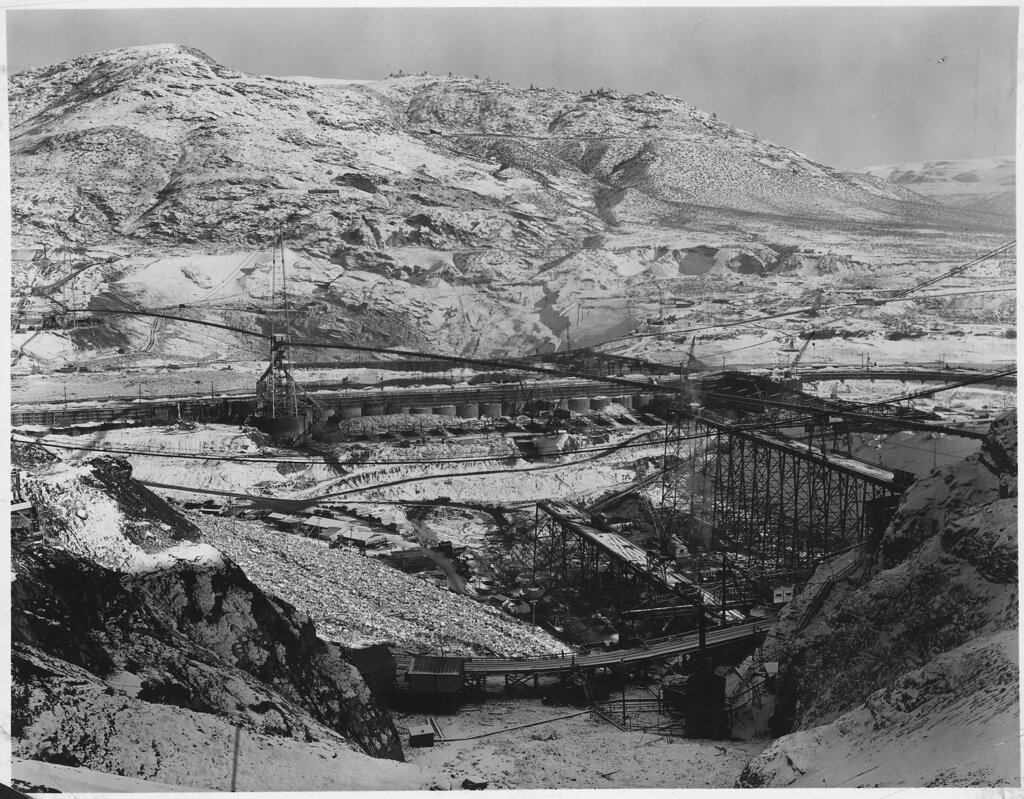
Engineers faced immense challenges. The primary obstacle was controlling the powerful Osage River during construction. To do this, they built a cofferdam, a temporary enclosure that allowed them to pump the riverbed dry and pour the concrete foundation for the main dam. Workers toiled around the clock in three shifts, six days a week, to keep the project on schedule. The scale of the operation was enormous, involving the construction of a temporary city to house workers and their families, complete with stores, a school, and a hospital.
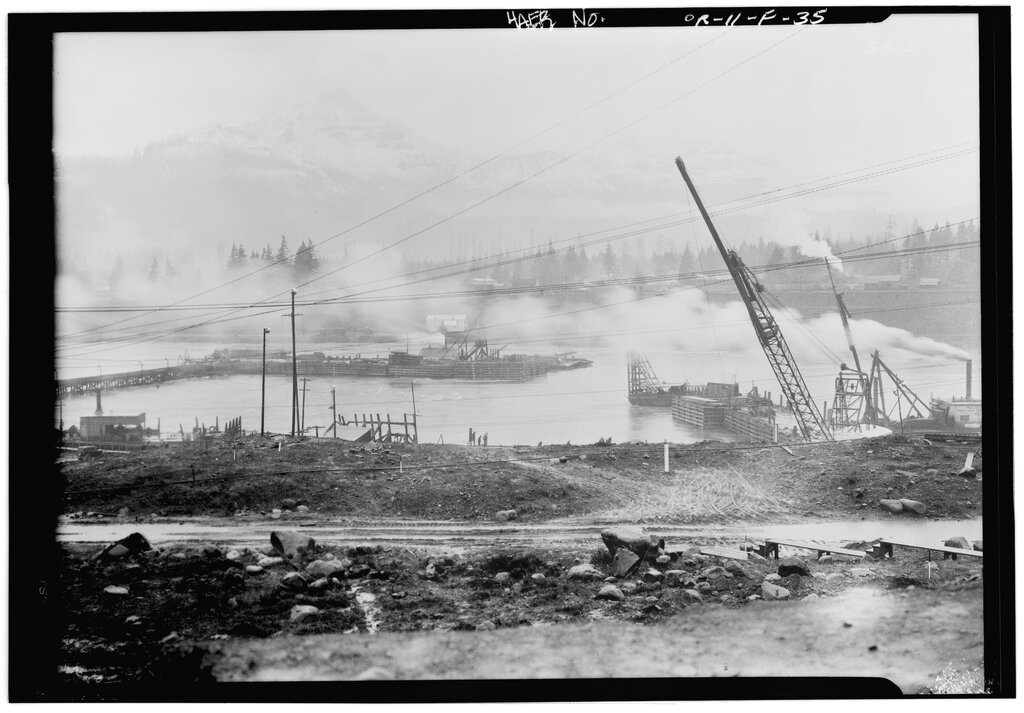
After just two years of relentless work, the dam was complete. On February 2, 1931, the gates were closed, and the Osage River began to back up, slowly filling the valleys and hollows behind the new concrete barrier. The Osage Hydroelectric Power Plant generated its first power later that year.
The project was completed in just 18 months of actual construction time, a remarkable pace for such a large-scale project.
A Lake is Born
The Bagnell Dam is a concrete gravity dam, meaning it relies on its own weight to hold back the force of the water. Its specifications were impressive for the time and remain so today.
| Specification | Measurement |
|---|---|
| Length | 2,543 feet |
| Height | 148 feet |
| Concrete Used | 570,000 cubic yards |
| Spillway Gates | 12 |
| Initial Capacity | 129,000 kilowatts |
The creation of the dam had an immediate and profound impact on the region. As the waters of the newly forming lake rose, they consumed everything in their path. Entire towns, such as Linn Creek and Zebra, were submerged. Miles of roads, dozens of cemeteries, and over 600 farms disappeared beneath the surface. Families who had lived on the land for generations were forced to relocate, selling their property to Union Electric.
An estimated 30,000 acres of farmland were permanently flooded to create the lake.
While the project was hailed as a marvel of modern engineering and a crucial source of power, its creation came at a significant social cost. The landscape and the lives of the people in the Osage River valley were changed forever, paving the way for the region's transformation into a major tourist destination, a story that would unfold in the decades to follow.
Who first conceived of the idea for a dam on the Osage River near Bagnell?
Construction on the Bagnell Dam began in 1929, just months before the stock market crash that started the Great Depression.