History of the Federal Reserve
Early U.S. Banking
A Nation Needs a Bank
After the Revolutionary War, the new United States had a big problem: money. The federal government was deeply in debt, and the country's finances were a mess. Each state had its own banks, which issued their own currency. A dollar from a bank in Virginia might not be accepted in New York, making trade a nightmare.
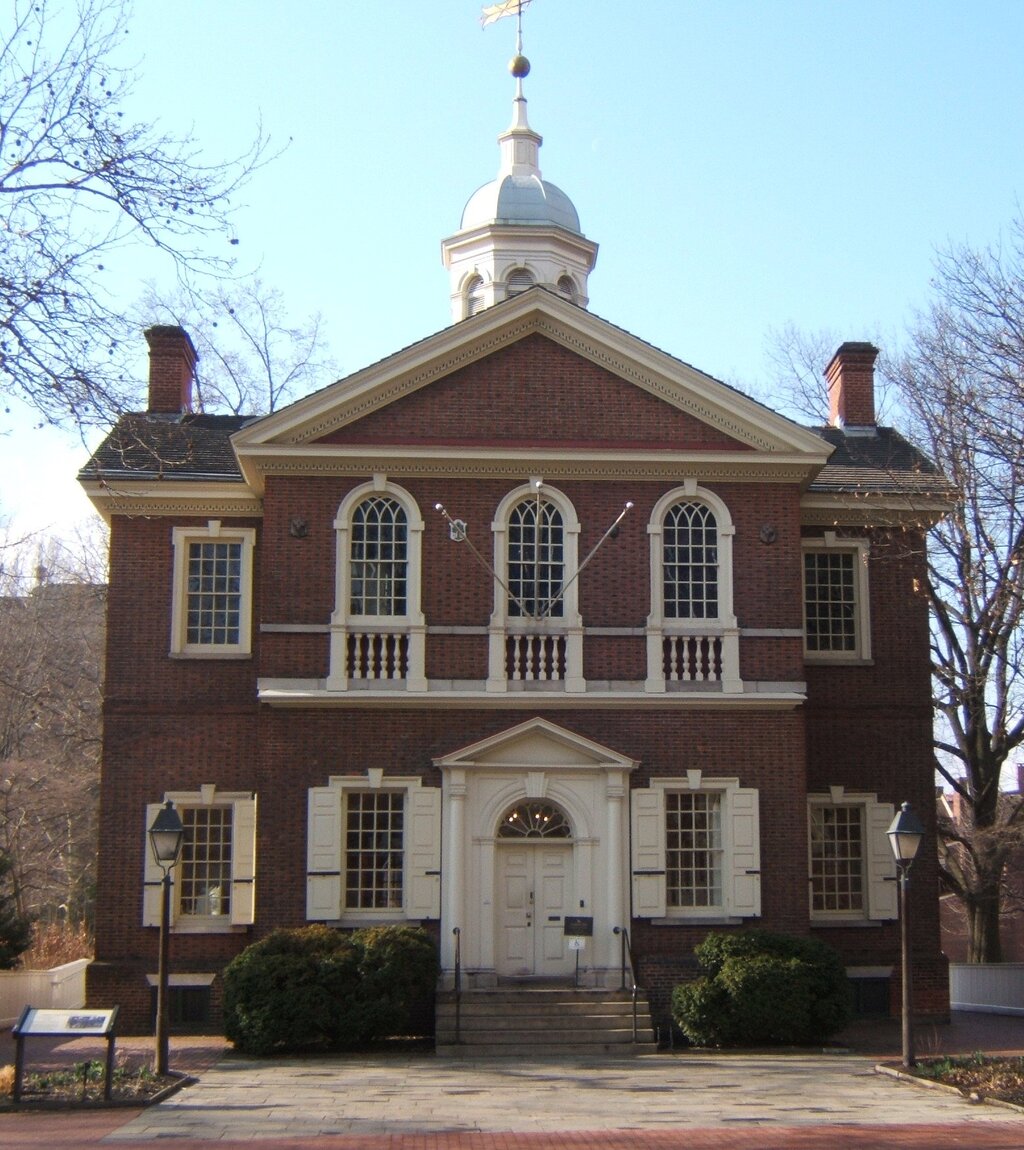
Alexander Hamilton, the first Secretary of the Treasury, had a solution: a national bank. He argued that the United States needed a central financial institution to manage the government's money, issue a stable national currency, and regulate state banks. This proposed bank, called the First Bank of the United States, would be a private corporation, but the federal government would be a major stockholder.
Hamilton's idea sparked a fierce debate. Thomas Jefferson and James Madison led the opposition. They argued that the Constitution didn't give Congress the power to create a bank. They also feared it would give too much power to a small group of wealthy investors in the North, at the expense of farmers and landowners in the South.
This debate was one of the first major tests of constitutional interpretation in the young republic: a strict versus a loose reading of the government's powers.
Despite the opposition, Hamilton prevailed. In 1791, Congress granted the First Bank a twenty-year charter. For two decades, it helped stabilize the economy, manage government debt, and provide a reliable currency. But the political arguments never went away. When its charter came up for renewal in 1811, the bank's opponents had gained enough power to block it. The First Bank of the United States closed its doors.
The Second Bank Rises and Falls
The timing could not have been worse. Without a central bank, financing the War of 1812 was incredibly difficult. State banks, freed from federal oversight, began issuing notes recklessly, leading to high inflation and economic instability. It quickly became clear that the country needed a central financial authority.
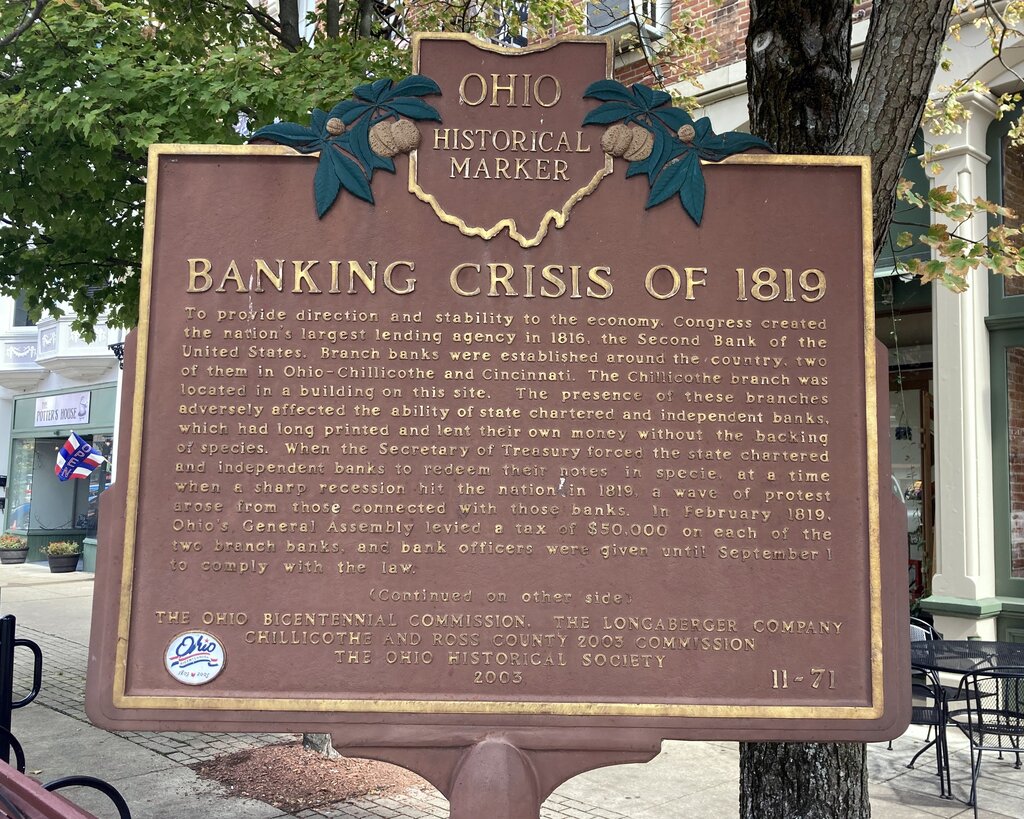
In 1816, Congress chartered the Second Bank of the United States, with a structure and purpose similar to its predecessor. For a time, it restored order to the nation's finances. However, it soon found a powerful enemy in President Andrew Jackson.
Jackson, a populist who championed the common man, viewed the bank as a corrupt institution that favored the wealthy elite. He called it a "monster" that concentrated too much power in the hands of the unelected and unaccountable. He believed it was unconstitutional and harmful to the interests of ordinary Americans.
This conflict, known as the "Bank War," became the central issue of the 1832 presidential election. Jackson's campaign painted the bank as a symbol of aristocratic privilege.
After winning re-election, Jackson moved to destroy the bank. In 1832, he vetoed the bill to renew its charter. He then ordered the withdrawal of all federal funds from the Second Bank, depositing them in various state banks, which became known as "pet banks." This move crippled the Second Bank, and its federal charter expired in 1836.
With the demise of the Second Bank, the United States entered a period known as the Free Banking Era. For nearly 80 years, the country would operate without a central bank, leading to cycles of financial panic and instability. These early experiments with central banking, however, provided crucial lessons that would eventually lead to the creation of a more lasting system.
Let's review the key players and concepts from America's first attempts at central banking.
What was the primary motivation behind Alexander Hamilton's proposal for the First Bank of the United States?
The main constitutional argument made by opponents of the First Bank, such as Thomas Jefferson, was that the Constitution did not explicitly grant Congress the power to create a bank.
The debates over the First and Second Banks raised fundamental questions about federal power, economic control, and the very nature of American democracy. These questions would continue to shape the country's financial system for decades to come.