History of Salt
Ancient Trade Dynamics
White Gold
Before refrigeration, preserving food was a matter of life and death. Meat and fish would spoil quickly, making it impossible to store food for lean times or transport it over long distances. The solution was salt. By drawing out moisture, salt stops the growth of bacteria, allowing food to be kept for months or even years.
This simple property made salt one of the most valuable commodities in the ancient world. It was a strategic resource, essential for feeding armies, sustaining growing cities, and enabling long-distance voyages. Its value was so high that it was often called “white gold,” and control over its production and trade could build empires.
The Salt Roads
The enormous demand for salt drove the creation of some of the world's earliest major trade routes. In ancient Italy, the Romans built the Via Salaria—the Salt Road. This wasn't just a clever name; it was one of Rome's oldest and most important highways, constructed for the specific purpose of transporting salt from the salt flats at the mouth of the Tiber River to the capital and beyond into the Sabine hills.
This infrastructure was a testament to Roman logistical planning. Ensuring a steady supply of salt was as crucial as building aqueducts for water. The road enabled the distribution of this vital preservative, which in turn supported the expansion of the Roman legions and the administration of their vast empire.
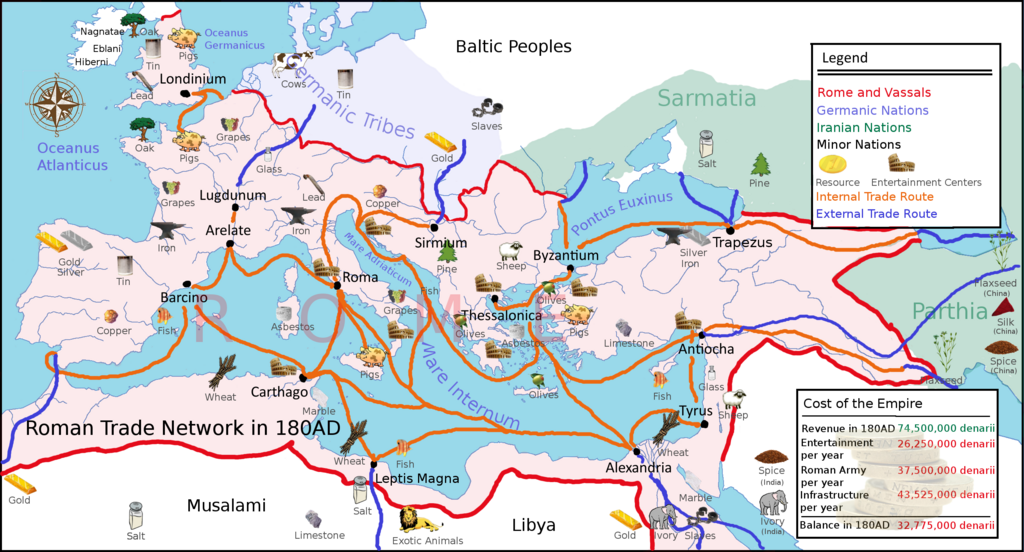
A similar dynamic played out across the vast expanse of the Sahara. For centuries, the network connected North Africa with West Africa. Camel caravans, sometimes numbering in the thousands, braved the harsh desert on journeys that could take months. They carried many goods, but the most crucial exchange was salt for gold.
In the gold-rich regions of West Africa, salt was scarce and desperately needed. Merchants from North African cities would trade slabs of salt mined from desert deposits for an equivalent weight in gold. This wasn't an exaggeration; at times, salt was literally worth its weight in gold.
Salt was exchanged for gold, ivory, and slaves, underpinning the economic and cultural exchanges between North and Sub-Saharan Africa.
This incredibly lucrative trade led to the rise of powerful merchant classes and the growth of legendary cities like Timbuktu, which became a thriving centre of commerce and scholarship on the edge of the desert.
Cities Built on Salt
Some cities owed their very existence to salt. Venice, a city that would one day dominate Mediterranean trade, began its rise by harvesting salt from its lagoon. The Venetians established a monopoly on this essential resource, selling it throughout Italy and Central Europe. The profits from the salt trade provided the initial capital that allowed Venice to build its powerful navy and establish a vast maritime empire.
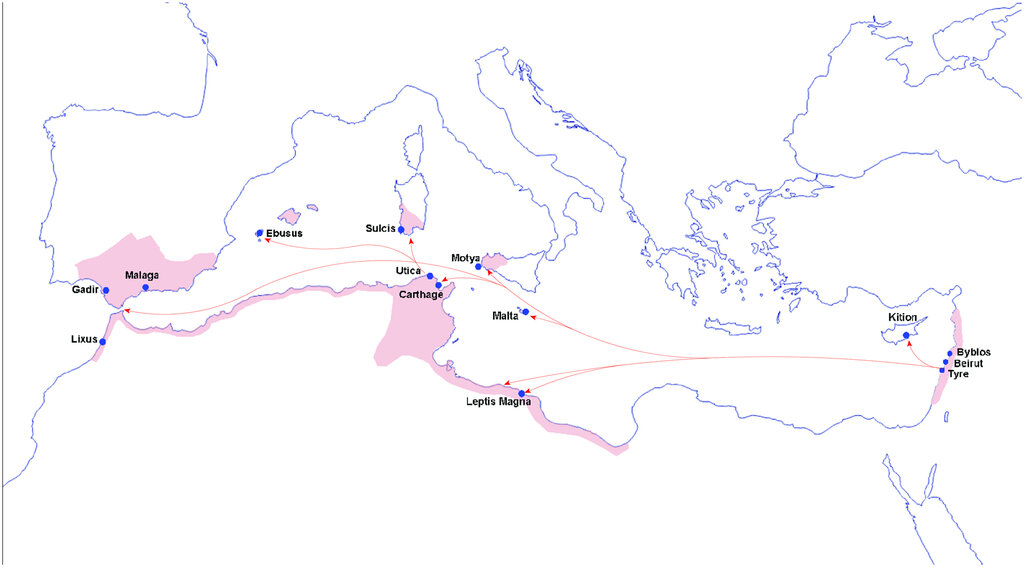
Long before the Romans or Venetians, the became masters of the sea. Originating from the coast of modern-day Lebanon, they were brilliant navigators and traders who established colonies and trading posts all across the Mediterranean. Salt, and the salted fish they could transport thanks to it, was a cornerstone of their commercial empire. It allowed them to trade far from home, creating a network of exchange that connected disparate cultures from North Africa to the Iberian Peninsula.
The importance of salt is even baked into our language. The word "salary" comes from the Latin salarium, which was the money given to Roman soldiers to buy salt. In an age before stable currencies were common, blocks of salt themselves were often used as money in various parts of the world, a direct and tangible form of payment for an essential good.
Ready to test your knowledge on the economics of white gold?
What was the primary reason salt was considered “white gold” in the ancient world?
The Roman road built specifically to transport salt from the Tiber River's mouth to the capital was called the ______.
From ancient roads to the rise of empires, the simple need for salt shaped the course of human history in profound ways, creating networks and driving economies long before the modern era.