History of Salt
Ancient Trade Hubs
The First White Gold
Long before gold or diamonds, the most valuable traded commodity was something far more common: salt. For early agricultural societies, it was the key to survival. While hunter-gatherers obtained sufficient sodium chloride from their meat-rich diet, the shift to farming created a critical dietary need for salt for both humans and their livestock.
More importantly, salt was the ancient world's refrigerator. It allowed communities to preserve meat and fish, creating a stable food supply that could last through lean winters or droughts. This ability to store surplus food was a revolutionary step, freeing people from the constant cycle of hunting and gathering. The ability to control a reliable salt source wasn't just a matter of wealth; it was a matter of life and death, and it became a powerful engine for the growth of civilizations.
Salt, an essential mineral for human survival, has played a profound role in shaping civilizations and economies throughout history.
The Rise of Salt Towns
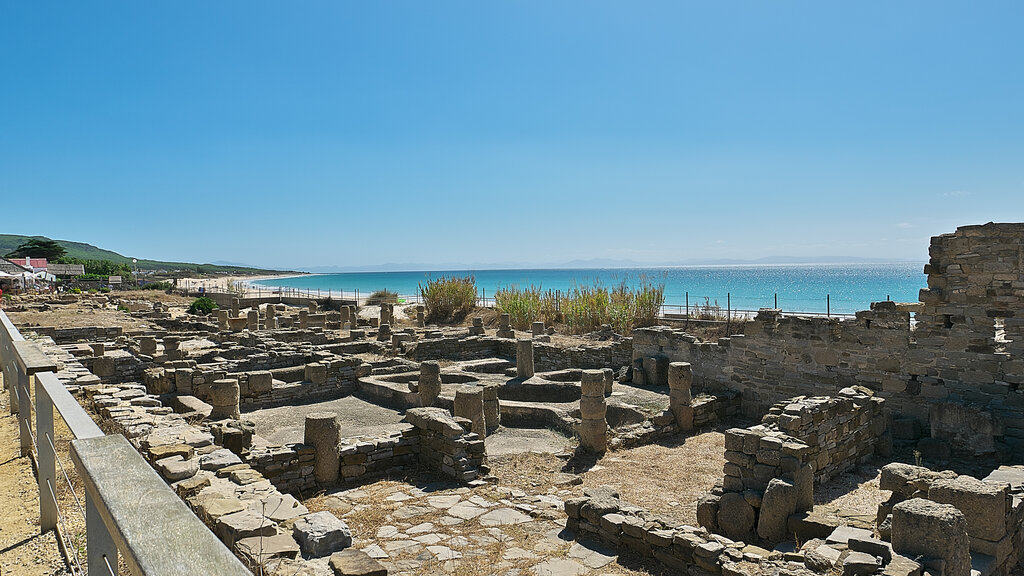
The immense value of salt meant that settlements with access to it could become incredibly prosperous. One of the earliest examples is in modern-day Bulgaria. Thriving around 4700–4200 BCE, it is considered by many archaeologists to be the oldest urban settlement in Europe, predating the pyramids of Egypt and the cities of Mesopotamia.
The inhabitants of Solnitsata didn't mine rock salt. Instead, they developed a sophisticated process of boiling brine from a nearby salt spring in ceramic vessels. This technique allowed them to produce salt bricks on an industrial scale for their time, which they traded across the Balkans for other goods. This trade brought immense wealth to the town.
This prosperity, however, came with a risk. A valuable resource like salt was a prime target for raiders. To protect their 'white gold,' the people of Solnitsata built massive stone walls, some up to three meters thick and six meters high. These fortifications are among the oldest and most massive in prehistoric Europe, a clear testament to how critical their salt production was. The town's very existence revolved around procuring, processing, and protecting this single resource.
Paving the Way with Salt
The Romans, masters of logistics and engineering, understood the strategic importance of salt better than anyone. As their empire grew, so did the demand for salt to supply their citizens and, crucially, their legions. A soldier's pay, or salarium, is believed to be etymologically linked to the word for salt, possibly because it was used to buy salt or was a portion of their wages. This connection gives us the modern word "salary."
To secure this vital resource, the Romans built one of their earliest and most important roads: the or "Salt Road." This ancient highway stretched nearly 242 kilometers from the salt flats at the mouth of the Tiber River on the Adriatic coast all the way to Rome. It was an engineering marvel designed for one primary purpose: the efficient transport of salt to the heart of the empire.
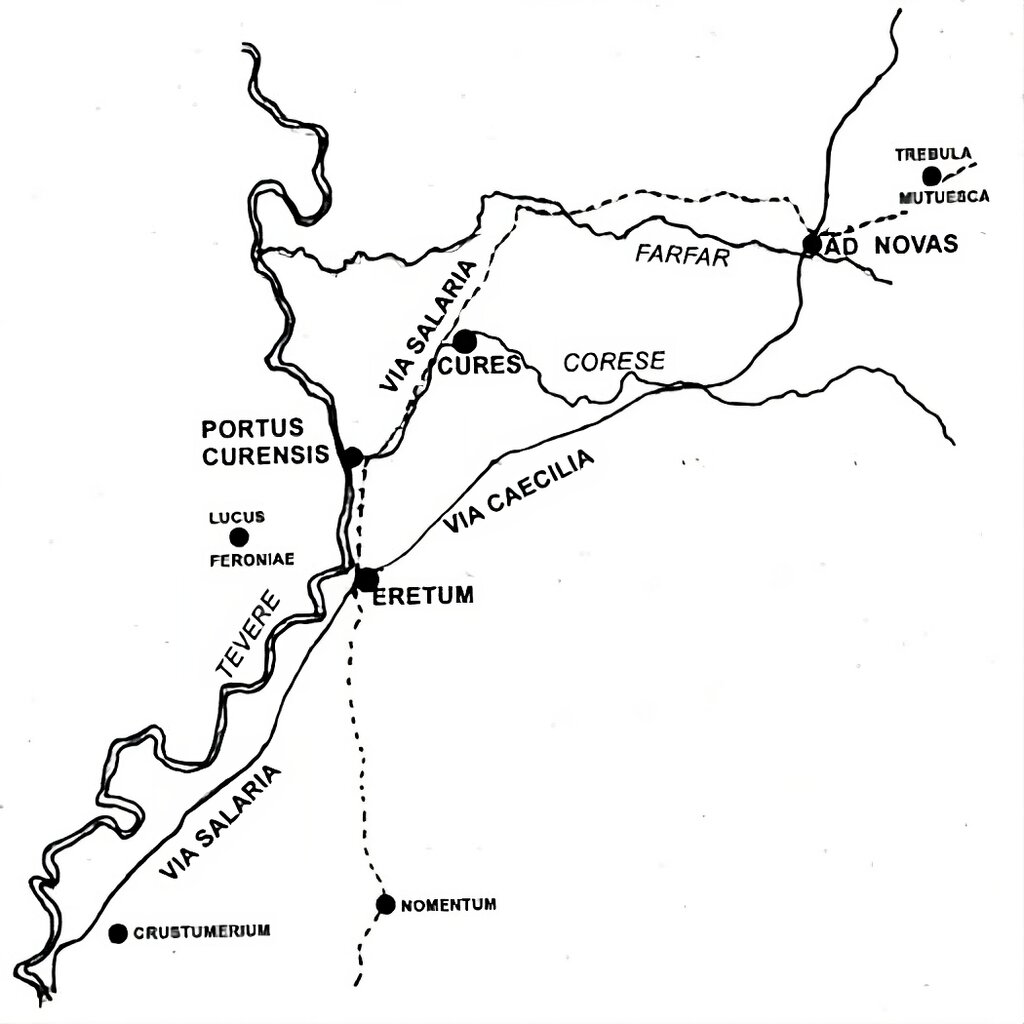
The Via Salaria was more than just a road; it was a symbol of the state's power to control essential resources. By managing the salt supply, Roman leaders could ensure social stability, fuel their military machine, and generate significant revenue. The road itself became a corridor for trade, communication, and military deployment, helping to unify the Italian peninsula under Roman rule. It demonstrates how infrastructure built for a single commodity could have far-reaching effects on a civilization's development.
The stories of Solnitsata and the Via Salaria are not isolated incidents. Around the world, access to salt shaped where people settled, what trade routes flourished, and which empires rose to power. From the salt mines of Hallstatt in Austria to the ancient trade routes across the Sahara, the quest for this simple mineral drove human history in profound ways. It was a catalyst for urbanization, technology, and conflict, proving that sometimes the most ordinary substances have the most extraordinary impact.
Now, let's test your knowledge on how salt shaped the ancient world.
Why did salt become critically important for early agricultural societies, in contrast to hunter-gatherer communities?
What is the primary significance of the ancient settlement of Solnitsata?