History of Opioid Use Disorder and Treatment
Origins of Opioid Use
From Poppy to Panacea
The story of opioids begins with a flower: the opium poppy, Papaver somniferum. As far back as 3400 B.C., the Sumerians in Mesopotamia cultivated this plant, calling it Hul Gil, the “joy plant.” They would harvest the unripe seed pods, which ooze a milky latex. When dried, this substance becomes raw opium.
Knowledge of opium's potent effects spread. The ancient Egyptians used it as a painkiller and sedative, as documented in medical texts like the Ebers Papyrus. From Egypt, its use traveled to Greece and Rome, where prominent physicians like Hippocrates and Galen acknowledged its medicinal properties for treating pain, coughs, and diarrhea. It was a key ingredient in many remedies, seen as a near-panacea for a wide range of ailments.
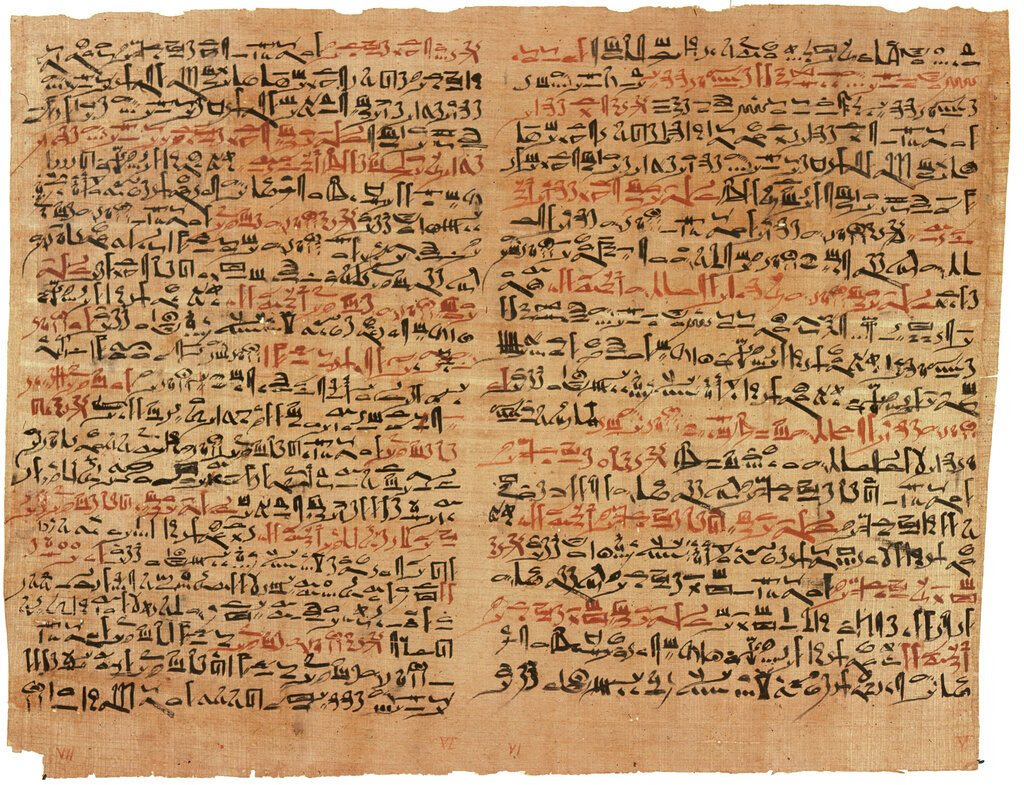
Opium wasn't just medicine; it was also a valuable commodity. As trade networks expanded, so did the reach of the poppy. Arab traders introduced it to India and China, and it became a staple good transported along the Silk Road, connecting the East and West. Its cultural significance grew, finding a place in both medicine cabinets and recreational settings across civilizations.

A Powerful New Compound
For centuries, opium was used in its raw form or in tinctures like laudanum, a mixture of opium and alcohol. The problem was consistency. The potency of raw opium could vary dramatically from one batch to the next, making proper dosage a dangerous guessing game. A dose that was therapeutic one day could be lethal the next.
This changed in the early 19th century. In 1804, a young German pharmacist named Friedrich Sertürner became the first person to isolate the primary active ingredient in opium. He named this powerful alkaloid "morphium" after Morpheus, the Greek god of dreams, due to its tendency to cause sleep. We know it today as morphine.
morphine
noun
The primary active alkaloid in opium, isolated for its potent analgesic (pain-relieving) properties.
The isolation of morphine was a revolution in medicine. For the first time, doctors had a predictable, pure, and incredibly powerful painkiller. Its use became widespread, especially after the invention of the hypodermic syringe in the 1850s, which allowed for direct injection and rapid relief. It was a staple in treating severe pain from injuries, surgery, and chronic illnesses like cancer.
Morphine was hailed as a medical miracle, offering unprecedented relief from suffering. But its very effectiveness concealed a significant danger: a high potential for addiction.
The Double-Edged Sword
As the 19th century progressed, the widespread availability of opioids had profound social consequences. Morphine was used extensively during conflicts like the American Civil War to treat wounded soldiers. Many of these soldiers returned home with what was then called "soldier's disease"—morphine addiction.
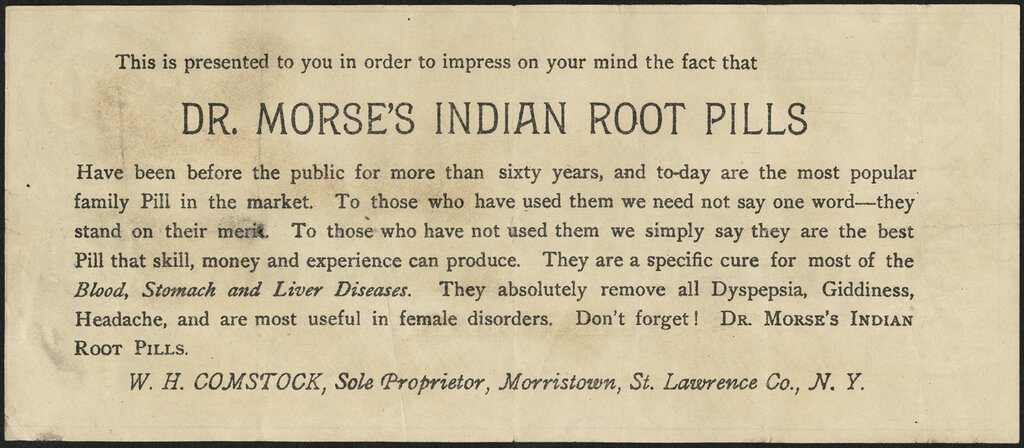
Beyond the battlefield, opium and its derivatives were common ingredients in patent medicines. These over-the-counter remedies promised to cure everything from coughs and colds to anxiety and teething pain in infants. Marketed aggressively and available without a prescription, these mixtures led to unintentional addiction among large segments of the population, particularly women.
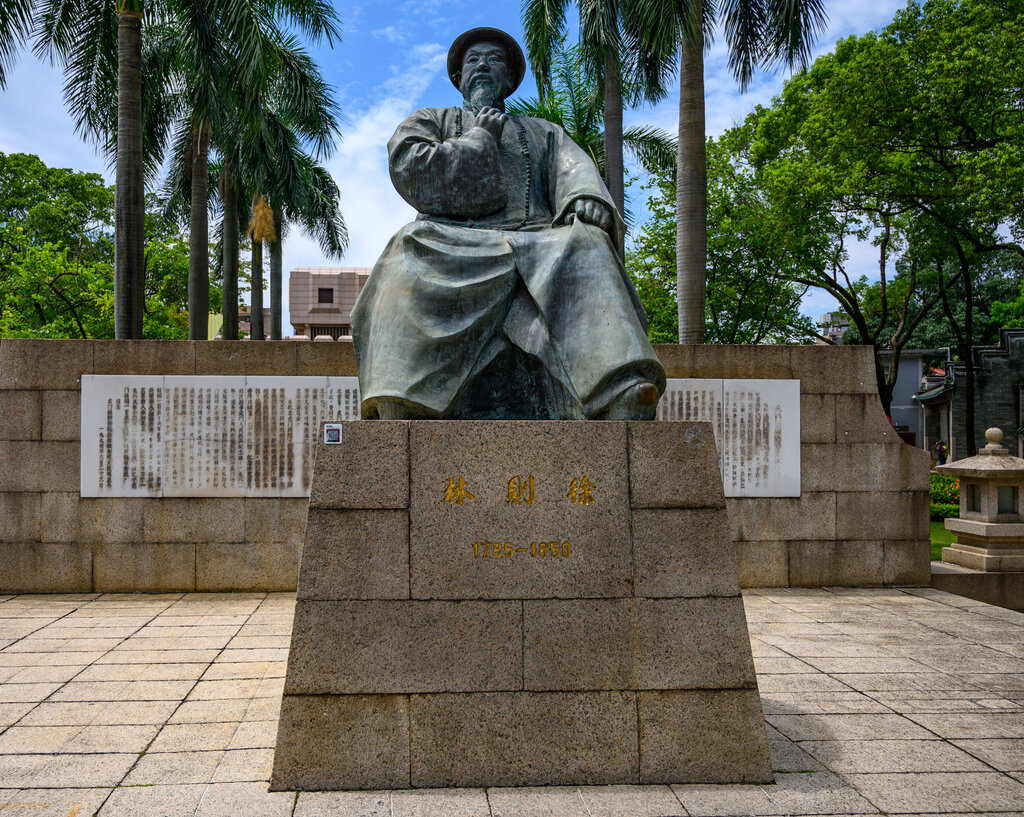
The global trade of opium also took a dark turn. When Britain's trade deficit with China grew, British merchants began illegally trafficking large quantities of Indian-grown opium into China to balance the books. This created a massive addiction problem in China and led to two conflicts known as the Opium Wars in the mid-19th century. These events starkly highlighted the destructive economic and social power of the opium trade.
By the end of the 19th century, the world was grappling with the dual nature of opioids. They were indispensable tools for managing pain, yet their addictive potential was becoming alarmingly clear. This set the stage for a century of scientific innovation and regulatory challenges aimed at harnessing the benefits of opioids while mitigating their profound risks.
Check your understanding of the early history of opioids.
What was the primary problem that made using early forms of opium, such as raw opium or laudanum, medically risky?
Who was the first person to isolate the primary active alkaloid from opium, which he named "morphium"?
The early history of opioids shows a pattern that continues today: a search for effective pain relief balanced against the risk of addiction. From the fields of ancient Mesopotamia to the pharmacies of the 19th century, the story is one of both healing and harm.