History of Millwall FC
Industrial Roots
A Factory Club is Born
In the autumn of 1885, a new football club was formed on the in East London. It wasn't founded by wealthy patrons or public school old boys, but by the workers of J.T. Morton, a canning and preserve factory that had opened on the island in 1870. The company, which produced everything from tinned fish to jams, had a workforce drawn from across Britain, including a significant number of Scots.
These Scottish workers, hailing from the football heartland of Dundee, brought their passion for the game with them. They organised a team, and at a meeting in The Islander pub on Tooke Street, Millwall Rovers was officially born. The club's distinctive blue and white kit was adopted in honour of the Scottish national team, a nod to the influential men from north of the border who got the ball rolling.
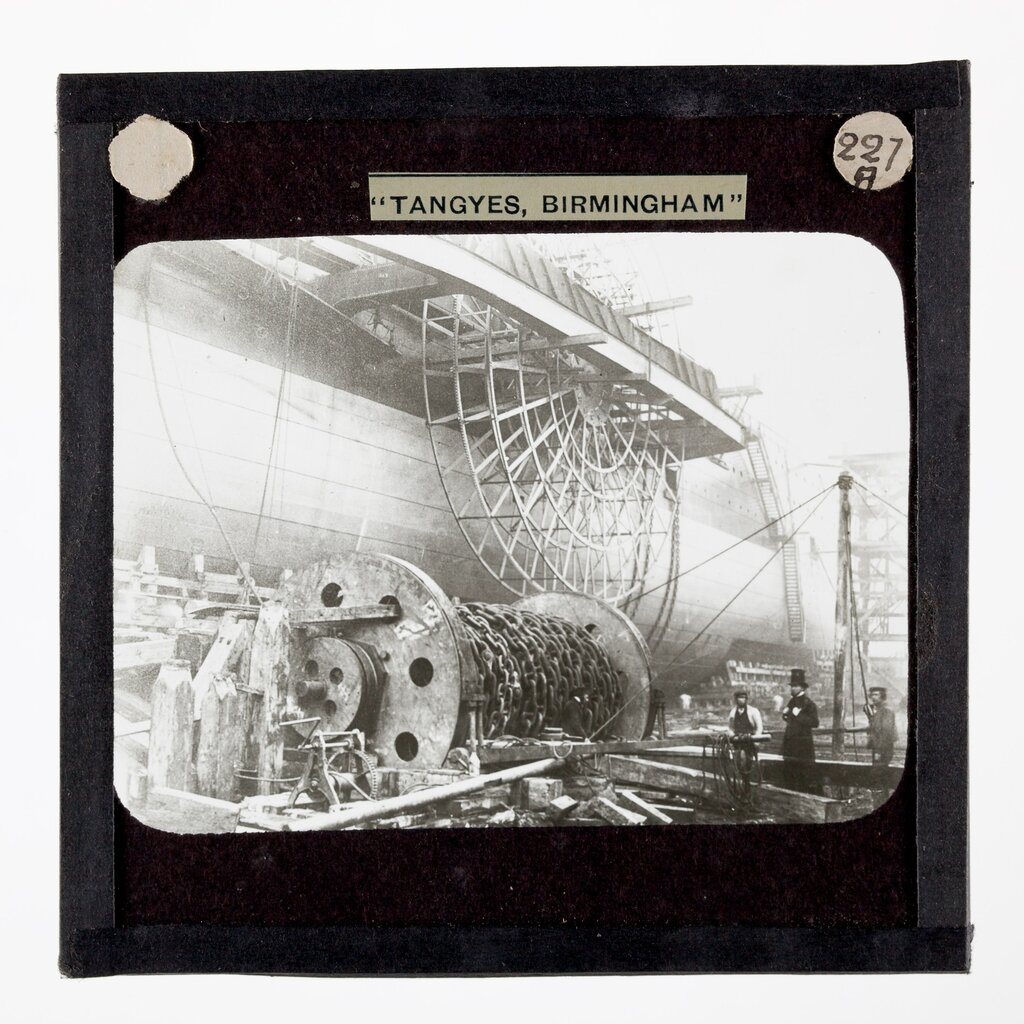
An Island of Industry
The club's identity was forged by its surroundings. The late 19th-century Isle of Dogs was a tough, grimy, and industrious place. It was dominated by the West India and Millwall Docks, a sprawling complex of waterways, warehouses, and cranes handling goods from all over the world. Life revolved around the docks and the factories that served them. This environment created a fiercely loyal and insular community, a spirit that was baked into the football club from its first kick.
Millwall Rovers was a classic '', one of many clubs that emerged from Britain's factories and workshops during this period. Football offered an escape from the hard graft of manual labour and a powerful source of local pride. For the dockers, shipbuilders, and factory hands of Millwall, the team was their own. Their success or failure was a reflection of the community itself.
Nomads and Champions
The club's early years were successful but nomadic. Finding a permanent home on the crowded Isle of Dogs was difficult. The industrial landscape meant open space was at a premium. Between 1885 and 1901, the team played at four different grounds on the island, moving from a patch of wasteland to The Lord Nelson ground, and then to The Athletic Ground. Each move was forced by landlords needing the land for timber yards or other industrial uses, a constant reminder of the club's place in a working dockland.
Despite the logistical challenges, the team was a dominant force. After turning professional and joining the in 1894, Millwall Athletic, as they were now known, quickly became its leading side. They won the league title in their first two seasons, 1894–95 and 1895–96. This success cemented their status as the pride of the island, a formidable team born from the docks and factories of East London.
| Years | Ground Name | Location on Isle of Dogs |
|---|---|---|
| 1885–1886 | Glengall Road | North Greenwich |
| 1886–1890 | The Lord Nelson | East Ferry Road |
| 1890–1901 | The Athletic Ground | East Ferry Road |
| 1901–1910 | North Greenwich | North Greenwich |
The club's time on the Isle of Dogs forged an unbreakable identity. However, their success and growing fanbase created a new problem: they had outgrown their island home. The search for a new, larger ground would soon lead them across the river, starting the next chapter in their story.