History of Brentwood, England
Origins and Early Settlement
A Clearing in the Forest
The story of Brentwood starts in a vast, dense woodland that once covered much of the county of Essex. Unlike many towns that grow organically around a river or a crossroads, Brentwood was a deliberate creation. It was a clearing carved out of the wilderness, a patch of civilization in the middle of the Great Forest of Essex.
The name Brentwood is often cited as being a corruption of Burnt Wood, suggesting that the area of woodland had perhaps already been cleared by a natural fire, or was cleared by fire by the locals to begin building the village.
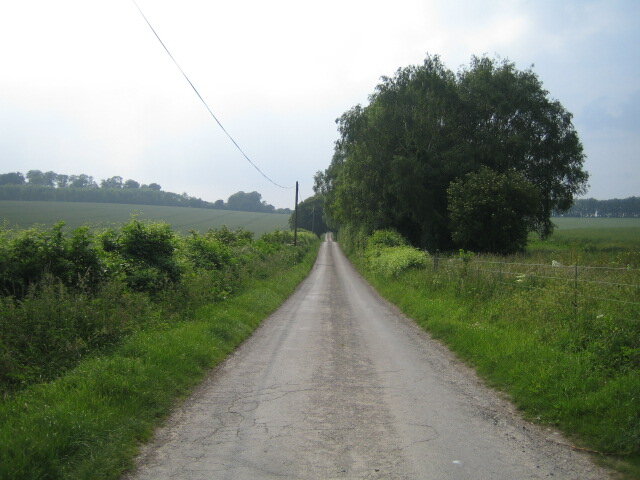
This act of clearing the land by fire was a common practice for creating new settlements. It was a bold statement: here, we will build. This planned settlement sat strategically on the main Roman road connecting London to Colchester, making it a natural place for travelers to pass through.
Ancient Footprints
Long before the town of Brentwood was established, the area was home to earlier peoples. Archaeological finds point to human activity dating back to the Bronze Age. Tools and other artifacts discovered nearby suggest that small communities lived and worked in this forested landscape thousands of years ago. They were the first to leave their mark on the land that would one day become a bustling town.
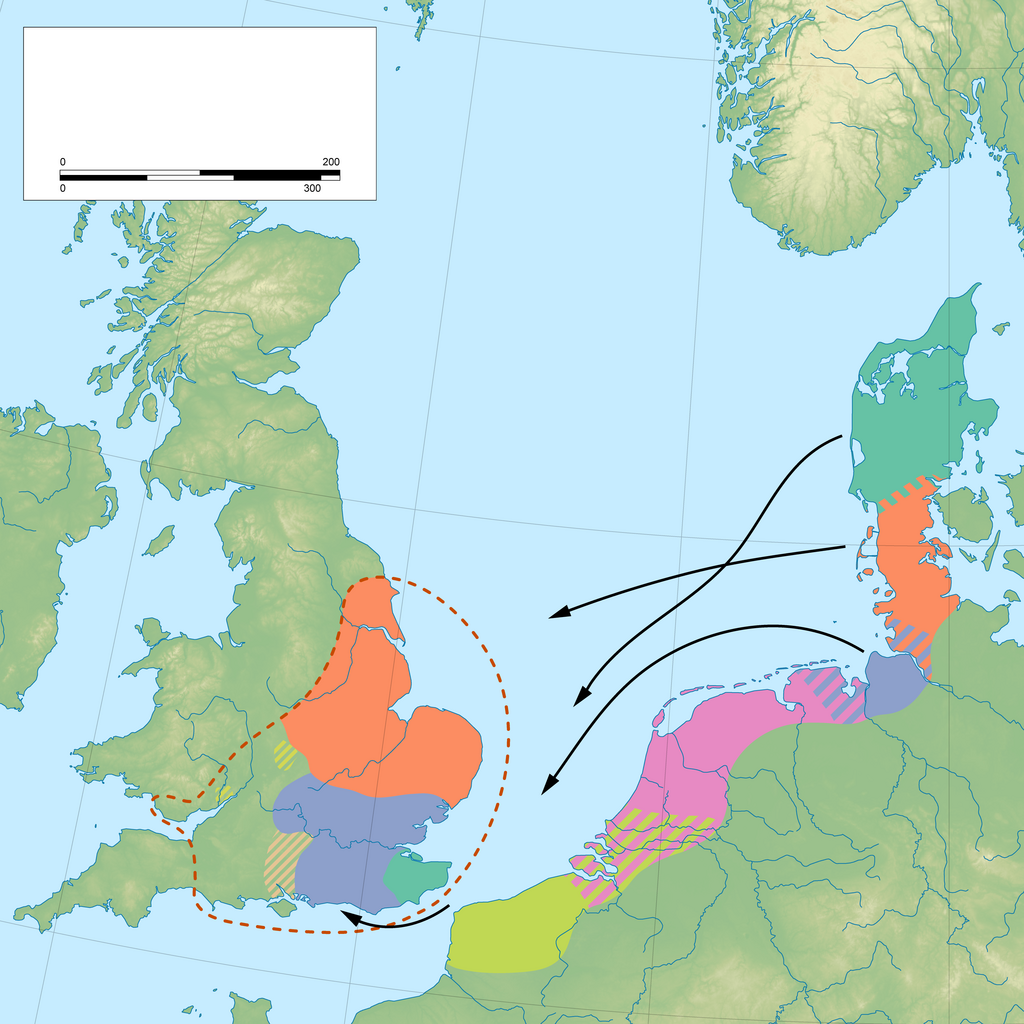
Centuries later, during the Anglo-Saxon period, more permanent settlements began to appear in the wider region. While the exact site of Brentwood remained heavily wooded, nearby Saxon communities started to shape the character of Essex. They established farms and small villages, slowly taming the wild forest and laying the groundwork for future growth.
A Place of Rest
Brentwood's transformation from a simple clearing into a proper town was driven by a major event in English history. In 1170, the Archbishop of Canterbury, Thomas Becket, was murdered in his cathedral. His death sent shockwaves across Europe and he was quickly made a saint.
One of the key events that led to Brentwood's founding, somewhat surprisingly, was the murder of a bishop.
Almost immediately, pilgrims began traveling to Canterbury to visit his shrine. The route from London and East Anglia passed directly through the clearing in the forest. Recognizing the need for a place for these travelers to rest and pray, the Abbot of St. Osyth's Priory, which owned the land, founded a chapel in Brentwood around 1221. It was dedicated to St. Thomas the Martyr, another name for St. Thomas Becket.
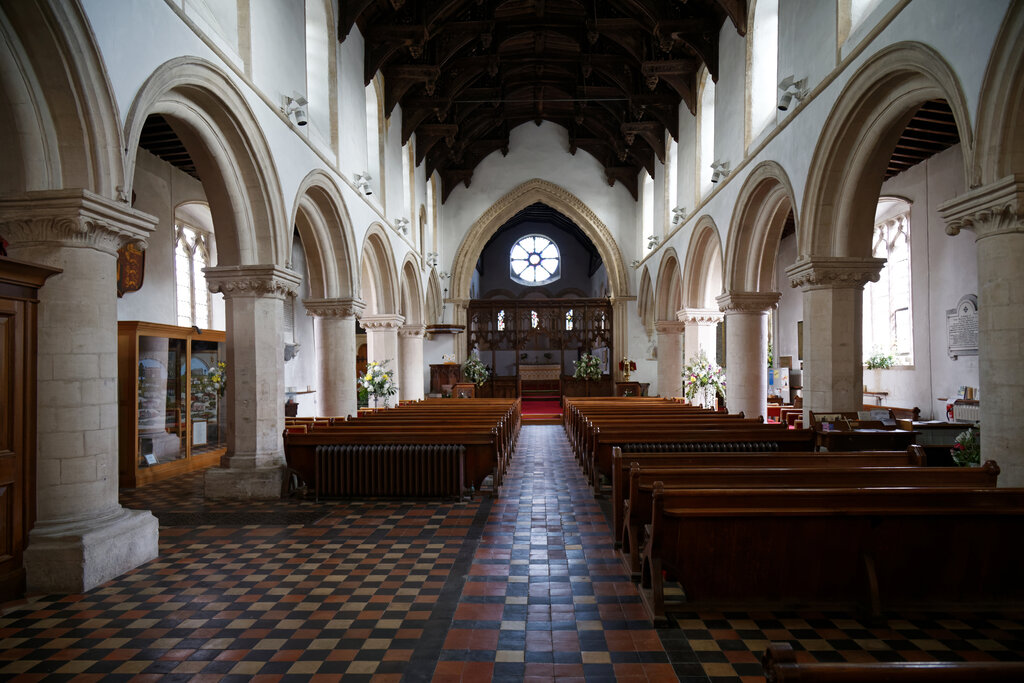
This chapel became the heart of the new settlement. An inn and a few houses sprang up around it to serve the steady stream of pilgrims. Brentwood was no longer just a patch of burnt wood; it was now a vital stopping point, a small but important town with a purpose.
What does the name "Brentwood" most likely refer to in the context of its founding?
What major historical event was the primary catalyst for Brentwood's development from a simple clearing into a town?
From this foundation, Brentwood would continue to grow, shaped by the travelers, traders, and settlers who passed through its streets.