History and Heritage of the Thomas Christians
Middle Eastern Trade Links
A Hub of Global Trade
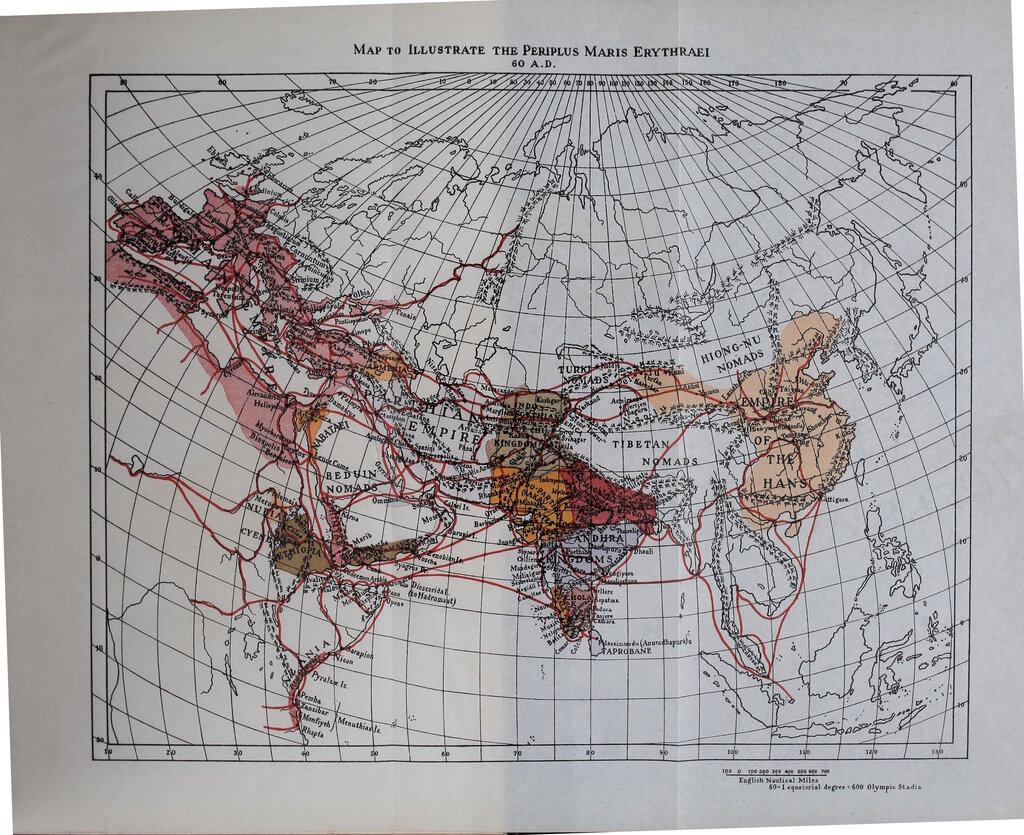
Long before European ships rounded the tip of Africa, the Malabar Coast in modern-day Kerala was a crucial hub in a bustling network of global trade. Its ports, particularly the legendary city of Muziris, were magnets for merchants from across the ancient world. They came seeking spices, especially black pepper, which was as valuable as gold in Roman and Persian markets.
Kerala’s geographical location, the physical attributes of its seaboard, climatic and geographical characteristics, the fertility of its hinterland, seasonal monsoon winds, all combined to impel the momentum of trade in the Indian Ocean with the Kerala coast as a fulcrum.
These sea lanes didn't just carry goods; they were conduits for people, ideas, and faith. For the early Saint Thomas Christians, or Nasranis, the maritime routes to the Persian Gulf were a vital lifeline. This connection provided ecclesiastical support and new waves of believers, fundamentally shaping the community's identity for centuries.
New Arrivals from Persia
One of the most significant events in the community's early history was the arrival of a merchant named Knai Thoma, or Thomas of Cana, in the 4th century. According to tradition, he led a group of 72 families, along with priests and a bishop, from Mesopotamia to the Malabar Coast. Fleeing persecution in the Sasanian Empire, they sought refuge and a new home among their co-religionists in India.
This migration bolstered the existing Nasrani community, bringing with it the customs and liturgical practices of the Church of the East, centred in Persia. The descendants of this group became known as the Knanaya, an endogamous community that maintains a distinct identity within Saint Thomas Christianity to this day.
The arrival of Knai Thoma solidified the Nasrani link to the Persian Church. Aramaic, in its Syriac dialect, became the sacred language of liturgy and scholarship, a tradition that would last for over 1,500 years.
This relationship established a clear ecclesiastical structure. While the community was rooted in India, its spiritual leadership often came from the Persian Church. Bishops were sent by the Catholicos-Patriarch of the East to oversee the Malabar flock. However, day-to-day governance was handled locally by a unique figure.
Archdeacon
noun
The hereditary head of the Saint Thomas Christian community in India. The Archdeacon, known in Malayalam as the Arkkadiyakkon, held immense temporal and ecclesiastical power, acting as the community's administrator and leader in the absence of a resident foreign bishop.
Royal Grants on Copper Plates
The Nasrani merchants weren't just tolerated; they were welcomed and honoured by local rulers. Their expertise in trade made them valuable assets to the Chera dynasty. In recognition of their status, kings granted them special rights and privileges, which were recorded for posterity on copper plates, known as 'Cheppeds'.
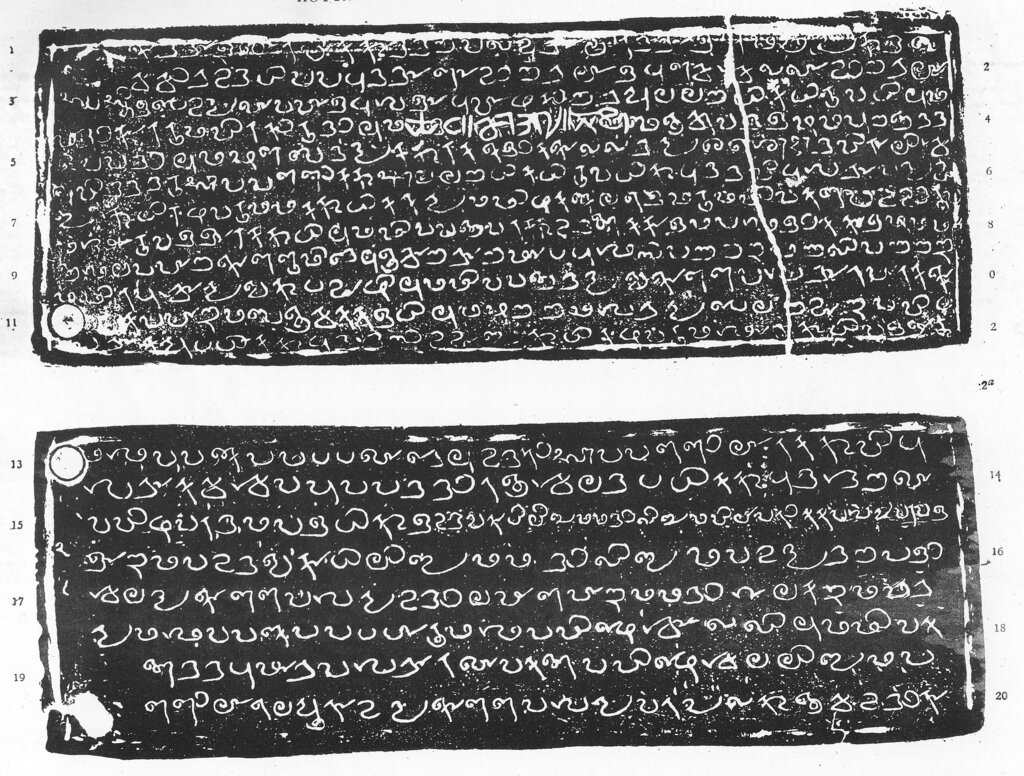
Among the most famous are the Tarisapalli plates, issued in 849 CE in the port city of Quilon (Kollam). These documents grant land to the Tarisa Church and bestow upon the Christian community an array of prestigious rights. These included the authority to collect certain taxes, the use of ceremonial umbrellas and elephants, and exemption from various duties.
These copper plates are more than just ancient legal documents. They are tangible proof of the high social standing and autonomy the Saint Thomas Christians enjoyed. They were not a fringe group but a powerful, integrated part of the diverse society of the Malabar Coast, a status built upon the foundations of faith and international trade.
What was the most sought-after spice from the Malabar Coast in ancient Roman and Persian markets?
The arrival of Knai Thoma and his followers in the 4th century introduced the customs and liturgical practices of which church to the Malabar Coast?
The deep-rooted connections forged through ancient trade routes defined the Saint Thomas Christians, creating a unique synthesis of Indian culture and Middle Eastern faith.