Historical and Literary Dimensions of the Bible
Hebrew Bible Structure
The Architecture of the Tanakh
While many are familiar with the term “Old Testament,” the collection of Hebrew scriptures has its own distinct structure and name: the Tanakh. This isn't just a different name for the same thing; it reflects a unique theological and literary arrangement. The name itself is an acronym, derived from the first letters of its three main sections.
The structure of a text reveals how its compilers intended for it to be read and understood. The Tanakh’s order tells a different story than the Christian Old Testament’s order.
The three parts of the are:
- Torah (Instruction/Law): These are the foundational five books, also known as the Pentateuch: Genesis, Exodus, Leviticus, Numbers, and Deuteronomy. They contain the core laws and origin narratives of the Israelite people.
- Nevi'im (Prophets): This section is further divided into the Former Prophets (Joshua, Judges, Samuel, Kings) and the Latter Prophets (Isaiah, Jeremiah, Ezekiel, and the twelve Minor Prophets). These books narrate Israel’s history through a prophetic lens and record the words of its prophets.
- Ketuvim (Writings): A diverse collection of books, including poetry (Psalms, Proverbs), historical narratives (Ezra-Nehemiah, Chronicles), and philosophical works (Job, Ecclesiastes).
Textual Witnesses
The Hebrew Bible we read today is the result of a long and careful process of transmission. For centuries, the standard version has been the Masoretic Text (MT). This text was meticulously copied and preserved by a group of Jewish scribes known as the Masoretes between the 7th and 10th centuries CE. They not only copied the consonants of the text but also added a system of vowel points and accent marks to ensure proper pronunciation and cantillation (ritual chanting).
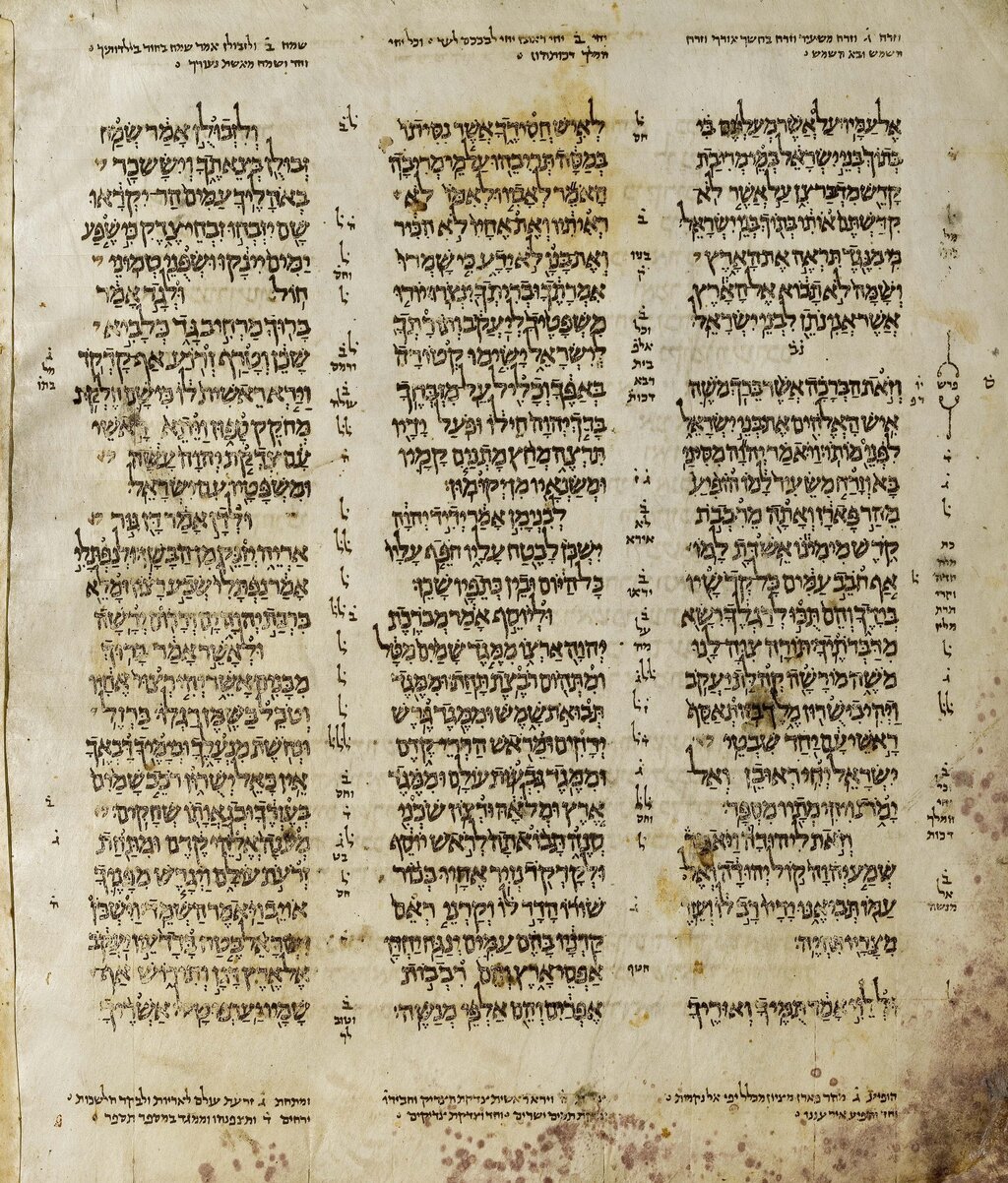
For a long time, the Masoretic Text was the oldest complete version of the Hebrew Bible known to scholars. That changed dramatically in the mid-20th century with the discovery of the Dead Sea Scrolls. These manuscripts, dating from about the 3rd century BCE to the 1st century CE, are a thousand years older than the earliest complete Masoretic manuscripts.
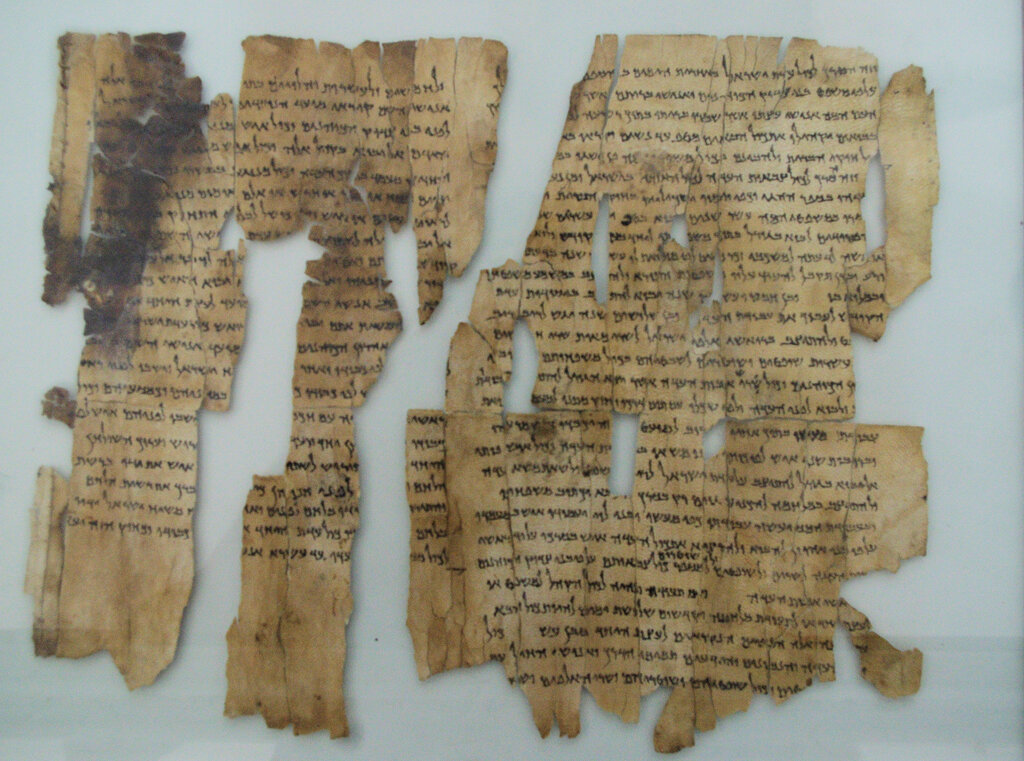
The scrolls have been invaluable for biblical studies. While they largely confirm the accuracy of the Masoretic tradition, they also reveal variations and different textual versions that were in circulation during the Second Temple period. This shows that the biblical text was more fluid in earlier stages than was previously thought.
Translations and Canons
Another crucial witness to the ancient text is the (LXX), a Greek translation of the Hebrew scriptures made in the 3rd and 2nd centuries BCE. It was created for the large Jewish community in Alexandria, Egypt, who spoke Greek as their primary language. The Septuagint is important because it was translated from Hebrew texts that were even older than the Dead Sea Scrolls, offering another window into the pre-Masoretic era.
The existence of these different textual traditions—the Masoretic Text, the precursors found in the Dead Sea Scrolls, and the Hebrew original of the Septuagint—led to different canonical arrangements. The Christian Old Testament organises its books differently from the Tanakh. This isn't arbitrary; it reflects a different theological narrative.
| Tanakh (Hebrew Bible) | Christian Old Testament |
|---|---|
| Torah (Law) | Pentateuch (Law) |
| Genesis–Deuteronomy | Genesis–Deuteronomy |
| Nevi'im (Prophets) | Historical Books |
| Joshua–Kings, Isaiah–Malachi | Joshua–Esther |
| Ketuvim (Writings) | Wisdom/Poetry |
| Psalms, Proverbs, Job, etc. | Job, Psalms, Proverbs, etc. |
| Prophets | |
| Isaiah–Malachi |
The Tanakh ends with Chronicles, which summarises the history of Israel and concludes with the decree of Cyrus allowing the Jews to return to Jerusalem and rebuild the Temple. It ends on a note of return and restoration for the Jewish people.
The Christian Old Testament, however, rearranges the books. It pulls the historical books together and places the prophetic books at the very end. This structure creates a trajectory of promise and prophecy that leads directly into the New Testament, ending with Malachi's prediction of a coming messenger before the “great and dreadful day of the Lord.”
The name "Tanakh" for the Hebrew scriptures is an acronym derived from the first letters of its three main sections. What are these three sections?
What major mid-20th-century archaeological discovery provided manuscripts of the Hebrew Bible that were a thousand years older than the previously known complete versions?
Understanding these different structures is key to appreciating how Jewish and Christian traditions interpret the same foundational texts.