HIPAA Explained
Introduction to HIPAA
The Basics of HIPAA
The Health Insurance Portability and Accountability Act of 1996, better known as HIPAA, is a major U.S. federal law. Its primary goal is to protect sensitive health information from being disclosed without a patient's consent or knowledge. It also aimed to make health insurance more portable for people changing jobs.
HIPAA, or the Health Insurance Portability and Accountability Act, sets the standards for protecting sensitive patient information.
Before HIPAA, the rules for protecting patient privacy varied from state to state, and often, there were no rules at all. This created a confusing and risky environment, especially as the healthcare industry began to shift from paper records to electronic data.
Why Was It Created?
In the early 1990s, two big problems plagued American healthcare. First, people were often afraid to switch jobs because they might lose health insurance coverage for pre-existing conditions. This was known as "job lock." The "Portability" part of HIPAA was designed to address this, making it easier for people to keep their health insurance when they changed or lost their jobs.
Second, as medical records became digitized, there was growing concern about how this electronic information was being used and shared. Who could see your health history? Could it be sold or used against you? The "Accountability" part of HIPAA created national standards to secure patient data and hold organizations accountable for protecting it.
Congress passed the law in 1996 to modernize the flow of healthcare information, stipulate how personally identifiable information maintained by the healthcare industry should be protected, and address the limitations on healthcare insurance coverage.
Who Must Comply?
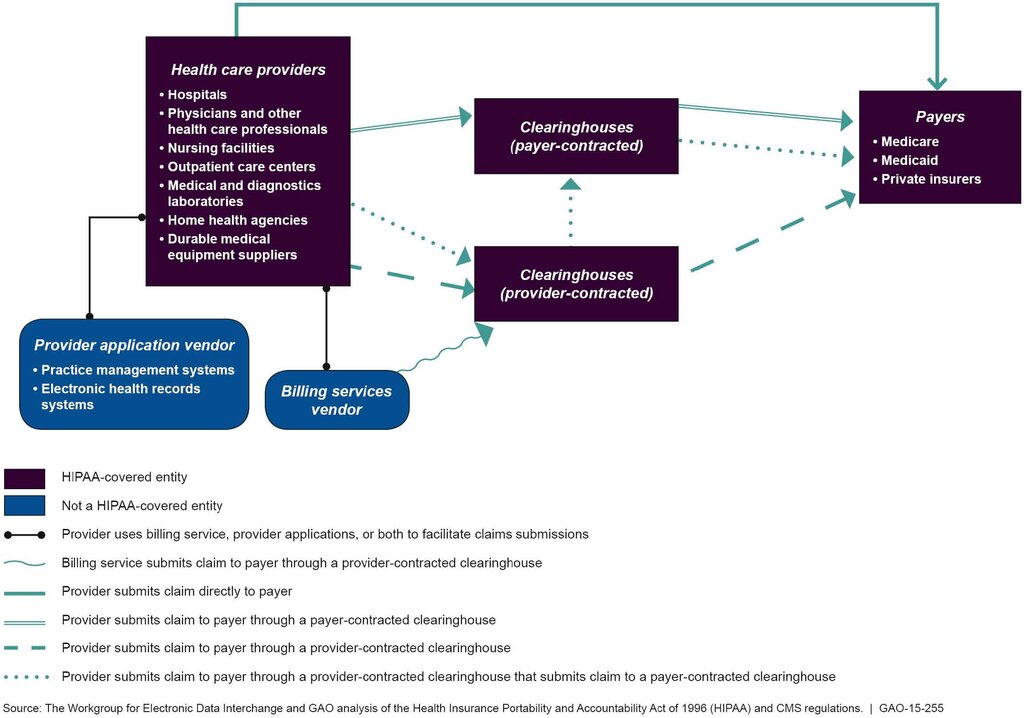
HIPAA's rules don't apply to everyone. They are directed at specific groups that handle health information. These fall into two main categories: Covered Entities and Business Associates.
Covered Entities are the frontline of healthcare. They include:
- Health Care Providers: Doctors, dentists, hospitals, clinics, psychologists, and pharmacies.
- Health Plans: Health insurance companies, HMOs, company health plans, and government programs like Medicare and Medicaid.
- Healthcare Clearinghouses: These are organizations that process health information received from another entity into a standard format. Think of them as translators for healthcare data.
Business Associates are people or organizations that work with or on behalf of a Covered Entity and have access to protected health information (PHI). This could be a billing company that processes claims, an IT contractor, a cloud storage service, or a lawyer providing legal services to a hospital.
Essentially, if an organization creates, receives, maintains, or transmits protected health information to perform a function for a covered entity, it is likely a business associate. HIPAA requires that covered entities have contracts in place with their business associates to ensure that they also protect health information.
HIPAA's significance lies in giving patients rights over their own health information, including the right to get a copy of their records and request corrections.
This framework was a foundational step in building trust in the digital healthcare system. It balances the need for doctors and hospitals to share information to provide care with the patient's fundamental right to privacy.