HIPAA Compliance Essentials
HIPAA Overview
The Ground Rules for Health Information
In 1996, the U.S. government passed a sweeping law called the Health Insurance Portability and Accountability Act, or HIPAA. The name itself hints at its two main goals. The "portability" part was designed to make it easier for people to keep their health insurance when they changed or lost their jobs.
The acronym HIPAA represents the Health Insurance Portability and Accountability Act, which has been a federal law in effect within the United States since 1996.
The "accountability" part aimed to tackle a different problem: the waste and inefficiency in the healthcare system. Before HIPAA, routine tasks like sending a claim to an insurer were a messy, paper-based affair. Every insurance company had its own forms and codes. HIPAA pushed the industry toward standardized electronic transactions to cut down on paperwork and costs. This move to digital, however, created a new challenge: protecting the privacy of all this sensitive electronic health information.

Who Must Follow the Rules?
HIPAA doesn't apply to everyone who might handle health information. The law is specific, targeting what it calls "Covered Entities." If an organization falls into one of these categories, it must comply with HIPAA rules. There are three types.
- Health Plans: This includes health insurance companies, HMOs, company health plans, and government programs like Medicare and Medicaid.
- Health Care Providers: This covers most healthcare providers, from doctors and clinics to psychologists, dentists, chiropractors, and pharmacies. However, it only applies to them if they conduct certain financial and administrative transactions electronically, like billing an insurance company.
- Health Care Clearinghouses: These are organizations that act as middlemen, processing health information they receive from one entity into a standard format for another. For example, a service that takes a hospital's billing data and converts it into the format a specific insurance company requires.
Later, the rules were expanded to include "Business Associates." These are vendors and service providers that work with covered entities and need access to patient information to do their jobs, such as billing companies, IT providers, or data storage services.
Simplifying the System
A major, but often overlooked, part of HIPAA is its Administrative Simplification provisions. The goal was to make the business of healthcare run more smoothly. Before HIPAA, a simple insurance claim could involve piles of paper and endless phone calls because every insurer had its own system.
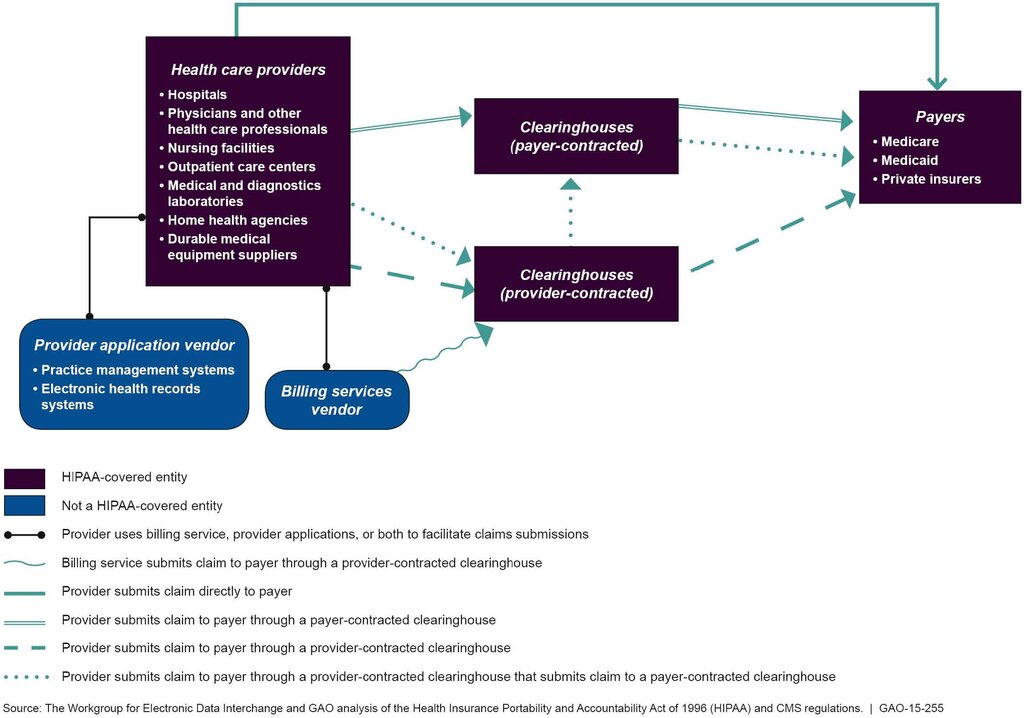
These provisions established national standards for electronic healthcare transactions. This meant creating standard codes and formats for common tasks like submitting claims, checking a patient's eligibility for benefits, and getting authorization for a service. By making everyone speak the same digital language, the healthcare system could become more efficient and less costly.
Essentially, HIPAA was designed to streamline the flow of health information while also building strong safeguards to protect that information from the wrong eyes.
This standardization also set the stage for the more well-known parts of HIPAA: the Privacy and Security Rules. After all, if you're going to move massive amounts of sensitive health data electronically, you need strict rules about who can see it and how it must be protected.
What were the two primary goals of the Health Insurance Portability and Accountability Act (HIPAA) when it was passed in 1996?
HIPAA's rules apply to specific organizations known as "Covered Entities." Which of the following would NOT be considered a Covered Entity under HIPAA?
Understanding these foundational elements of HIPAA is the first step toward appreciating its impact on the U.S. healthcare system.