HIPAA Compliance Certificate
Introduction to HIPAA
What is HIPAA?
HIPAA is a U.S. federal law from 1996. It stands for the Health Insurance Portability and Accountability Act. While it has a long name, its main purpose is straightforward: to protect your sensitive health information.
HIPAA, or the Health Insurance Portability and Accountability Act, sets the standards for protecting sensitive patient information.
Before HIPAA, there were no clear national standards for protecting health data. Your medical records could be shared more freely, leaving personal information vulnerable. This law established the first set of federal protections, giving patients more control over their own health records and creating rules for how healthcare providers, health plans, and other related entities handle that information.
A Look Back
The world of healthcare looked very different in the mid-1990s. The internet was just becoming mainstream, and medical records were slowly transitioning from paper file cabinets to digital databases. This shift created new challenges. How could information be shared efficiently between doctors and insurers without compromising patient privacy? What happened to your health insurance if you lost or changed your job?
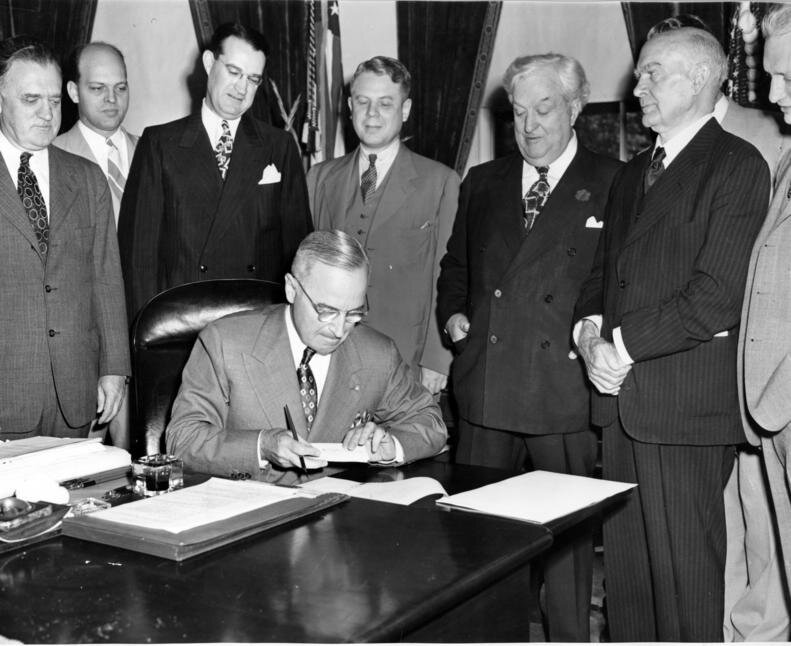
Congress passed HIPAA to address these growing concerns. The law was designed to modernize the flow of healthcare information, set standards for data security, and provide new protections for workers. It was a landmark piece of legislation that aimed to balance efficiency with privacy in an increasingly digital world.
The Main Goals
HIPAA was created with several key objectives in mind. While it's most famous for privacy, its scope is much broader.
One of the biggest goals was health insurance portability. Before HIPAA, changing jobs could mean losing your health coverage, especially if you had a pre-existing condition. HIPAA made it easier for people to keep their insurance when they moved from one job to another, ensuring continuity of care.
Another major objective was to combat waste, fraud, and abuse. By standardizing electronic health records and claims, the law made it harder to submit fraudulent bills and easier for authorities to track financial transactions within the healthcare system.
Finally, HIPAA aimed to simplify the administration of health insurance. Instead of every insurance company and hospital having its own system for handling data, HIPAA created a national standard. This reduced paperwork and streamlined the process of sharing information, saving time and money for everyone involved. The law also included provisions to promote medical savings accounts and improve access to long-term care.
HIPAA is more than just a privacy rule. It's a comprehensive law designed to improve the efficiency and security of the entire U.S. healthcare system.
Understanding these foundational goals is the first step. They provide the context for the specific rules and regulations that healthcare professionals must follow every day.