HIPAA Basics for Privacy
Introduction to HIPAA
The Story Behind HIPAA
Before 1996, the world of health information was a bit like the Wild West. Your medical records could be passed around with few rules, and changing jobs often meant you could lose your health insurance coverage, especially if you had a pre-existing condition. To fix these problems, the U.S. Congress passed a landmark law.
The acronym HIPAA represents the Health Insurance Portability and Accountability Act, which has been a federal law in effect within the United States since 1996.
Let's break down that name. The "Portability" part was the original focus. It made it easier for people to keep their health insurance when they switched or lost their jobs. The "Accountability" part is what HIPAA is famous for today. It established the first national standards to protect the privacy and security of sensitive patient health information.
Who Follows the Rules?
HIPAA doesn't apply to everyone. The rules are directed at specific groups that handle your health records. These groups are called Covered Entities.
There are three main types:
- Health Plans: This includes health insurance companies, HMOs, company health plans, and government programs like Medicare and Medicaid.
- Health Care Providers: This is the most familiar group. It includes doctors, clinics, hospitals, dentists, psychologists, chiropractors, and pharmacies. They're covered if they transmit any health information electronically (which almost all do).
- Health Care Clearinghouses: These are organizations that process health information they receive from another entity. For example, a service that takes a non-standard medical bill from a doctor's office and converts it into a standard format for an insurance company.
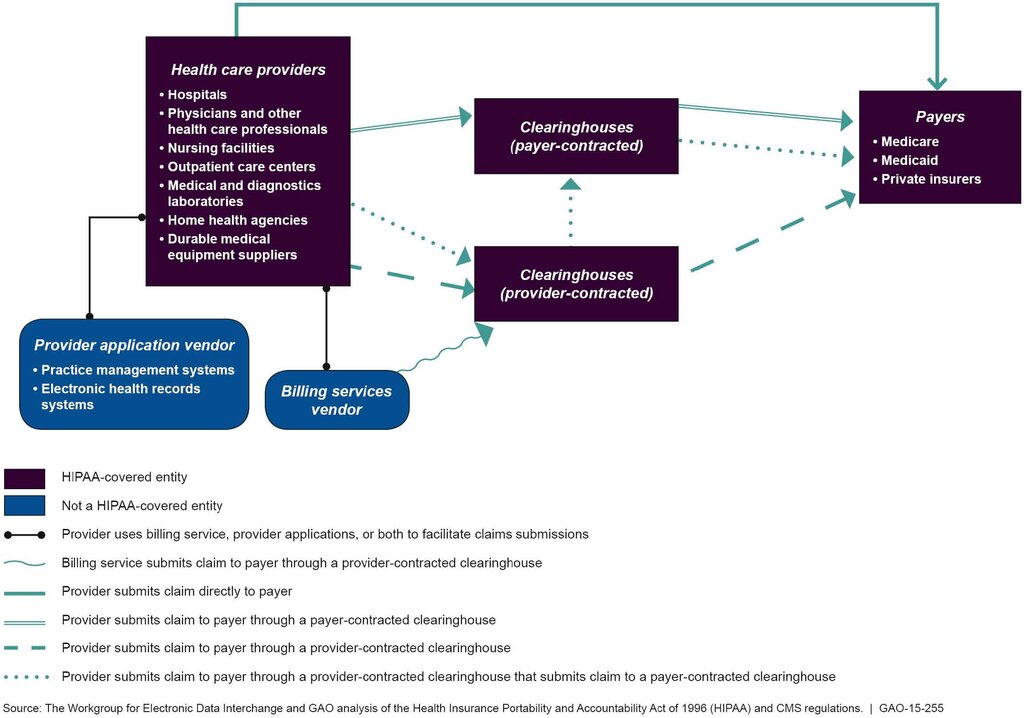
But the chain of responsibility doesn't stop there. Many covered entities hire outside help for their operations. A hospital might use a third-party company for its billing or an IT firm to manage its electronic records. These third-party vendors are known as Business Associates.
Business Associate
noun
A person or entity that performs certain functions or activities that involve the use or disclosure of protected health information on behalf of, or provides services to, a covered entity.
Because they handle sensitive data, business associates are also required to comply with HIPAA's security and privacy rules. This ensures that your information remains protected no matter who is handling it.
HIPAA's Impact
At its core, HIPAA gives patients more control over their own health information. It sets boundaries on the use and release of health records and establishes safeguards that covered entities must implement to protect this data.
Think about the last time you visited a new doctor. You likely signed a form detailing their privacy practices and how your information would be used. That's a direct result of HIPAA. The law empowers you by giving you rights over your own information, including the right to examine and obtain a copy of your health records and request corrections.
HIPAA's goal is to strike a balance: ensuring patient information is protected while allowing for the flow of health information needed to provide high-quality care.
This framework builds trust between patients and providers. Knowing your most personal information is legally protected encourages open and honest communication, which is essential for effective healthcare.
What was the original primary focus of the "Portability" aspect of the Health Insurance Portability and Accountability Act (HIPAA)?
Under HIPAA, which of the following would be classified as a "Covered Entity"?