Hip Training for Elite Running
Hip biomechanics
The Hip's Central Role
The hip is the powerhouse of a runner's stride. It’s not just a simple hinge; it's a complex ball-and-socket joint that connects your legs to your torso, acting as the central pivot for every step you take. Understanding how it works is key to running more efficiently and staying injury-free.
The hip joint itself is where the head of the femur (the thigh bone) fits into the acetabulum (a socket in your pelvis). This structure allows for a wide range of motion: forward, backward, side-to-side, and rotational. But the real magic comes from the network of muscles, ligaments, and tendons that control this movement.
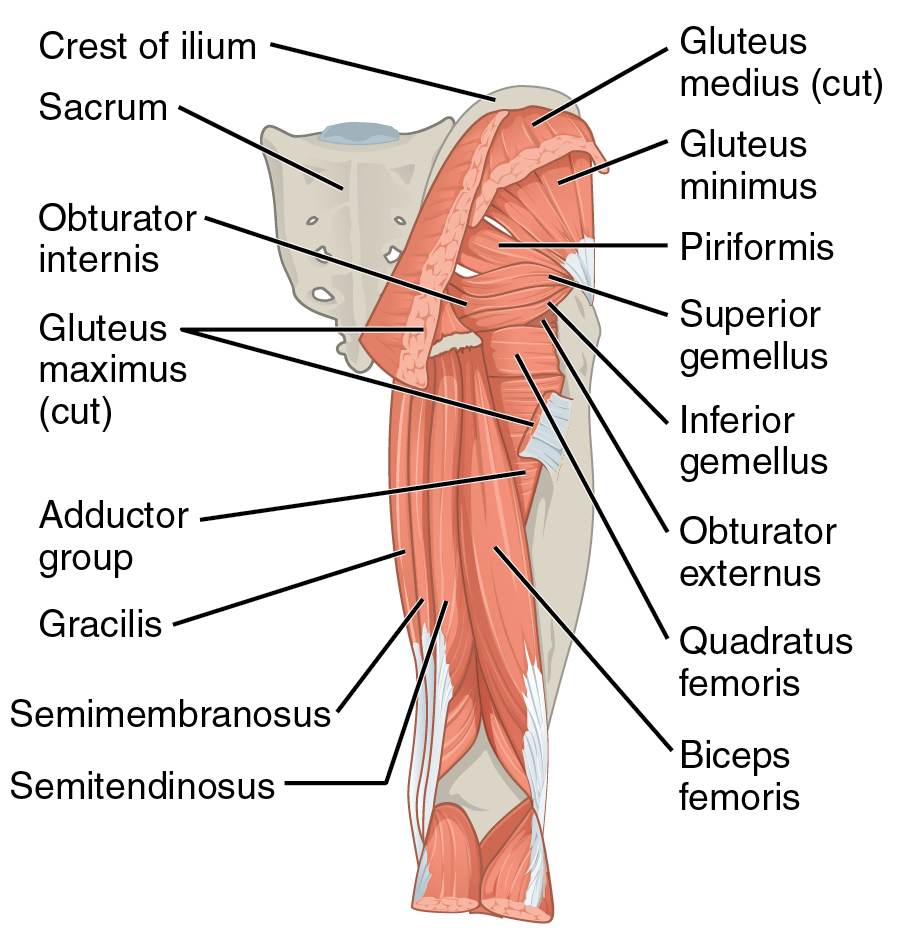
Ligaments are tough, fibrous bands that connect bone to bone, providing stability to the joint. Tendons, on the other hand, connect muscle to bone, transferring the force generated by muscle contractions into movement. Together, they create a strong, supportive structure.
Muscles in Motion
During a run, your hip muscles are constantly firing in a coordinated sequence to propel you forward while keeping you stable. Let's break down the main players and their jobs.
Gluteal Muscles: Located in your buttocks, the glutes are the primary drivers of hip extension—the powerful backward push of your leg that propels you forward. The gluteus maximus is the largest muscle in the body and your main engine for this movement. The gluteus medius and minimus, located on the side of the hip, are crucial for stability. They prevent your hip from dropping on the opposite side when one foot is off the ground.
Hip Flexors: This group of muscles, including the iliopsoas, is found at the front of your hip. Their main job is hip flexion, which is lifting your knee and swinging your leg forward to begin the next stride. They work in opposition to the glutes.
Adductors and Abductors: The adductors, on your inner thigh, pull your leg toward the body's midline, while the abductors, on your outer hip, move it away. In running, they act primarily as stabilizers, controlling side-to-side motion and keeping your pelvis, hip, and knee aligned.
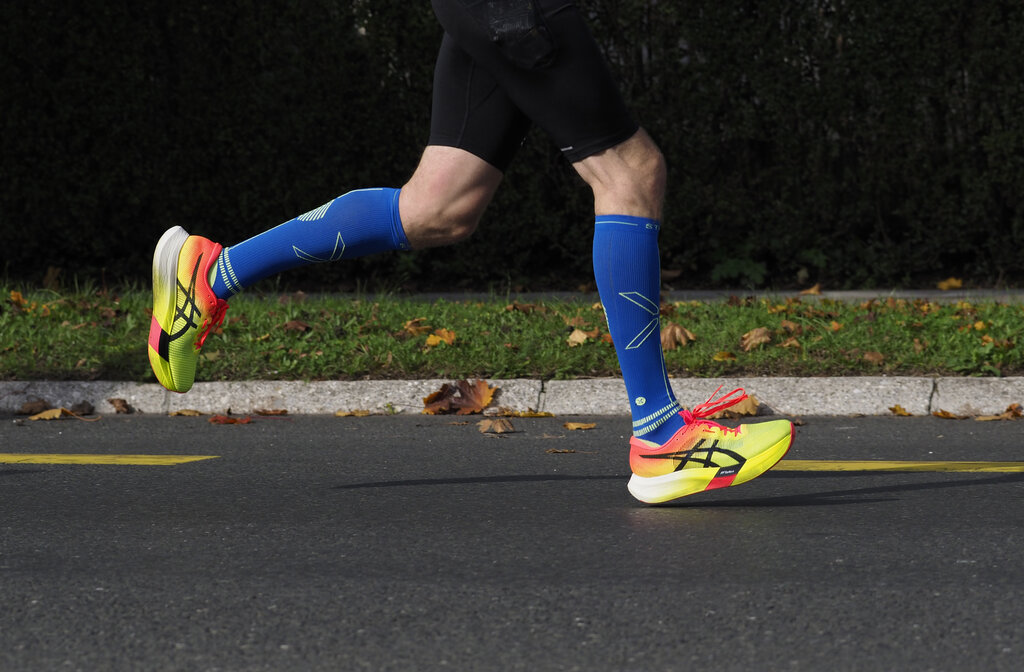
Think of the running stride as a cycle. As one leg drives back (hip extension powered by the glutes), the other swings forward (hip flexion powered by the hip flexors). Simultaneously, the abductors on your stance leg are working hard to keep your pelvis level. This entire sequence happens in a fraction of a second, with every step.
The Efficiency Engine
So how does all this anatomy affect your running economy? Running economy is essentially your energy efficiency—how much oxygen you consume to maintain a certain pace. Better economy means you can run faster or longer with the same amount of effort.
Efficient hip mechanics are central to good running economy. A powerful push-off from hip extension lengthens your stride, allowing you to cover more ground with each step without over-striding. This power originates from the large gluteal muscles, which are built for this kind of work.
Stability is just as important. When your hip abductors are doing their job, your pelvis remains stable and level. This prevents wasted energy from excessive side-to-side or rotational movements. If the hips are unstable, smaller muscles in the legs and lower back have to work overtime to compensate, leading to fatigue and potential injury. A stable core and pelvis ensures that the force you generate is channeled directly into forward motion.
Efficient hip function channels energy into forward momentum, reducing wasted motion and improving your overall running economy.
Let's test your understanding of the hip's role in running.
Which muscle group is the primary driver for hip extension, the powerful backward push of the leg during a running stride?
The ball-and-socket hip joint is formed by the head of the ______ fitting into the ______ of the pelvis.