Hindu Astrology Explained
Introduction to Jyotisha
The Science of Light
In Hindu culture, major life events are often approached with a unique form of guidance that looks to the heavens. This system is called Jyotisha, the traditional Hindu practice of astrology. The name itself, from Sanskrit, means the "science of light," as it studies the celestial lights—stars and planets—to understand their influence on human life.
Jyotisha isn't just about predicting the future. It's seen as a map of one's karma and a tool for navigating life's journey. It helps individuals understand their strengths, weaknesses, and the cosmic energies at play during different phases of their lives. This ancient practice remains deeply embedded in cultural traditions, offering insights for everything from marriage to career.
A Look Back
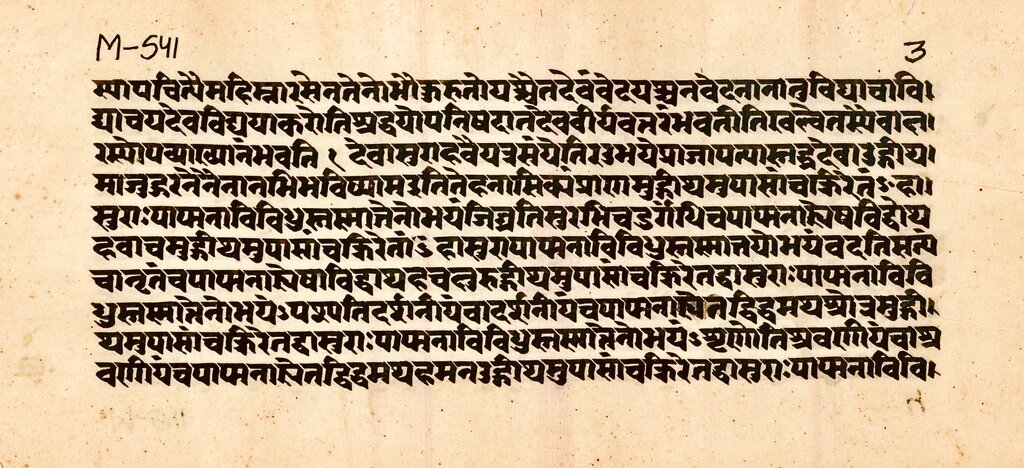
The roots of Jyotisha stretch back thousands of years to the Vedas, the most ancient Hindu scriptures. One of the six Vedangas, or limbs of the Vedas, is dedicated to it: the Vedanga Jyotisha. This text is one of the earliest known works on astronomy and timekeeping in India, primarily focused on setting auspicious times for rituals.
Over centuries, Jyotisha evolved, incorporating elements from Hellenistic astrology and developing its own unique systems. Foundational texts like the Brihat Parashara Hora Shastra, attributed to the sage Parashara, laid down the principles of modern predictive astrology as practiced today.
The Building Blocks
Jyotisha has a clear structure built on three core components: the houses, the planets, and the zodiac signs. Think of it like a stage play: the houses are the different settings or areas of life, the planets are the actors, and the signs are the roles or characteristics the actors express.
Bhava
noun
A house in a birth chart, representing a specific area of life.
First are the twelve Bhavas, or houses. The sky at the moment of birth is divided into twelve sections, each representing a different facet of life. The first house, for example, represents the self, while the tenth house relates to career.
Next are the Navagrahas, or the nine "planets." These are the key players. In Jyotisha, this group includes the seven classical celestial bodies plus two important points in the moon's orbit.
| Sanskrit Name | English Name |
|---|---|
| Surya | Sun |
| Chandra | Moon |
| Mangala | Mars |
| Budha | Mercury |
| Guru (Brihaspati) | Jupiter |
| Shukra | Venus |
| Shani | Saturn |
| Rahu | North Node of the Moon |
| Ketu | South Node of the Moon |
Finally, we have the twelve Rashis, or zodiac signs. These are similar to the signs in Western astrology but are calculated differently, using a system that accounts for the precession of the equinoxes. Each Rashi has its own distinct nature.
| Rashi (Sanskrit) | English Name |
|---|---|
| Mesha | Aries |
| Vrishabha | Taurus |
| Mithuna | Gemini |
| Karka | Cancer |
| Simha | Leo |
| Kanya | Virgo |
| Tula | Libra |
| Vrishchika | Scorpio |
| Dhanu | Sagittarius |
| Makara | Capricorn |
| Kumbha | Aquarius |
| Meena | Pisces |
Horoscope is the construction of the basic placement of planets at the time of one’s birth in a pre-decided format.
A Guide for Life
So how are these elements used? Jyotisha plays a very practical role in guiding life decisions. In many Hindu families, a birth chart, or Kundali, is created for a newborn. This chart maps the positions of the Navagrahas and Rashis across the twelve Bhavas at the exact time and place of birth.
This birth chart is consulted at major life milestones. For marriage, families often compare the charts of a potential couple in a process called Kundali matching to check for compatibility. When choosing a career, an astrologer might analyze the tenth house (career) and the planets influencing it to suggest a suitable path. It can also offer guidance on spiritual development by highlighting karmic patterns.
Another crucial application is determining Muhurta, or an auspicious time. The idea is to begin an important activity when the planetary alignments are favorable to ensure its success.
Choosing a Muhurta is like planting a seed. You select the best time and conditions for it to grow strong and healthy. People seek Muhurtas for weddings, starting a business, signing contracts, or even moving into a new home.
Let's review the core concepts we've covered.
Now, test your understanding of these building blocks.
What is the primary purpose of Jyotisha in Hindu culture?
In the analogy of a stage play, what do the twelve Bhavas (houses) represent in a Jyotisha chart?
By combining these elements, Jyotisha provides a framework for understanding one's place in the cosmos and for making choices that align with the flow of universal energies.