Hikvision Secure Door Module Setup
Introduction to Access Control
What Is Access Control?
At its core, an access control system is a gatekeeper. It determines who is allowed to enter a space or access a resource, and when they can do it. Think of it like a very smart, very reliable bouncer for a building, a room, or even a computer network. Its job is to grant access to authorized people while keeping unauthorized people out.
The main purpose is to enhance security by managing entry. This protects people, property, and sensitive information from theft, damage, or misuse. Instead of relying on traditional metal keys, which can be lost, stolen, or copied, electronic access control provides a more flexible and secure way to manage who goes where.
Access control consists of two main very important components: authentication and authorization.
Authentication is the process of verifying that someone is who they claim to be. Authorization is the step that happens after authentication, where the system decides if that person has permission to enter a specific area at that particular time.
The Key Components
Every access control system is built from a few essential parts that work together. Understanding how they interact is key to understanding the whole system.
Here's a breakdown of the main players:
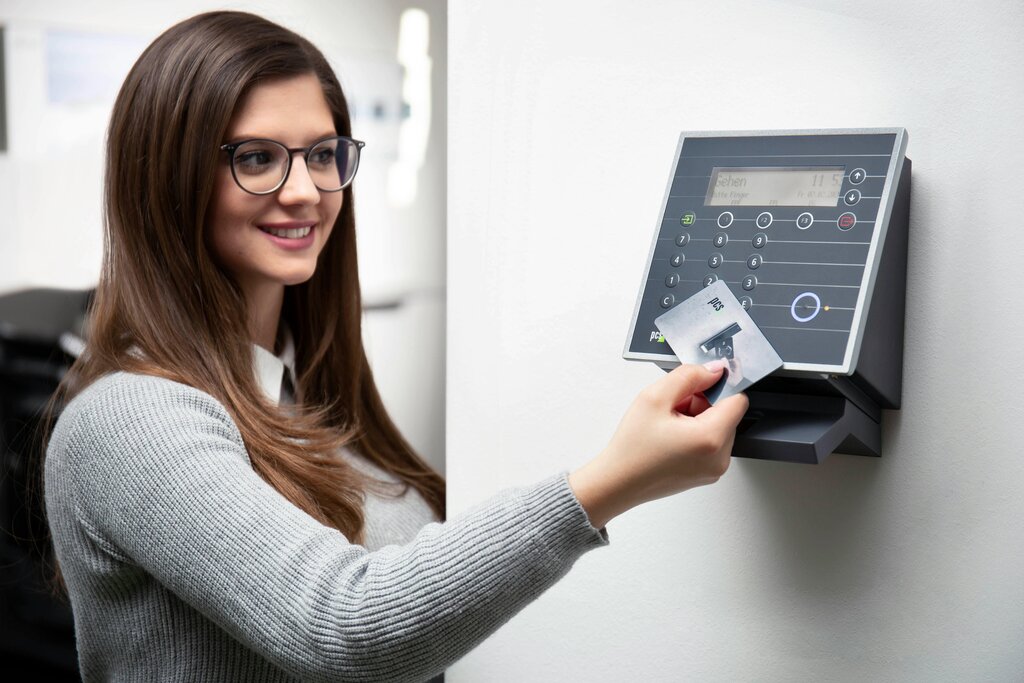
- Credentials & Readers: A credential is what you use to identify yourself. It could be a keycard, a fob, your fingerprint, or a PIN. The reader is the device you present your credential to. It reads the information and sends it to the controller.
- Controller: This is the brain of the operation. The controller receives information from the reader, checks it against the access rules you've set, and decides whether to grant or deny access. It's the component that makes the final decision.
- Locks: If the controller grants access, it sends a signal to the electronic lock to disengage, allowing the door, gate, or turnstile to open. This is the physical barrier that enforces the controller's decision.
- Software: The access control software is the user interface where administrators manage the system. They use it to add or remove users, set access schedules (like allowing entry only from 9 to 5), and view event logs to see who accessed what, and when.
Methods of Access
Different situations call for different types of credentials. The three most common methods are based on something you have, something you know, or something you are.
Something you have: This includes physical items like keycards, fobs, or even your smartphone with a digital credential. They are simple to use and manage.
Something you know: This is a secret piece of information, most commonly a Personal Identification Number (PIN) entered on a keypad.
Something you are: This refers to biometrics, which are unique physical characteristics. Fingerprint scanners, facial recognition cameras, and iris scanners are all examples of biometric readers. They offer a very high level of security because they are difficult to fake or steal.
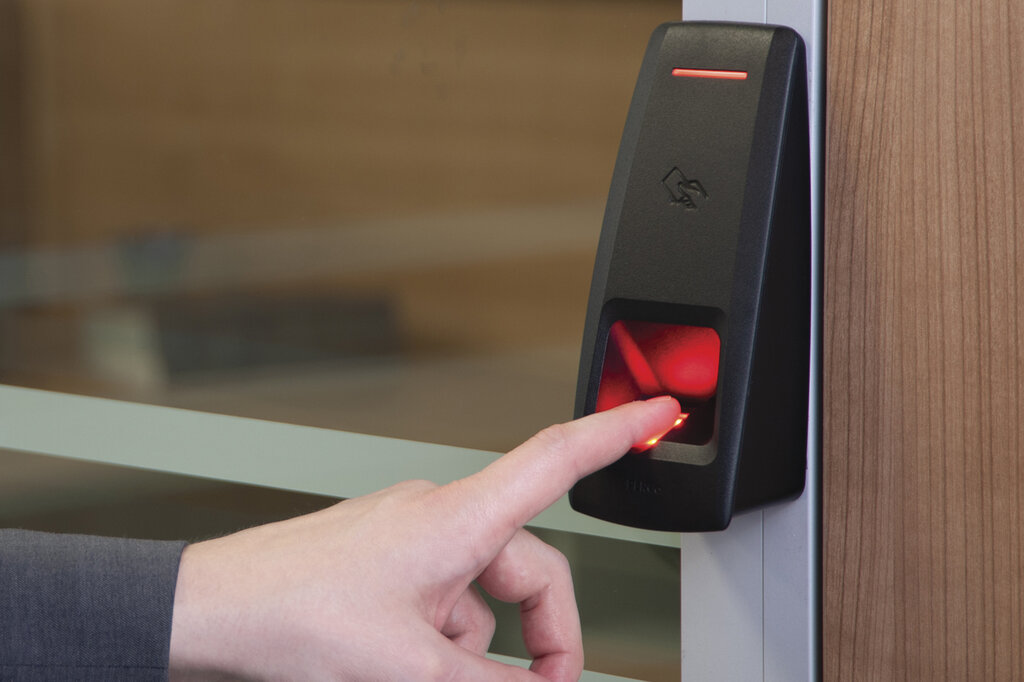
Often, systems will combine these methods for higher security. For example, requiring both a keycard and a PIN is known as two-factor authentication.
| Method | Pros | Cons |
|---|---|---|
| Keycards/Fobs | Easy to use, inexpensive, easy to revoke access. | Can be lost, stolen, or shared. |
| PIN Codes | Nothing physical to carry or lose. | Can be forgotten, shared, or observed. |
| Biometrics | Very high security, cannot be lost or stolen. | More expensive, potential privacy concerns. |
Ultimately, access control is a fundamental part of modern security management. It provides a powerful, flexible way to ensure that only the right people have access to the right places at the right times, creating a safer and more secure environment.
Ready to check your understanding? Let's review what you've learned.
What is the primary function of an access control system?
Which component of an access control system is considered the 'brain' that makes the decision to grant or deny access?
By managing and monitoring entry, these systems form the first line of defense in protecting valuable assets and ensuring safety.