Hikvision 7 Series IP Cameras
Introduction to IP Cameras
What Are IP Cameras?
At its core, an IP camera is a digital video camera that sends and receives data over a computer network. The "IP" stands for Internet Protocol, which is the set of rules that governs how data travels across the internet and other networks.
An IP (Internet Protocol) camera is a digital security camera that transmits video over a network, similar to how your phone or computer connects to the internet.
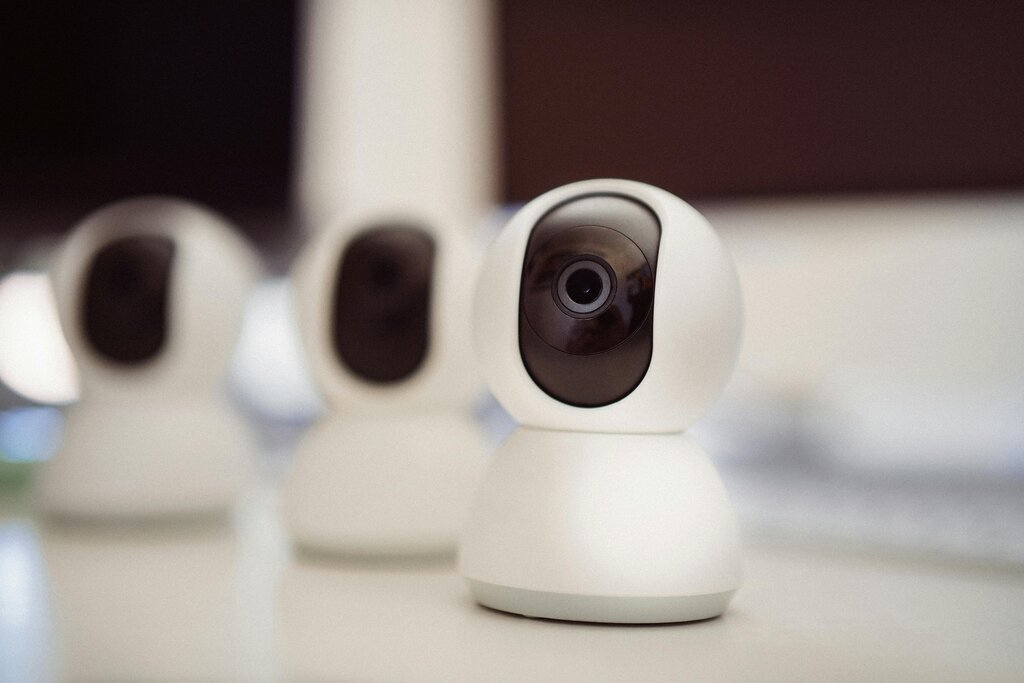
Think of it like a small computer with a lens. It captures images, compresses them into a digital video stream, and sends that stream over a network connection. This connection can be a physical Ethernet cable or a wireless link like Wi-Fi. This allows you to view the camera's feed from anywhere on that network, or even from across the world if it's connected to the internet.
IP vs Analog Cameras
For decades, analog cameras were the standard for surveillance. They worked by sending video signals over a coaxial cable to a recorder, much like old-fashioned television broadcasts. IP cameras represent a major leap forward from this technology.
The key difference is how the video signal is handled. Analog cameras send a raw, uncompressed signal, while IP cameras digitize, compress, and transmit the video as network data.
This fundamental change brings several advantages. IP cameras generally offer much higher resolution, providing clearer and more detailed images. They also offer more flexibility, since they can be placed anywhere a network connection is available. Here's a quick comparison:
| Feature | Analog Cameras | IP Cameras |
|---|---|---|
| Video Quality | Standard definition, lower resolution | High definition (HD) and higher |
| Cabling | Requires separate coaxial and power cables | Often uses a single Ethernet cable for both data and power (PoE) |
| Scalability | Limited by the number of ports on the recorder | Easily scalable; add more cameras to the network as needed |
| Features | Primarily video capture | Can include smart features like motion detection, two-way audio, and remote access |
Inside the Camera
While they look simple, IP cameras pack several key components into a small package. The most important ones are the lens, the image sensor, and the processor.
The lens is just like the one in any other camera. Its job is to gather light from the scene and focus it precisely onto the image sensor. The quality of the lens has a big impact on the sharpness and clarity of the final image.
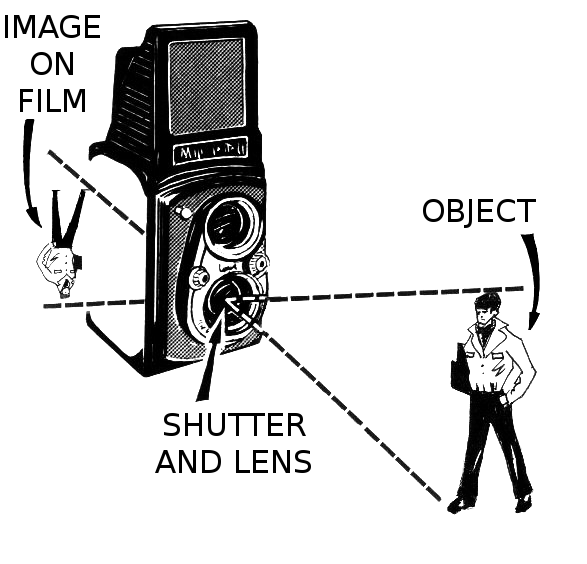
The image sensor is the electronic chip that acts like the camera's film or retina. It's covered in millions of tiny light-sensitive points (pixels) that convert the focused light into electrical signals. The more pixels a sensor has, the higher the camera's resolution.
Finally, the processor is the brain of the operation. It takes the raw data from the image sensor, compresses it into a standard video format (like H.264 or H.265), and manages the camera's connection to the network. This onboard processing is what makes an IP camera a true network device.
Connecting to the Network
For an IP camera to work, it needs to join a network and get a unique address, just like a house needs a street address for mail delivery. This is called an IP address.
When you connect an IP camera to your network, it usually gets an IP address automatically from your router through a process called DHCP (Dynamic Host Configuration Protocol). Once it has this address, other devices on the network, like your computer or smartphone, can communicate with it to view the video stream.
Understanding this basic network setup is key to using IP cameras. They aren't just standalone devices; they are an integrated part of a digital network, offering powerful and flexible surveillance.
What does "IP" in "IP camera" stand for?
Which component of an IP camera is responsible for converting light into electrical signals?