Higher Education Governance Explained
Introduction to Higher Education Governance
What is University Governance?
Governance is the framework of rules, relationships, and processes that control a university. Think of it as the institution's operating system. It determines who has the authority to make decisions, how those decisions are made, and who is held accountable for the outcomes. Without a clear governance structure, a university would struggle to set a budget, hire professors, or even decide what courses to offer.
This system isn't run by just one person. It involves a delicate balance of power between several key groups, or stakeholders. The primary stakeholders are the governing board (often called a Board of Trustees or Regents), the administration (like the president and deans), the faculty, and the students. Each group has a distinct role in shaping the university's direction and daily life.

Models of Governance
Not all universities are governed in the same way. Most models fall into one of two broad categories: unitary or dual.
A unitary model is like a traditional corporation. A single governing board holds ultimate authority over everything, from finances to academics. This board delegates tasks to the administration and faculty, but the final say rests at the top. This structure can lead to quick, decisive action.
A dual model, common in many older universities, features two parallel structures of authority. A governing board typically oversees financial and administrative matters, while a separate body, often a Faculty Senate or Academic Board, holds authority over academic issues like curriculum and degree requirements. This creates a system of checks and balances, though it can sometimes slow down decision-making.
How Decisions Get Made
Regardless of the model, decision-making in higher education relies on established processes. These processes ensure that choices are made thoughtfully and with input from the relevant stakeholders. This principle is often called shared governance.
Shared governance doesn't mean everyone votes on every issue. Instead, it means that responsibility for decision-making is distributed. For example, the faculty might have primary authority over what's taught in the classroom, while the administration handles the budget, and the governing board provides final oversight and sets long-term strategy. The significance of these processes is huge—they maintain the stability, integrity, and academic freedom of the institution.
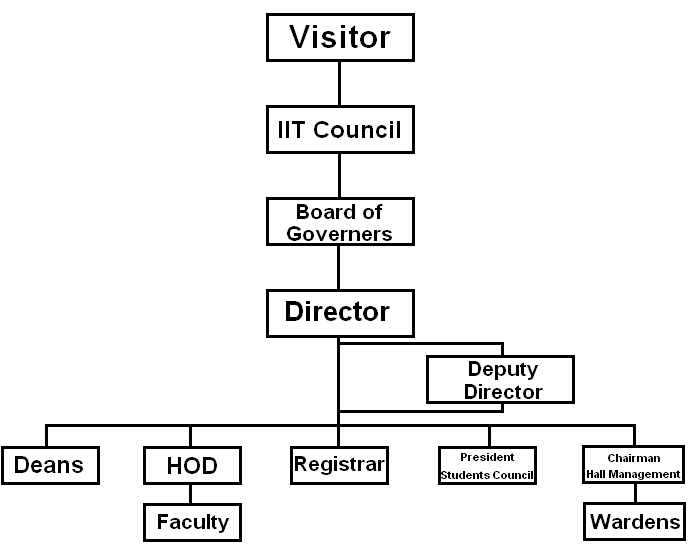
Understanding these basic structures is the first step to seeing how universities function as complex organizations. Now, let's check your understanding of these core concepts.
Which statement best defines the concept of university governance?
In a university's "dual" governance model, authority is typically split between which two bodies?
With this foundation, you're ready to explore the specific roles each stakeholder plays in the intricate dance of university governance.