High Schooler's Daily Routine Mastery
Understanding Sleep Needs
The Unsung Hero of Your Health
Think of sleep as a superpower. It doesn't get the same attention as diet or exercise, but it’s just as critical for your brain and body. For teenagers, getting the right amount of sleep is especially important because your brain is still developing at a rapid pace.
So, what's the magic number? Most high school students need between 8 to 10 hours of sleep per night. That’s not a suggestion; it’s a biological necessity. Anything less, and you start to build up what's called a 'sleep debt'.
A sleep debt is like a credit card bill for your energy. The more you accumulate, the harder it is to function, and eventually, you have to pay it back.
When you're sleep-deprived, the consequences show up everywhere. Academically, it becomes harder to focus in class, remember what you studied, or solve complex problems. That big exam you stayed up all night for? You might have been better off getting a full night's rest.
Physically, lack of sleep can weaken your immune system, making you more likely to get sick. It also impacts your mood, leading to increased irritability, stress, and even feelings of anxiety or depression. It's tough to be at your best when you're running on empty.

How to Build a Better Sleep Routine
Knowing you need sleep is one thing; actually getting it is another. The key is consistency. Your body loves a routine, thanks to its internal 24-hour clock, known as the circadian rhythm. Sticking to a regular sleep-wake cycle helps keep this rhythm in sync.
Try this: go to bed and wake up at roughly the same time every day. Yes, even on weekends. Sleeping in until noon on Saturday might feel great, but it can throw your internal clock out of whack, making it much harder to wake up for school on Monday morning.
Healthy sleep strategies include getting enough sleep, which is 7-9 hours at night for adults, and keeping a consistent sleep schedule by falling asleep and waking up at the same times every day.
Creating a calm and relaxing bedtime routine can signal to your brain that it's time to wind down. This could be reading a book (a physical one!), listening to quiet music, or doing some light stretching. The goal is to shift from the high-alert state of your day to a peaceful state ready for sleep.
Your Bedroom: A Sleep Sanctuary
Your environment plays a huge role in sleep quality. Your bedroom should be a sanctuary for rest, not a multi-purpose hub for homework, socializing, and entertainment. Three factors are most important: light, noise, and temperature.
Keep it Dark: Darkness signals your brain to produce melatonin, the hormone that makes you sleepy. Use blackout curtains or an eye mask to block out light.
Keep it Quiet: Unpredictable noises can disrupt sleep. If your environment is noisy, consider using a fan for white noise or earplugs.
Keep it Cool: Your body temperature naturally drops as you fall asleep. A cool room, typically between 60-67°F (15-19°C), can help this process along.
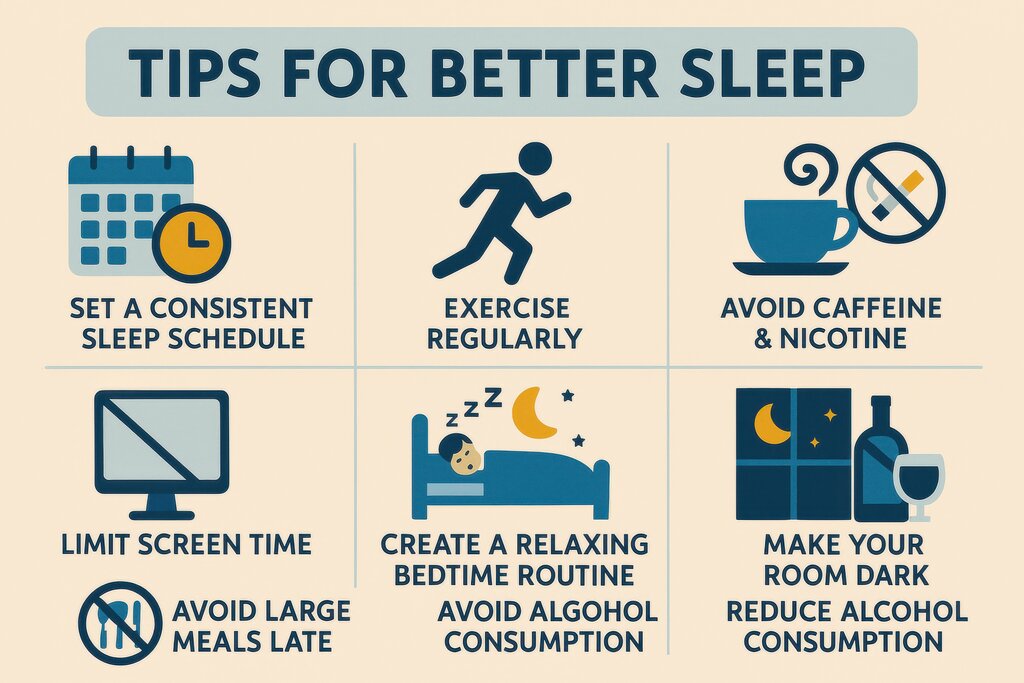
One of the biggest obstacles to good sleep today is the glowing screen in your hand. The blue light emitted by phones, tablets, and computers suppresses melatonin production, tricking your brain into thinking it's still daytime. This makes it harder to fall asleep.
Make a rule to put away all screens at least an hour before you plan to go to sleep. It might be difficult at first, but your well-rested brain will thank you in the morning.
While technology offers incredible learning opportunities and entertainment, excessive screen use can impact sleep, social skills, and overall well-being.
Now, let's review some key ideas before testing your knowledge.
Ready to see what you've learned?
According to sleep experts, what is the recommended amount of sleep for most high school students each night?
What is the primary reason that using a smartphone right before bed can make it harder to fall asleep?
Prioritizing sleep isn't lazy; it's one of the smartest things you can do for your health, mood, and academic success. A good night's rest prepares you to take on whatever challenges the next day brings.