High School Football Northern Ireland Explained
Introduction to Northern Irish High School Football
More Than Just a Game
In Northern Ireland, football is woven into the fabric of daily life, and for many, that passion begins at school. Long before the floodlights of professional stadiums, the journey starts on school pitches, where rivalries are born and skills are honed. It's a core part of the school experience, as common as maths or history class.
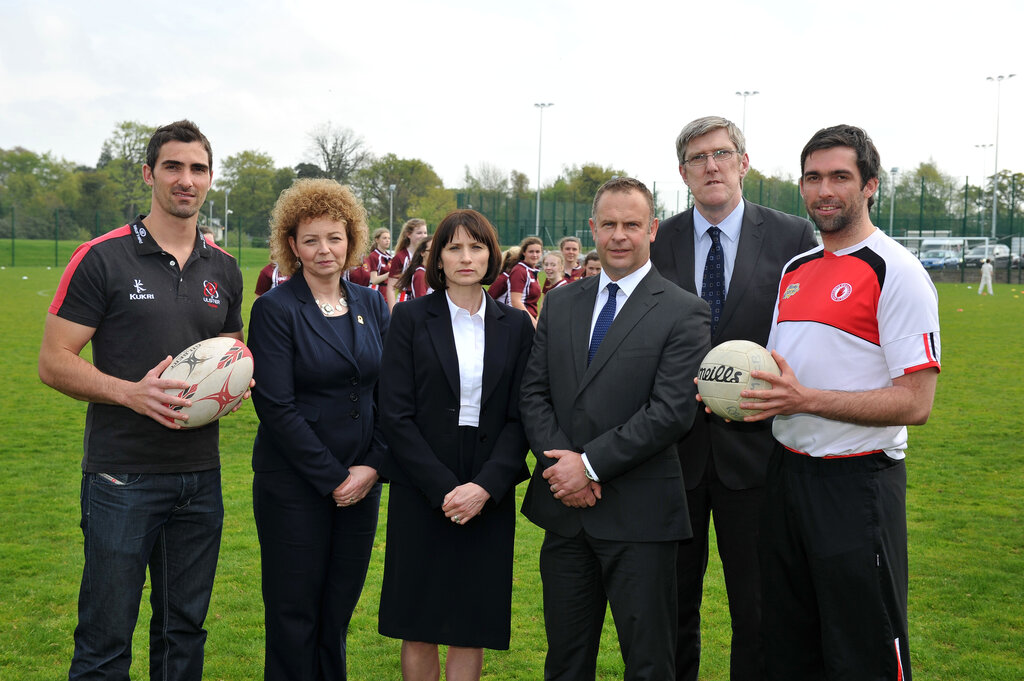
School football isn't just an extracurricular activity; it's a vital piece of the educational puzzle. It provides a practical arena for learning lessons that can't be taught in a classroom. Students learn about discipline, showing up for practice on time, and listening to their coaches and captains. They learn resilience when a match doesn't go their way and the importance of teamwork to achieve a common goal.
Playing on a school team teaches students to collaborate, communicate, and support one another, both on and off the pitch.
Friendly Competition
The structure of school football is designed to foster both participation and healthy competition. Most schools will have teams for different year groups, allowing students to play against others of a similar age and skill level. This setup ensures that as many students as possible get a chance to play and develop.
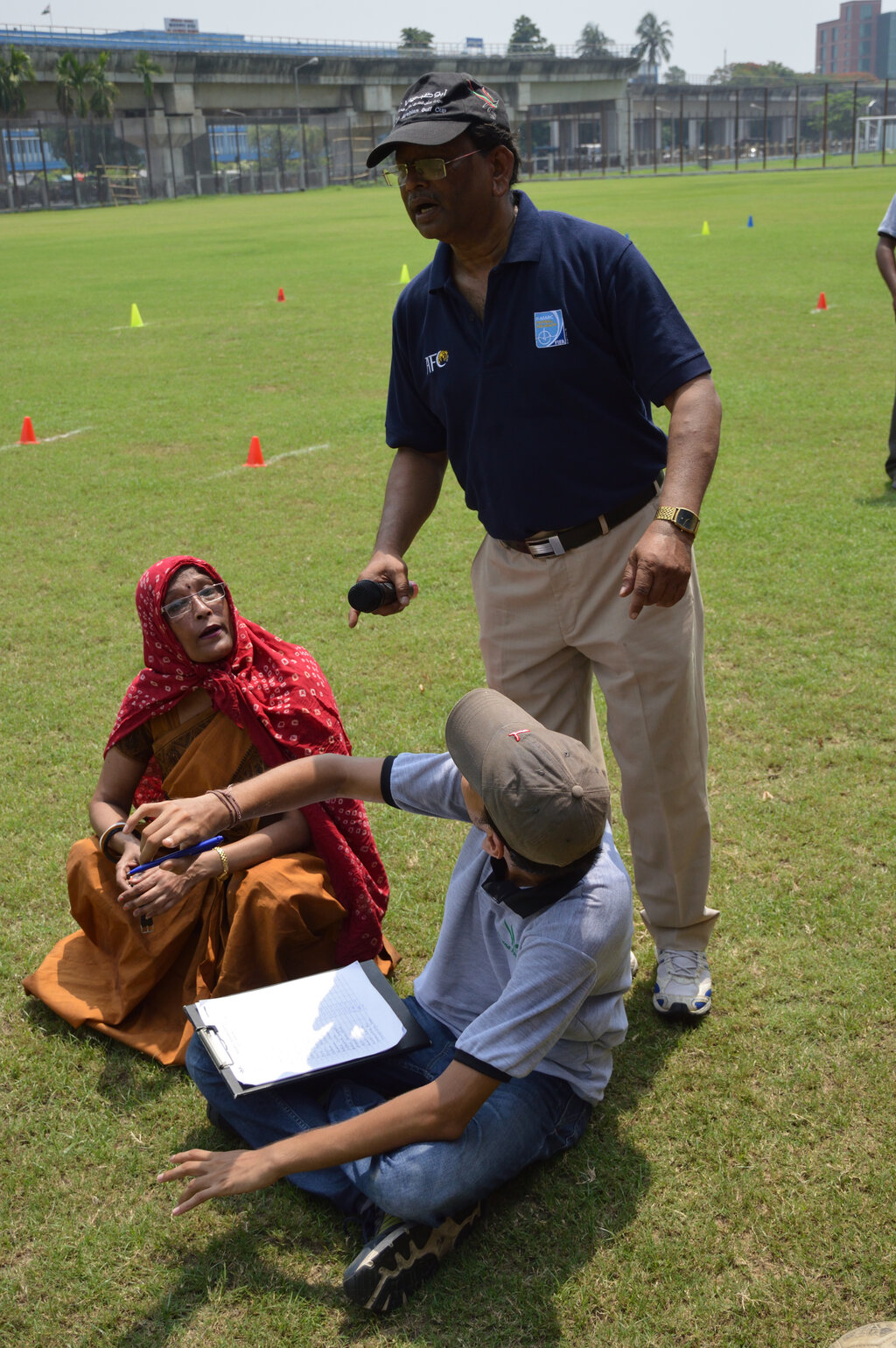
Competitions typically take two main forms. First, there are local leagues where schools play against others in their immediate area. These matches build a sense of local identity and friendly rivalry. Then, there are knockout cup competitions, which often pit schools from different regions against each other. These tournaments are exciting, high-stakes events where a single loss can mean elimination. The biggest of these are the Northern Ireland Schools' Cup competitions, which are the pinnacle of school football.
Building Character
Ultimately, high school football in Northern Ireland is about much more than winning trophies. It's a platform for youth development, shaping well-rounded individuals. The physical fitness gained from regular training and matches contributes to a healthy lifestyle.
Mentally, players develop focus and strategic thinking. Socially, they build lasting friendships with teammates from different backgrounds. The shared experience of training, travelling to away games, and celebrating victories or consoling each other after a loss creates a unique and powerful bond. It's a formative experience that prepares young people for challenges far beyond the football pitch.
According to the text, what is the primary role of school football in Northern Ireland?
What are the two main forms of competition mentioned for school football?