High-Scaling Machine Learning for Career Success
Introduction to Machine Learning
What Is Machine Learning?
Machine learning is a way of teaching computers to find patterns in data and make decisions on their own, without being explicitly programmed for every single task. Instead of writing step-by-step rules, we give the computer a large amount of data and let it figure out the rules for itself.
Think about how a child learns to recognize a cat. You don't give them a list of rules like "if it has pointy ears, whiskers, and a tail, it's a cat." Instead, you show them many different cats. Over time, the child's brain learns the underlying patterns and can identify a cat it's never seen before. Machine learning works in a similar way, but with data.
At its core, machine learning is about using data to answer questions and make predictions.
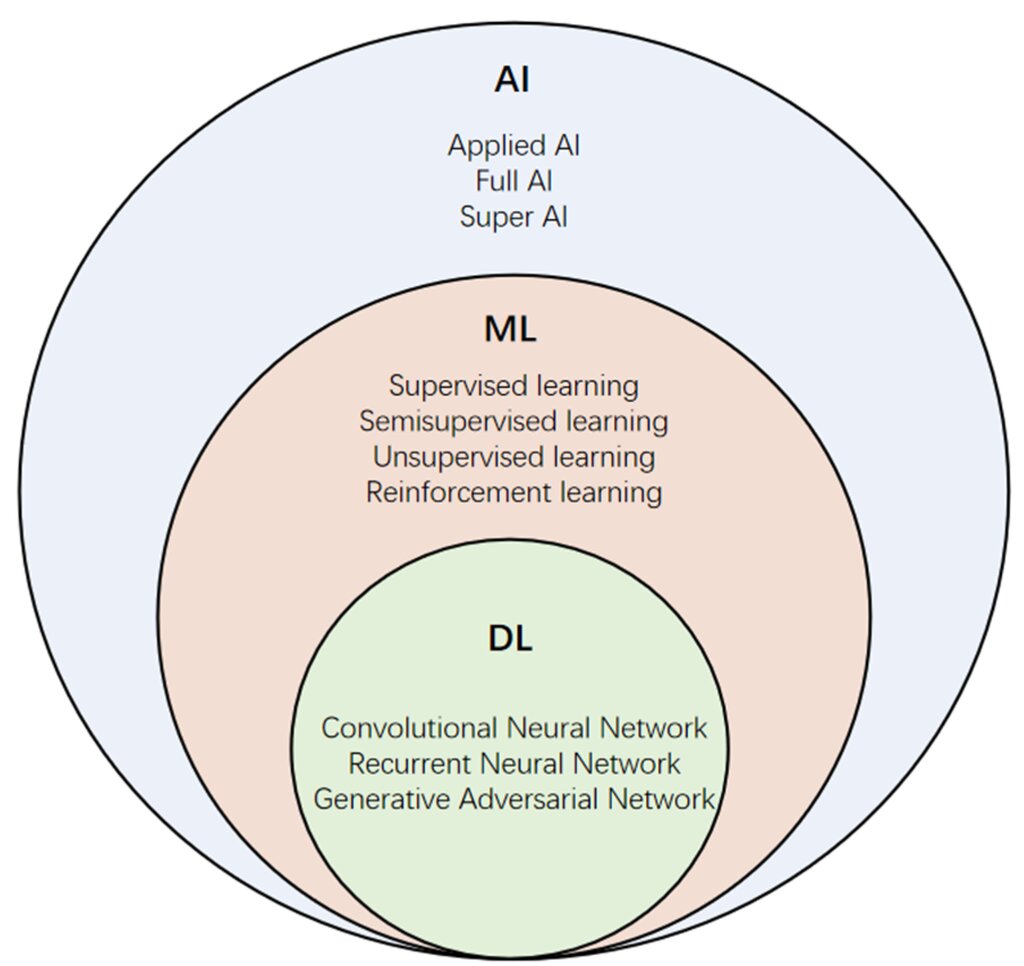
This ability to learn from experience is what makes machine learning so powerful. It's the engine behind many modern technologies, from personalized movie recommendations to medical diagnoses. It allows us to solve complex problems that would be impossible to code by hand.
Three Main Flavors
Machine learning isn't a single technique; it's a broad field with several different approaches. The three main types are supervised, unsupervised, and reinforcement learning. Each is suited for different kinds of problems.
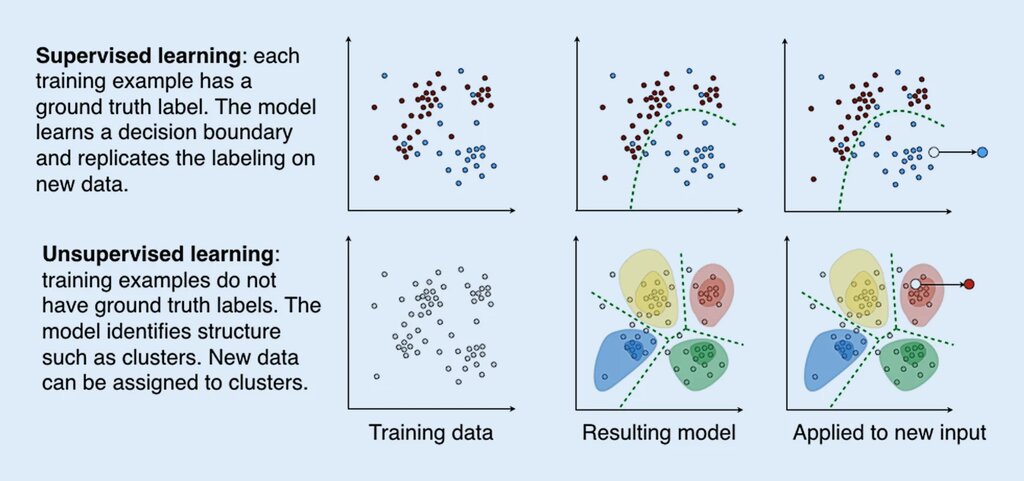
Supervised Learning: Learning with an Answer Key This is the most common type of machine learning. In supervised learning, the model learns from data that has been labeled with the correct answers. It’s like studying for a test with a set of practice questions and their solutions. The goal is for the model to learn the relationship between the input data and the output labels so it can make accurate predictions on new, unseen data.
Two common tasks are:
- Classification: Predicting a category, like whether an email is spam or not spam.
- Regression: Predicting a continuous value, like the price of a house.
Unsupervised Learning: Finding Hidden Patterns With unsupervised learning, the model is given data without any labels. Its job is to explore the data and find interesting structures or patterns on its own. It’s like being given a box of mixed Lego bricks and asked to sort them into logical groups without any instructions.
Common tasks include:
- Clustering: Grouping similar data points together, like segmenting customers based on purchasing behavior.
- Association: Discovering rules that describe large portions of your data, such as finding that customers who buy bread also tend to buy milk.
Reinforcement Learning: Learning from Experience This approach is inspired by how humans and animals learn. A computer program, called an agent, learns to achieve a goal by interacting with an environment. It learns through trial and error, receiving rewards for good actions and penalties for bad ones. The agent's goal is to maximize its total reward over time.
This is the type of learning used to train computers to play complex games like Chess or Go, and it's also used in robotics and self-driving cars.
Where You See It Every Day
Machine learning isn't just a concept for researchers; it's integrated into many of the products and services you use daily.
| Application | How it Works (Simplified) | Type of Learning |
|---|---|---|
| Email Spam Filtering | The model is trained on thousands of emails labeled as 'spam' or 'not spam' to learn how to classify new incoming emails. | Supervised Learning |
| Recommendation Engines | Systems on sites like Netflix or Spotify analyze your viewing or listening history to find patterns and suggest new content you might enjoy. | Unsupervised & Supervised |
| Medical Image Analysis | Models are trained on medical scans (like X-rays or MRIs) to identify anomalies or diseases, assisting doctors in making diagnoses. | Supervised Learning |
| Self-Driving Cars | A car uses sensors to perceive its surroundings and makes decisions based on a reward system that prioritizes safety and reaching the destination. | Reinforcement Learning |
From navigating traffic to detecting credit card fraud, machine learning operates behind the scenes, making processes more efficient, personalized, and intelligent.
What is the fundamental difference between machine learning and traditional programming?
The provided text compares machine learning to a child learning to recognize a cat. What does this analogy primarily illustrate?