High-Rise Hard Service Management in the UAE
Introduction to Hard Services Management
The Building's Backbone
Hard services are the physical, built-in systems that make a building operate. Think of them as the skeleton and circulatory system of a high-rise. They are physically integrated into the structure and are essential for it to function safely and efficiently. Without them, a building is just an empty shell.
These services are typically difficult and expensive to install or change, which is why they're called "hard."
This is different from soft services, which relate to the people and operations within the building. Soft services make a building a more pleasant place to be, while hard services make it a possible place to be. Understanding the distinction is key to effective facilities management.
| Hard Services (The Structure) | Soft Services (The People) |
|---|---|
| HVAC Systems | Cleaning & Janitorial |
| Electrical & Lighting | Security & Guarding |
| Plumbing & Water Systems | Landscaping & Groundskeeping |
| Elevators & Escalators | Catering & Vending |
| Fire Safety Systems | Waste Management |
| Building Management System (BMS) | Reception & Mailroom Services |
Core Systems in High-Rises
In a modern skyscraper, several complex hard services work together. Each one is a critical piece of the puzzle.
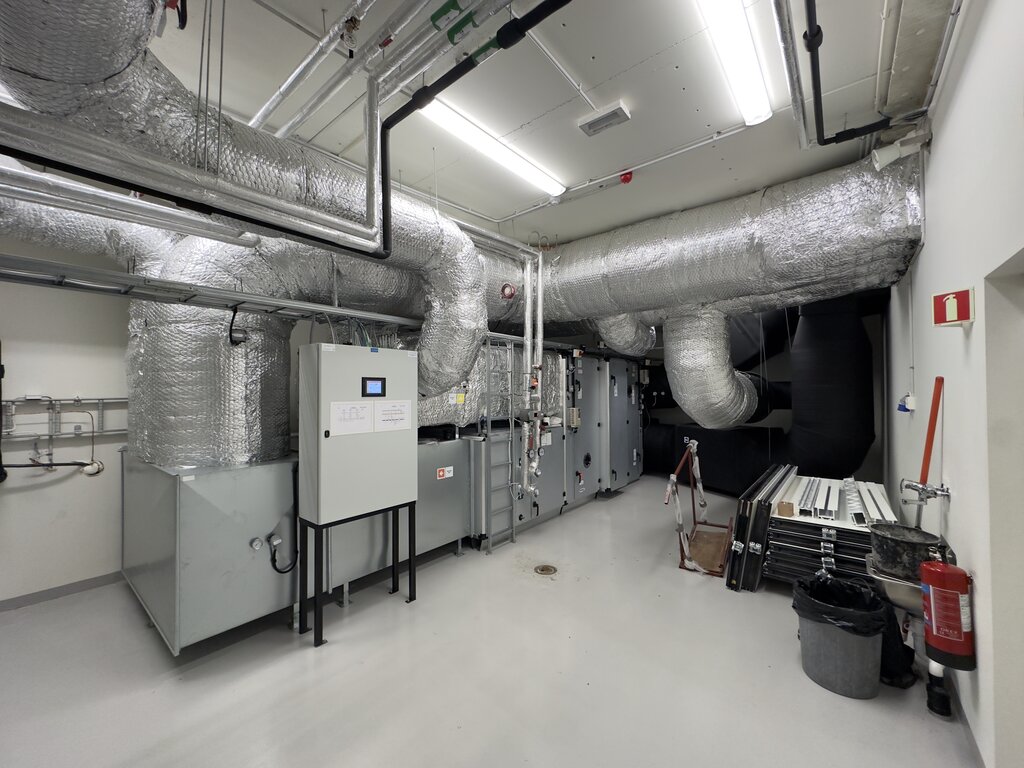
HVAC Systems: Heating, Ventilation, and Air Conditioning systems control the climate inside the building. In a hot environment like the UAE, this is arguably one of the most critical services for keeping tenants comfortable and equipment functioning properly.
Electrical & Plumbing: These are the building's arteries and veins. The electrical system powers everything from lights and elevators to computers and life-support systems. The plumbing system delivers fresh water for drinking and sanitation and safely removes wastewater.
Elevators & Escalators: In a high-rise, vertical transport is not a luxury; it's a necessity. These systems move hundreds or thousands of people throughout the building every day, and their reliability is paramount.
Building Management System (BMS): This is the brain of the operation. A BMS is a centralized, computer-based system that monitors and controls all the other hard services. It helps optimize energy use, detect faults early, and ensure all systems are working in harmony.
Following the Rules in the UAE
Managing these systems isn't just about keeping things running. It's about keeping people safe. The UAE has a comprehensive set of regulations and codes that govern the design, installation, and maintenance of hard services in high-rise buildings. A key example is the UAE Fire and Life Safety Code of Practice, which sets strict standards for fire alarms, sprinkler systems, and emergency lighting.
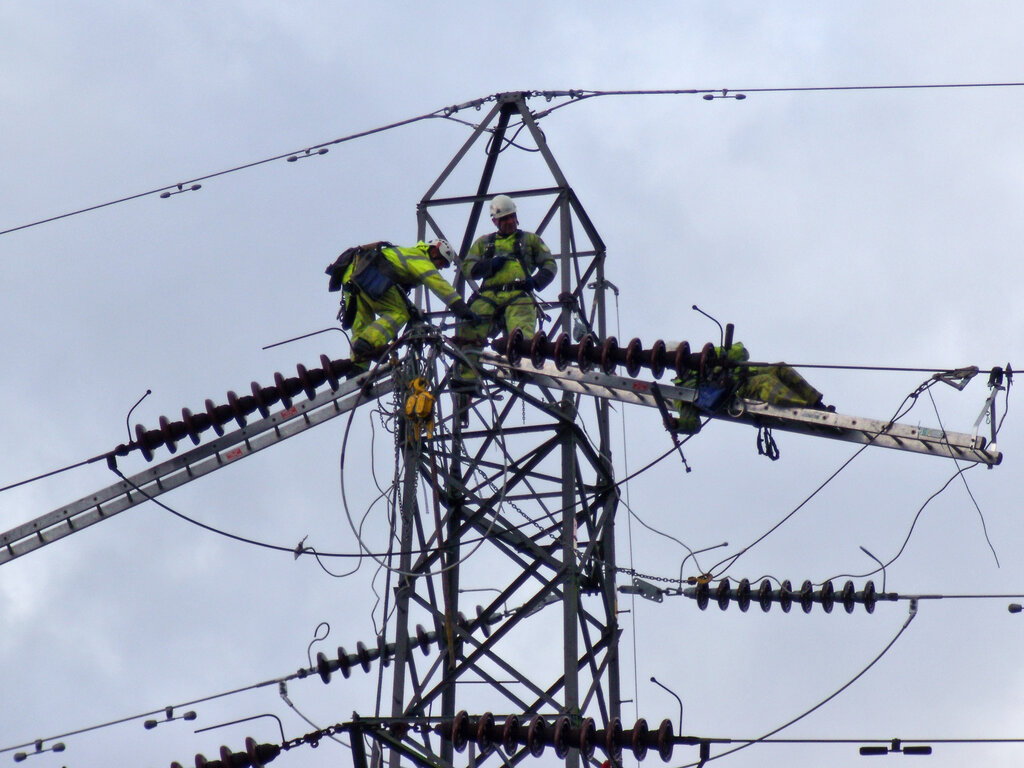
Adherence to these local standards is mandatory. It ensures that buildings are not only functional and efficient but also resilient and safe for all occupants. For facilities managers, staying current with these regulations is a core part of the job.
Let's check your understanding of these foundational concepts.
Which of the following is considered a 'hard service' in facilities management?
What is the primary function of a Building Management System (BMS)?
Hard services form the essential, integrated systems that allow a building to function. By understanding their role and the rules that govern them, you build a foundation for successful facilities management.