High Pressure Die Casting Explained
Introduction to Die Casting
What Is Die Casting?
At its heart, metal casting is an ancient craft. For thousands of years, people have melted metal and poured it into molds to create tools, art, and weapons. Die casting is the modern, high-speed evolution of this process.
Metal casting is a 7,000-year-old process used in both manufacturing and fine art.
Instead of just pouring, die casting injects molten metal into a steel mold—called a die—under high pressure. Think of it like a very powerful, very hot squirt gun. This pressure forces the metal into every tiny detail of the mold, creating complex parts with incredible accuracy. The first die-casting-related patent was granted in 1849 for a small, hand-operated machine used to make printing type. From those humble beginnings, the technology has grown to become a cornerstone of modern industry.
The Basic Principle
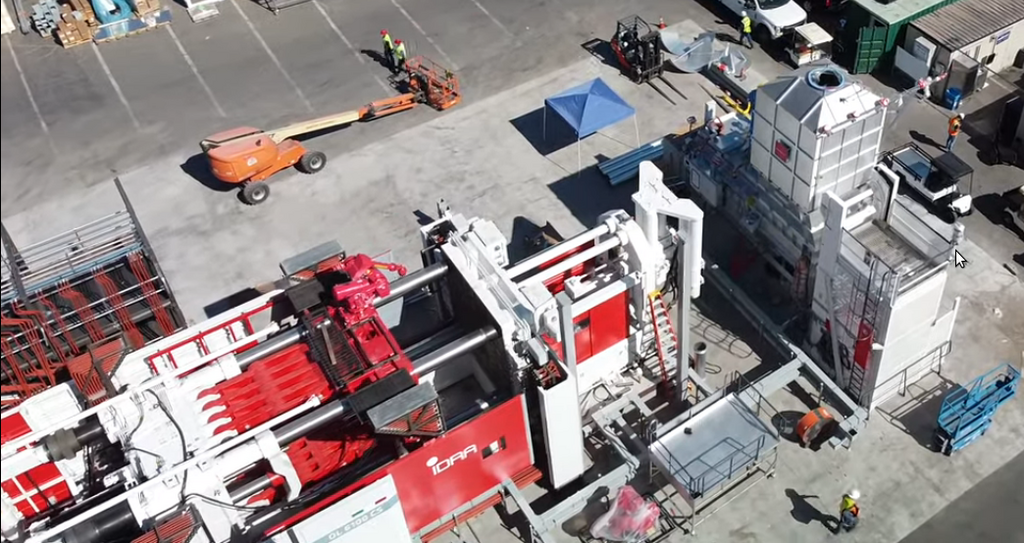
The core idea is simple. You have a mold, which is the negative space of the part you want to create. You fill that mold with liquid metal, let it cool and harden, and then remove your finished part. The die is typically made from steel and consists of two halves. When clamped together, they form the cavity for casting.
Once the metal is injected, it cools rapidly against the die walls. After it has solidified, the two die halves are opened, and the casting is ejected. This cycle can repeat very quickly, sometimes hundreds or even thousands of times per hour, making it ideal for mass production.
Pressures and Methods
Die casting isn't a one-size-fits-all process. The main distinction lies in the amount of pressure used to inject the metal into the die. The two primary methods are high-pressure and low-pressure die casting.
High-Pressure Die Casting (HPDC) is the most common method. It uses very high pressures to inject metal at high speed. This allows for fast cycle times and the creation of parts with thin walls and fine details. It's the go-to process for producing huge volumes of parts quickly and economically.
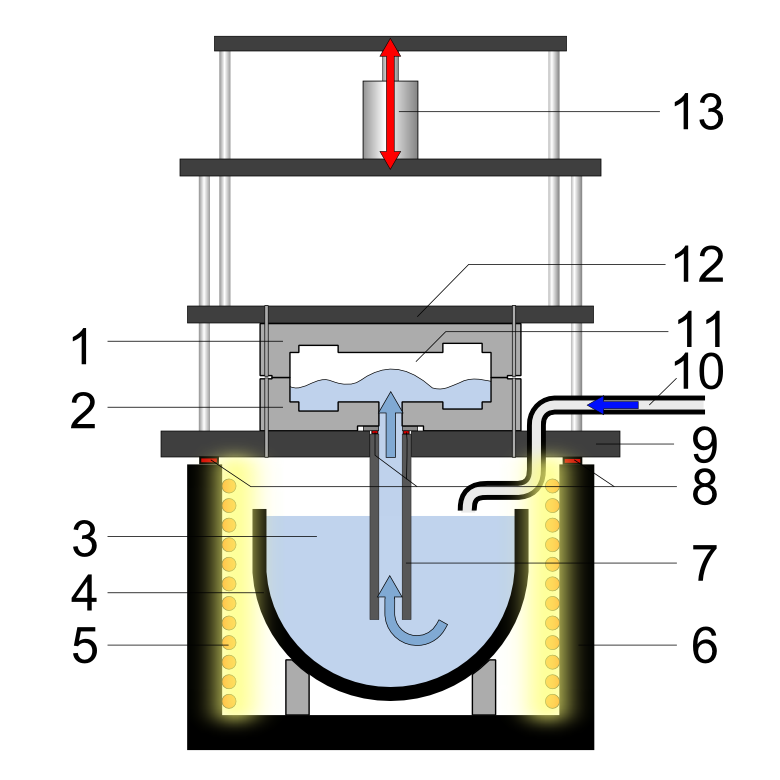
Low-Pressure Die Casting (LPDC), as the name suggests, uses much less pressure. The molten metal is gently pushed up into the mold from a furnace below. This slower, more controlled fill results in parts that are denser and stronger, with fewer internal defects like porosity. It's often used for components where mechanical strength is critical.
Common Materials
Not every metal is suitable for die casting. The process works best with non-ferrous alloys that have low melting points. This makes them easier to melt and handle, and it reduces wear on the steel dies. The three most common families of alloys are:
| Material | Key Characteristics |
|---|---|
| Aluminum | Lightweight, strong, and corrosion-resistant. |
| Zinc | Easy to cast, excellent for fine details and plating. |
| Magnesium | The lightest structural metal, strong for its weight. |
Each material offers a different combination of weight, strength, and finishing properties. The choice of alloy depends entirely on what the final part needs to do.
What is the defining characteristic of die casting that distinguishes it from more traditional casting methods?
If an engineer needs to produce a component that is extremely dense and strong, with minimal internal defects like porosity, which process would be the better choice?