High-Performance Paid Ad Landing Pages
Understanding Landing Pages
What is a Landing Page?
Think of a landing page as a special-purpose web page. Unlike a regular home page where visitors can wander around, a landing page has one job and one job only: to get a visitor to take a specific action. This action is often called a conversion.
This action could be anything from signing up for a newsletter, downloading an e-book, registering for a webinar, or making a purchase. The entire page, from the headline to the images to the final button, is designed to support that single goal.
A landing page is a standalone web page designed with a single focus or goal, and is typically used in marketing campaigns to drive conversions.
Because they are so focused, landing pages are the go-to destination for traffic from digital ads, like those you see on Google or social media. When you click an ad for a specific product, you expect to land on a page about that product, not the company's general home page. That's a landing page at work.
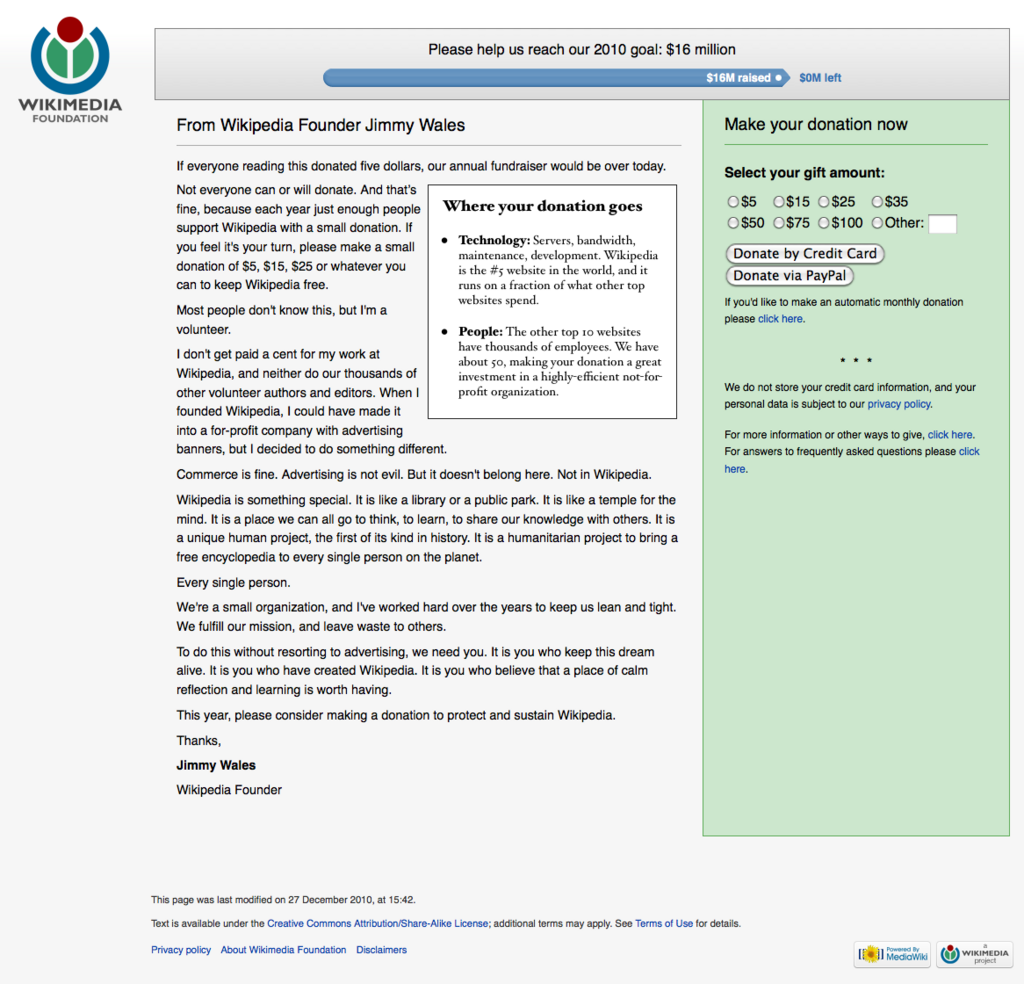
Landing Page vs. Home Page
A common point of confusion is the difference between a landing page and a home page. A home page is like the lobby of a building. It offers many doors (links) to different sections: 'About Us,' 'Products,' 'Contact,' 'Blog,' and more. Its purpose is to welcome visitors and help them navigate the entire site.
A landing page, on the other hand, is a private room with only one door and one purpose. It typically has minimal navigation, removing distractions to keep the visitor focused on the single call to action. Sending ad traffic to a home page is like dropping a customer in a busy mall and hoping they find the right store. Sending them to a landing page is like giving them a personal escort directly to the checkout counter.
| Feature | Home Page | Landing Page |
|---|---|---|
| Goal | Broad exploration | Single, focused action |
| Navigation | Full website menu | Minimal or no menu |
| Content | General overview of brand | Specific to one offer |
| Traffic Source | Various (direct, organic) | Often from paid ads |
Matching the Ad to the Page
The most critical principle for a successful landing page is message match. This means the message in the ad that a user clicks must align perfectly with the message on the landing page they arrive at. The headline, imagery, and offer should be consistent.
Imagine you click an ad for '50% off running shoes.' If the landing page you arrive on just shows a generic shoe store home page, you'd feel confused and likely leave. But if the page greets you with a big headline saying 'Your 50% Off Running Shoes Are Here!' you know you're in the right place.
This consistency builds trust and reassures visitors they've made a good click. It reduces friction and makes it much more likely that they will follow through with the desired action. When the ad's promise is immediately fulfilled on the landing page, conversion rates improve.
Instead of sending them to your home page and hoping for the best, send them to a landing page created specifically for your ad campaign — a landing page that includes the same language, imagery, value proposition, and call-to-action as your ad.
Now, let's test your understanding of these core concepts.
What is the primary purpose of a landing page?
True or False: Sending traffic from a specific product ad to your general home page is a best practice.
In short, landing pages are focused, powerful tools in a marketer's toolkit. They bridge the gap between an ad and an action, guiding potential customers smoothly toward a conversion.