High-Impact Pharmaceutical Sales Role Play Design and Facilitation
Understanding Role Plays
What Is Role-Playing?
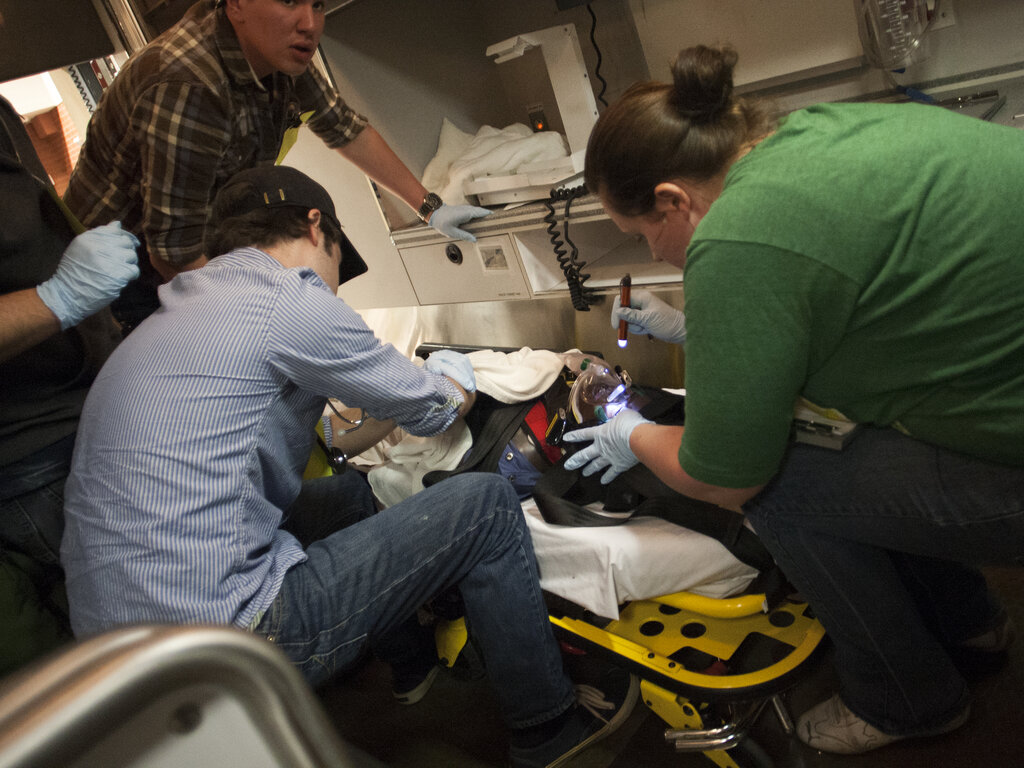
Role-playing in sales training is a structured practice session where you act out real-world scenarios. Think of it as a dress rehearsal for your job. One person plays the sales representative, and another plays the healthcare professional (HCP). The goal isn't to win an acting award, but to practice conversations before they happen with an actual client.
It’s a safe space to test out different approaches, refine your messaging, and handle tough questions without any real-world consequences. Just like an athlete runs drills or a musician practices scales, role-playing helps you build muscle memory for your sales conversations. You get to make mistakes, get feedback, and improve in a low-stakes environment.
The Benefits of Practice
The immediate benefit of role-playing is building confidence. Walking into a busy clinic or hospital can be intimidating. By practicing your conversations beforehand, you’ll feel more prepared and less anxious.
This structured practice also sharpens several key skills:
- Communication: You learn to articulate the benefits of a pharmaceutical product clearly and concisely. It helps you move beyond just listing facts and figures.
- Active Listening: Role-playing forces you to listen to the HCP's needs and concerns, rather than just waiting for your turn to speak.
- Adaptability: Not every conversation goes according to plan. Role-plays teach you to think on your feet and respond effectively to unexpected questions or objections.
Practice doesn't just make perfect. It makes you confident, adaptable, and ready for the real thing.
Use role-play, simulations, and case studies to create practical learning opportunities.
Getting into Character
One of the most powerful aspects of role-playing is the psychological shift it creates. When you step into the shoes of a busy doctor or a skeptical pharmacist, you start to see the world from their perspective. This builds empathy. You begin to understand their daily pressures, their priorities, and what they truly need from a pharmaceutical rep.
This empathetic mindset allows you to anticipate their concerns before they even voice them. Why might they be hesitant to prescribe a new drug? What clinical data is most important to them? By exploring these questions in a role-play, you learn to address potential barriers proactively and tailor your approach to each individual HCP.
Common Scenarios
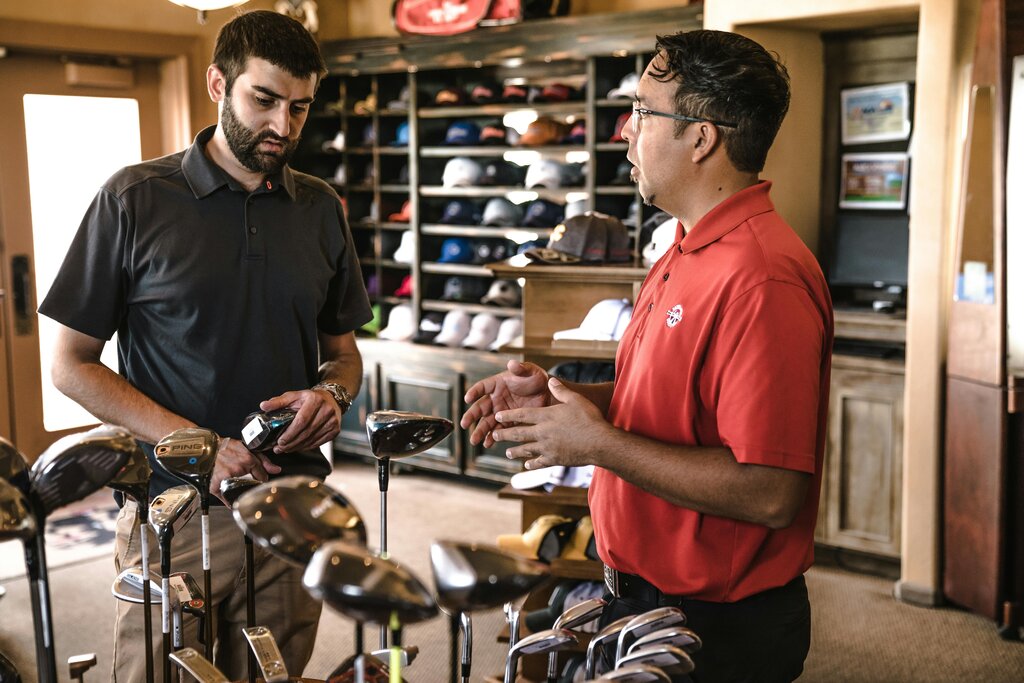
Role-plays in pharmaceutical sales can cover a wide range of situations. They aren't just about presenting a new drug. They can simulate many different, and sometimes difficult, parts of the job.
| Scenario | Objective |
|---|---|
| Introducing a New Drug | Practice delivering a clear, compelling message about a new product's benefits and clinical data. |
| Handling Objections | Learn to respond to common concerns about side effects, cost, or a competitor's product. |
| Securing Formulary Access | Simulate a meeting with a hospital's pharmacy and therapeutics (P&T) committee to get a drug approved for use. |
| Dealing with a Difficult HCP | Practice maintaining professionalism and finding common ground with a skeptical or time-pressed doctor. |
Each of these scenarios presents a unique challenge, and practicing them helps ensure you're prepared for whatever comes your way.
Let's check your understanding of role-playing.
What is the primary purpose of role-playing in pharmaceutical sales training?
The psychological shift that occurs during role-playing, where you see things from the HCP's perspective, primarily builds which quality?
By consistently using role-plays, sales representatives can turn theoretical knowledge into practical skill, building the foundation for successful, long-term relationships with healthcare professionals.