Hidden Figures of the Civil Rights Movement
Introduction to Civil Rights Movement
The Rules of Separation
After the Civil War, a promise of equality for newly freed African Americans was written into the Constitution. But this promise was quickly broken. By the late 1800s, a system of racial segregation known as Jim Crow became law, mostly in the South. The idea was to keep Black and white people separate in almost every aspect of life.
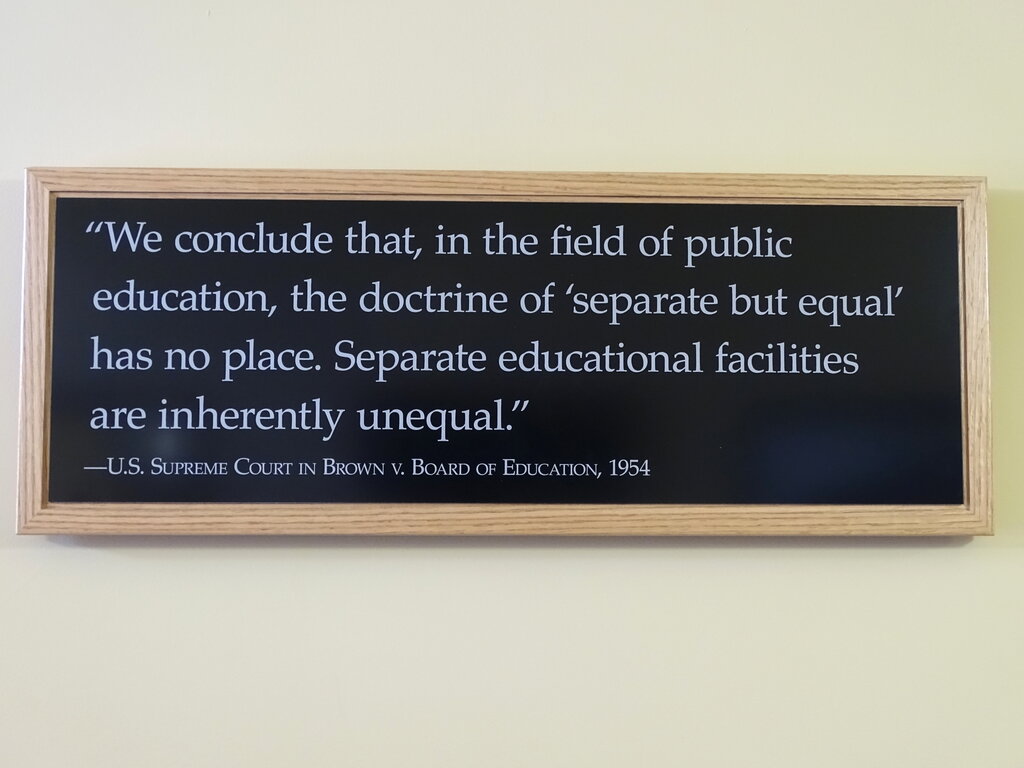
The legal justification for this was a doctrine called "separate but equal." In reality, the facilities and services for African Americans were almost always inferior.
These laws dictated where people could live, eat, go to school, and even drink water. Black citizens faced constant discrimination, economic hardship, and the threat of violence. This deeply unequal system was the backdrop for the rise of the Civil Rights Movement.
A Movement Takes Shape
For decades, African Americans resisted segregation in many ways. But the movement gained national momentum in the 1950s. One of the first major organized protests was the Montgomery Bus Boycott in 1955. It began after Rosa Parks, a respected community member, was arrested for refusing to give up her seat to a white man.
Her act of defiance sparked a city-wide boycott of the public bus system that lasted for over a year. The Black community of Montgomery organized carpools and walked miles to work, showing incredible unity and resolve. This event brought a young minister to national prominence: Dr. Martin Luther King Jr.
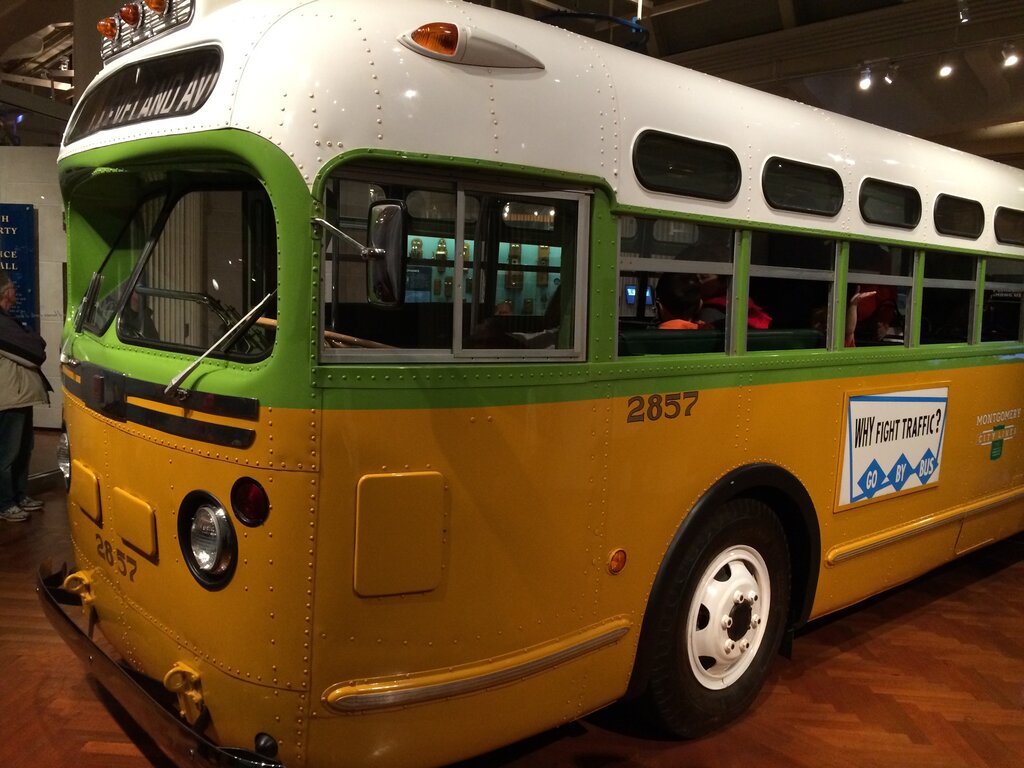
The boycott ended in victory when the Supreme Court ruled that segregation on public buses was unconstitutional. More importantly, it demonstrated the power of nonviolent mass protest, a strategy that would define much of the Civil Rights Movement. Dr. King's leadership, inspired by Mahatma Gandhi's philosophy of nonviolence, became central to the struggle for equality.
Key Battles for Equality
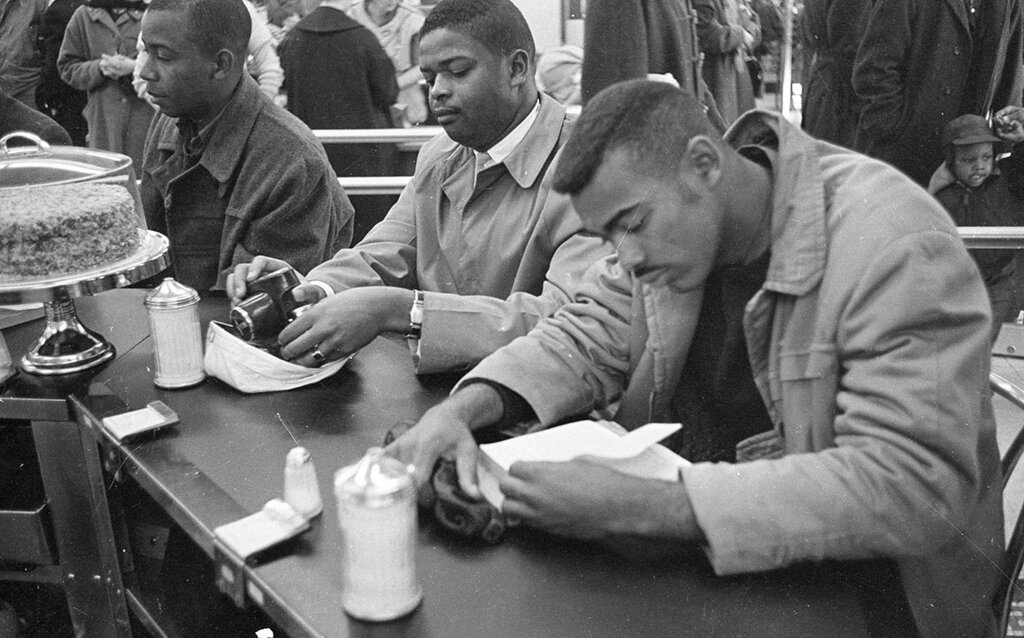
The success in Montgomery inspired a wave of activism across the country. Students led sit-ins at segregated lunch counters, where they would peacefully sit and wait to be served, often enduring harassment and arrest. Freedom Riders, both Black and white, rode interstate buses into the segregated South to challenge unenforced Supreme Court rulings.
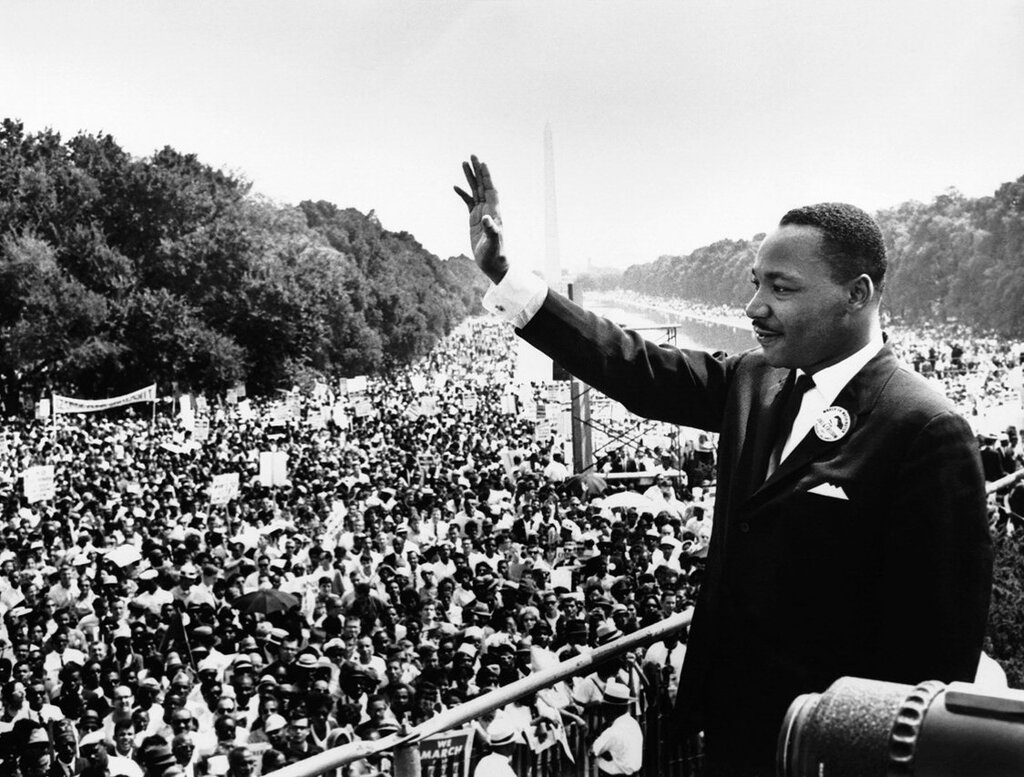
The movement reached a high point with the 1963 March on Washington for Jobs and Freedom. Over 250,000 people gathered at the Lincoln Memorial to demand civil and economic rights. It was here that Martin Luther King Jr. delivered his historic "I Have a Dream" speech, a powerful call for an end to racism.
Many leaders and organizations were crucial to the movement's success. Figures like John Lewis of the Student Nonviolent Coordinating Committee (SNCC) and organizations like the NAACP worked tirelessly, organizing protests, filing lawsuits, and registering voters. Their collective efforts pushed civil rights to the forefront of the national agenda.
The movement's pressure led to landmark legislation. President Lyndon B. Johnson, working with civil rights leaders, signed the Civil Rights Act of 1964, which outlawed discrimination, and the Voting Rights Act of 1965, which aimed to overcome legal barriers that prevented African Americans from exercising their right to vote.
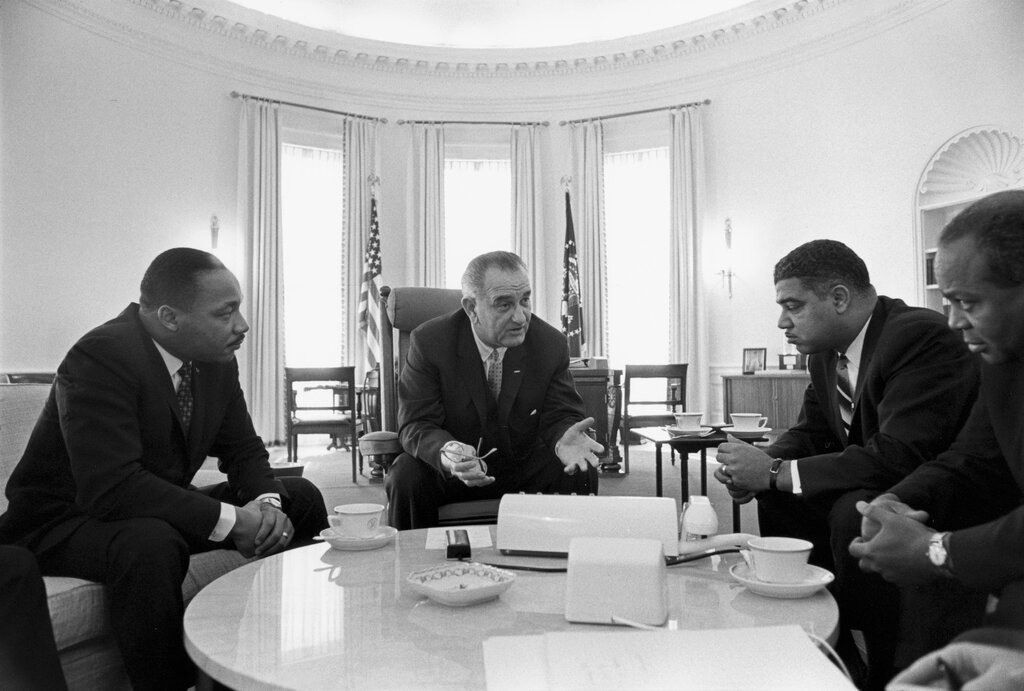
These victories were the result of years of struggle by countless individuals. Before we dive into the stories of some of the lesser-known figures, let's review the key concepts.
Now, let's test your knowledge.
What was the primary purpose of the Jim Crow laws established in the American South after the Civil War?
Which specific event was sparked by Rosa Parks's arrest in 1955, bringing Dr. Martin Luther King Jr. to national prominence?
The Civil Rights Movement was a complex, decades-long struggle fought by many people in many different ways. The events and leaders mentioned here are just a starting point for understanding this pivotal era in American history.