Herpetology of Costa Rica
Regional Hotspots and Ecosystems
A Land of Microclimates
Costa Rica's incredible biodiversity isn't just a matter of luck. It's a direct result of its unique geography. Squeezed between two oceans and split by a mountainous spine, the country is a mosaic of distinct ecological regions, each with its own climate, vegetation, and unique assembly of life.
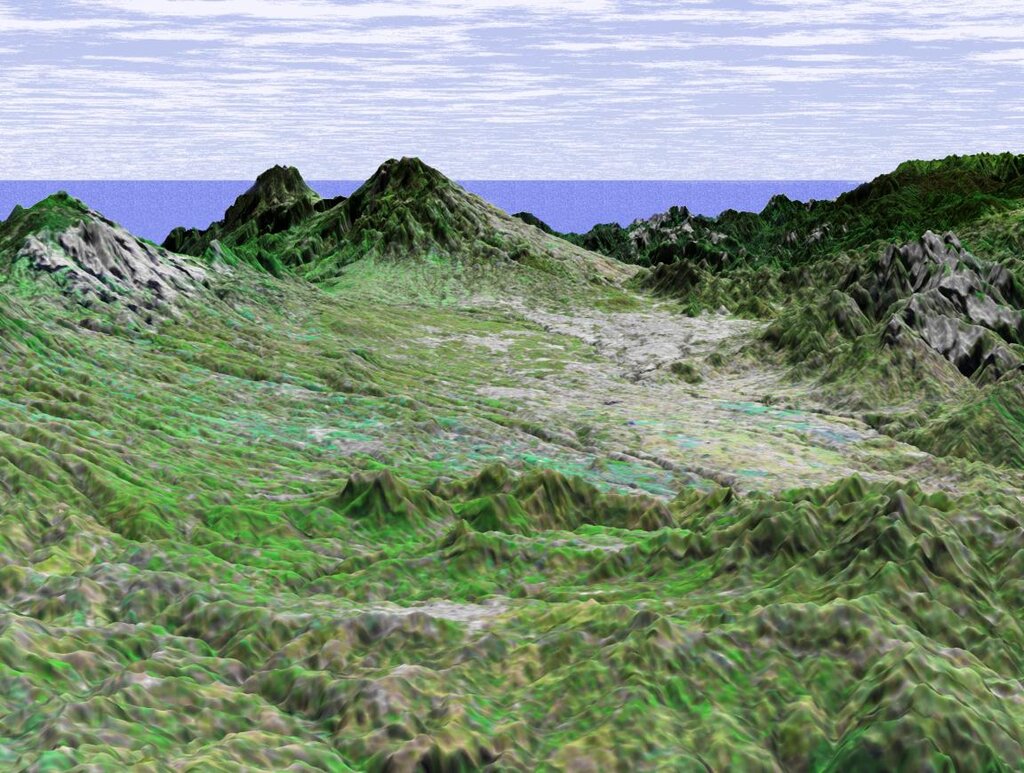
To understand the distribution of reptiles and amphibians (herpetofauna), we first need to look at these major zones: the wet Caribbean lowlands, the drier Pacific slopes, and the cool Central Highlands. The interactions between these regions create a complex environmental stage where evolution has produced a stunning cast of characters.
Coasts and Highlands
The country’s continental divide is the primary driver of its climatic variation. Trade winds from the Caribbean Sea carry moisture inland, but they are forced upward by the central mountain ranges. As the air rises and cools, it releases its moisture as heavy, consistent rainfall on the Atlantic slope. This creates the lush, hyper-humid environment of the Caribbean lowlands.
Once the air passes over the mountains, it descends onto the Pacific side, now much drier. This phenomenon, known as a rain-shadow effect, is most pronounced in the northwestern province of Guanacaste, which is characterized by tropical dry forests. These forests experience a distinct dry season, and many trees lose their leaves, creating a starkly different habitat from the evergreen rainforests across the divide.
This fundamental climatic split dictates species distribution. Many genera of frogs and snakes are restricted to either the Atlantic or Pacific slopes, unable to cross the mountainous barrier or adapt to the different conditions on the other side. The Central Highlands themselves form a third major region, with cooler, misty cloud forests that host species adapted to high altitudes and constant humidity, distinct from the lowland rainforests below.
Classifying the Ecosystems
To systematically map this diversity, ecologists use frameworks like the Holdridge Life Zone system. This model classifies land areas based on biotemperature, precipitation, and humidity. Despite its small size, Costa Rica contains at least 12 of these distinct life zones, ranging from Tropical Dry Forest to Montane Rain Forest. Each zone supports a predictable suite of species adapted to its specific conditions.
| Life Zone | Key Features | Representative Herpetofauna |
|---|---|---|
| Tropical Dry Forest | Pronounced dry season, deciduous trees | Ctenosaura similis (Black spiny-tailed iguana) |
| Tropical Wet Forest | >4000mm annual rain, evergreen | Oophaga pumilio (Strawberry poison-dart frog) |
| Premontane Rain Forest | High elevation, cool, cloud cover | Bothriechis schlegelii (Eyelash viper) |
Knowing a region's life zone allows biologists to predict the richness and composition of its herpetofauna. For example, the family richness of salamanders peaks in the high-elevation cloud forests, while poison-dart frogs thrive in the immense humidity of the lowland wet forests.
Key Biodiversity Hotspots
Within these broad regions are several world-renowned biodiversity hotspots, areas with exceptionally high concentrations of endemic species.
Osa Peninsula: Located on the southern Pacific coast, this area is often called the most biologically intense place on Earth. It is covered in Tropical Wet Forest, receiving moisture from the Pacific and hosting a staggering diversity of life, including unique populations of species like the Black-headed Bushmaster snake.
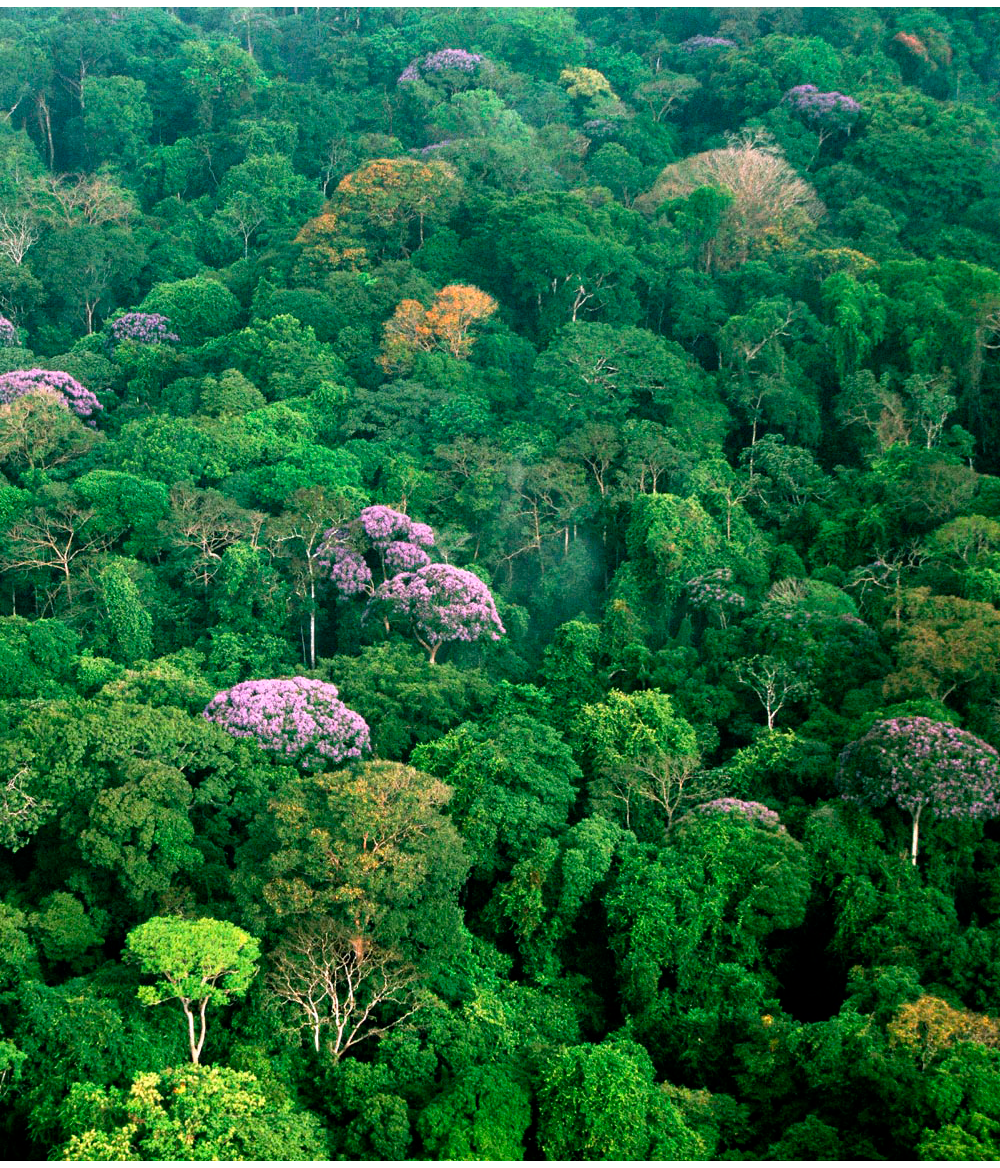
Tortuguero: This network of wetlands and rainforests on the northern Caribbean coast is a crucial nesting site for sea turtles, including the endangered Green sea turtle. Its aquatic and terrestrial habitats support a huge number of species, from caimans and river turtles to arboreal frogs.
Monteverde: Perched in the Talamanca mountain range, the Monteverde region is the epitome of a cloud forest. The constant mist and high humidity create a unique ecosystem dripping with epiphytes, mosses, and ferns. It's a hotspot for amphibians, although it is also famous as the site where the Golden Toad (Incilius periglenes) mysteriously vanished.
Finally, the country's extreme elevation gradients, from sea level to the 3,820-metre peak of Cerro Chirripó, create distinct vertical life zones. As you ascend a mountain, the temperature drops and the habitat changes, creating niches for highly specialized species. A frog living in the cool, mossy forest at 2,500 metres may be genetically distinct from a close relative in the hot, humid lowlands just a few kilometres away. This vertical separation is a powerful engine for generating new species.
Ready to test your knowledge of Costa Rica's ecological zones?
What is the primary reason for the distinct dry season experienced in Costa Rica's northwestern province of Guanacaste?
The Holdridge Life Zone system classifies land areas using which three primary variables?
Understanding these geographic and climatic patterns is the key to unlocking the secrets of Costa Rica's exceptional herpetological diversity. Each region, slope, and mountain peak tells a different part of the story.