Heroic Fantasy World Building
Magic and Society
Magic as the Engine of Society
In a world woven with magic, spells and incantations are more than just tools for adventure. They are the gears of civilisation, shaping economies, laws, and social structures. When magic is treated as a rational force with its own rules of supply and demand, it behaves much like any other resource, from electricity to oil.
Consider the source of this power. Is magic an innate talent, like perfect pitch? If so, a magical aristocracy might form, with power concentrated in the hands of a few bloodlines. Is it a skill that can be learned through rigorous study at academies? This creates a meritocracy of mages, where knowledge is power and tuition fees are a significant barrier. Or perhaps magic is granted by divine beings, giving rise to powerful religious institutions that act as the sole conduits of supernatural ability.
Each model creates a different kind of world. In a society where only the rich can afford magical training, a simple healing spell could cost a fortune, creating a stark divide between the long-lived wealthy and the vulnerable poor. Conversely, if magic flows from the natural world and is accessible to all who learn its ways, it might foster a more egalitarian society. The availability, cost, and source of magic are the foundational pillars that determine who holds power and how society organises itself.
Hard Rules, Hard Realities
Having clear magical rules is so important to help readers both understand your magic system and for them to find it compelling and interesting.
The distinction between hard and soft magic systems is crucial when building a society. Hard magic systems operate with clear, consistent rules, almost like a form of science. Soft magic is mysterious, unpredictable, and less understood. While both can be compelling, their societal impacts are vastly different. A world with hard magic often integrates it in ways that mirror our own relationship with technology.
| Feature | Hard Magic Society | Soft Magic Society |
|---|---|---|
| Economy | Magic is a commodity; industries form around it (e.g., potion brewing, enchantment services). | Magic is rare and unpredictable; its economic impact is erratic and often disruptive. |
| Governance | Laws regulate magic use; magical abilities are licensed and taxed. | Rule is often maintained by fear of the unknown; mages are either revered as prophets or hunted as abominations. |
| Warfare | Battle mages are standard military units with defined roles, like magical artillery. | A single, powerful sorcerer might be a 'weapon of last resort,' their power terrifying but unreliable. |
| Daily Life | Mundane tasks are automated by simple spells (e.g., self-sweeping brooms, ever-warm hearths). | The average person has little to no interaction with magic, viewing it with superstition and awe. |
Imagine a world where teleportation is a reliable, established form of magic. Trade routes that once relied on ships and caravans become obsolete overnight. Port cities might collapse into ghost towns, while new economic centres spring up around major teleportation hubs. Nations would need to invent magical wards to protect their borders from instant invasion, fundamentally changing the nature of sovereignty and defence. Magic isn't just an addition to the world; it reshapes the map entirely.
The Law of Magic
When magic can alter reality, raise the dead, or compel the mind, society must respond with laws and regulations. The existence of magic forces a society to grapple with unique ethical and legal questions. A legal system in a magical world would look very different from our own.
How can you have a fair trial when a witness's memory might have been magically altered? Is an enchanted object that causes harm a faulty product or a murder weapon?
Religious institutions would be profoundly affected. If necromancy is a demonstrable reality, how does that influence beliefs about the afterlife? A religion might ban it as a perversion of the natural order, creating a class of heretical 'death-mages' who operate in the shadows. Alternatively, a state-sanctioned religion might institutionalise necromancy, using it to consult with ancestral spirits for guidance. In this way, the rules governing magic become intertwined with a culture's deepest moral and spiritual values.
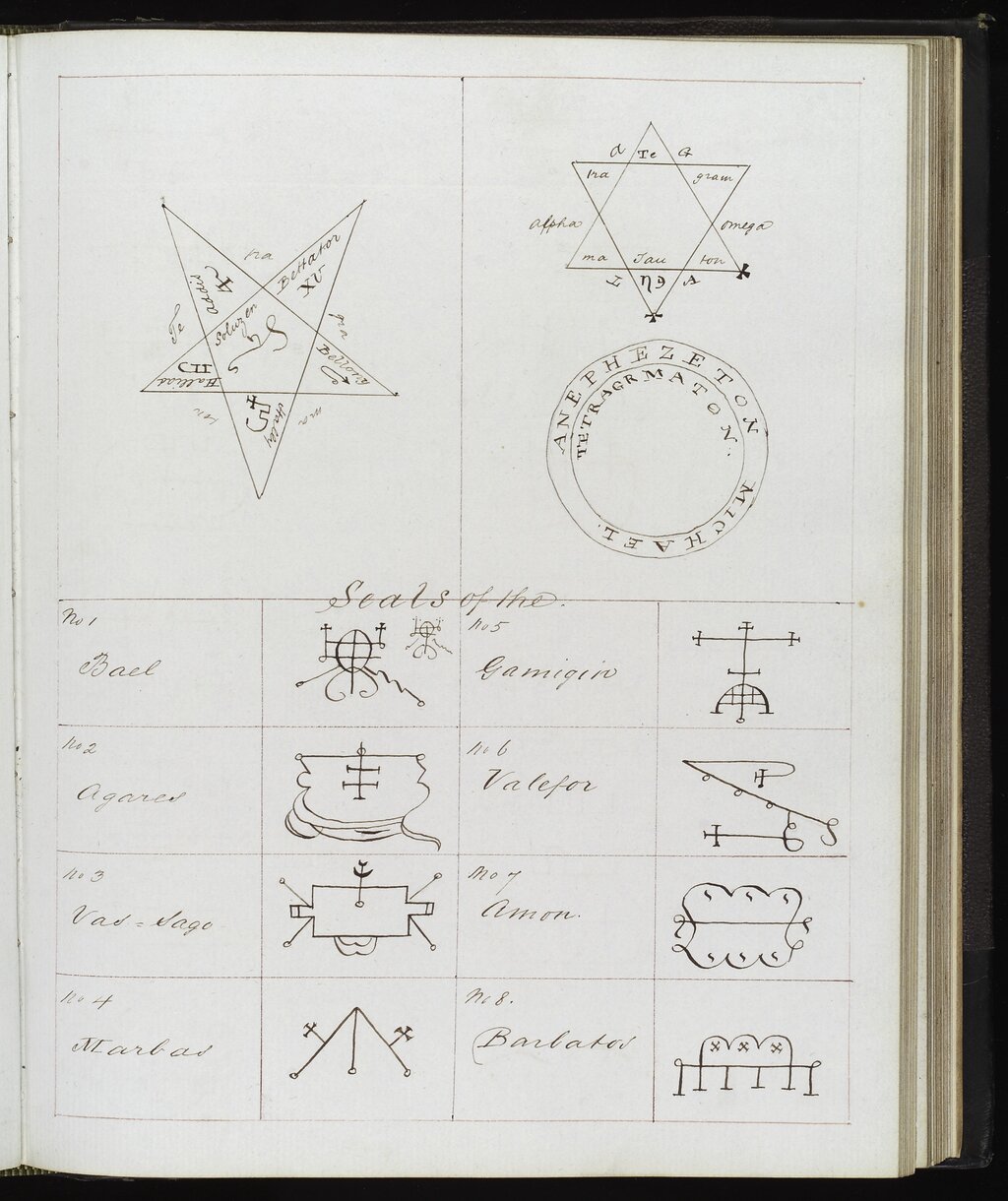
These constraints do more than just limit what mages can do; they create conflict, drive innovation, and define the very character of the world. A prohibition on fire magic in a city built of wood makes perfect sense, but it also creates a black market for pyromancers. A law requiring all mages to register with the state is a public safety measure, but it's also a tool for oppression. The limitations of magic are often more interesting than its possibilities.
Now, let's test your understanding of how magic shapes society.
If magic is an innate talent passed down through specific bloodlines, what societal structure is most likely to emerge?
In a world with a reliable and established teleportation magic system, what is a likely economic consequence?
By understanding magic not as a fantasy element but as a societal force, we can create worlds that feel logical, consistent, and deeply real.