Herbalism for the Scientific Mind
Introduction to Herbalism
A Living Tradition
Long before recorded history, people looked to the plants around them for food, shelter, and medicine. This intimate relationship with the natural world is the root of herbalism, making it one of the oldest forms of healing. Every culture, on every continent, developed its own unique system of plant-based medicine, passed down through generations.
This knowledge wasn't just about treating sickness. It was a deep understanding of the local environment, recognizing the seasons, and knowing which plants could support health in different ways. From the Amazon rainforest to the Siberian tundra, communities built vast stores of wisdom about the healing properties of their native flora.
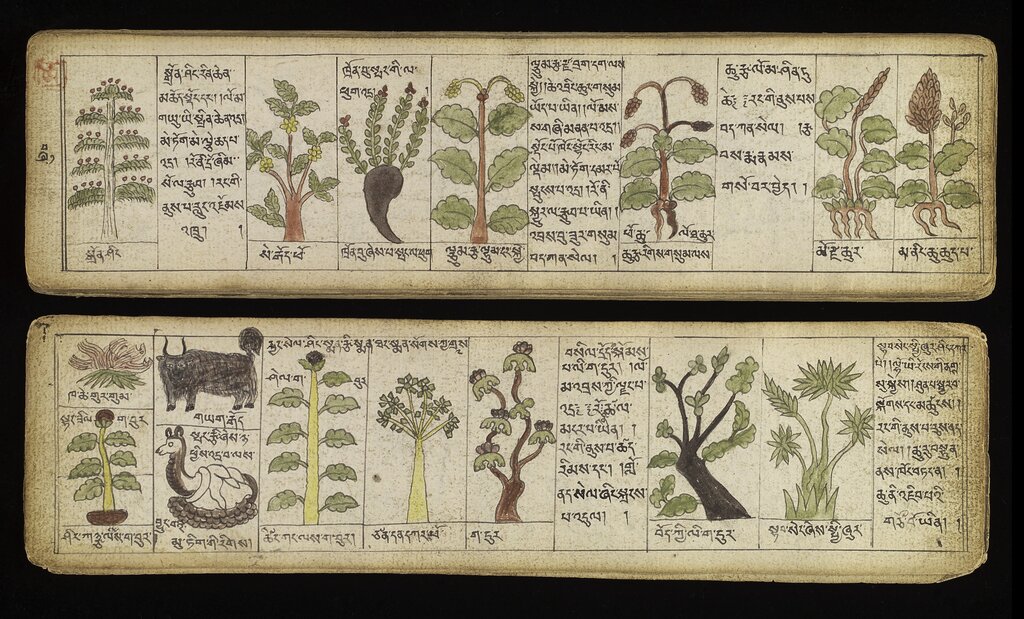
Early humans relied on their knowledge of plants not only for sustenance but also for medicinal purposes and spiritual practices.
These traditions weren't static. They evolved over centuries, shaped by observation, trial and error, and shared experience. Great healing systems like Traditional Chinese Medicine (TCM) and Ayurveda from India are examples of highly structured, sophisticated forms of herbalism that are still practiced today.
Then and Now
How does this ancient wisdom fit into our modern world? Today, herbalism bridges the gap between traditional practice and contemporary science.
Traditional herbalism often takes a holistic view. It considers the whole person—body, mind, and spirit—and seeks to restore balance rather than just treating symptoms. It relies on knowledge that has been refined and passed down for centuries.
Modern herbalism integrates this traditional wisdom with scientific research. We now have the tools to study plants at a molecular level. This field of study helps us understand how and why certain herbs work.
Phytochemistry
noun
The study of phytochemicals, which are the chemical compounds produced by plants. It involves identifying the active constituents in plants responsible for their medicinal effects.
Science can validate traditional uses, identify active compounds, determine effective dosages, and ensure safety. This allows for a more precise and evidence-based approach to using plant medicines. The goal isn't to replace traditional knowledge but to enrich and complement it.

Plants and People
The importance of plants goes far beyond their chemical makeup. In many societies, medicinal plants are deeply woven into the cultural fabric. They feature in ceremonies, rituals, and spiritual practices, connecting people to their heritage, their environment, and their community.
The relationship between people and plants is the focus of a specific field of study.
Ethnobotany
noun
The scientific study of the relationships that exist between peoples and plants. It explores how plants are used for things like food, medicine, and cultural rituals.
This cultural context is vital. It reminds us that a plant isn't just a collection of active compounds; it's part of a living ecosystem and a long human story. Understanding this connection helps us appreciate the true value of herbal traditions.
A Place in Healthcare
In today's world, herbalism plays a role in what is often called integrative or complementary medicine. It's not about choosing between conventional medicine and herbal remedies, but about using them together in a thoughtful way.
Many people turn to herbalism for maintaining general wellness, managing chronic conditions, or addressing issues that conventional medicine may not fully resolve. For instance, herbs might be used to support digestion, improve sleep, or reduce stress.
It's important to approach herbalism with knowledge and respect. Many modern pharmaceuticals, including aspirin and certain cancer drugs, were originally derived from plants. The same compounds that give herbs their healing power can also cause side effects or interact with other medications.
Always consult with a qualified healthcare provider or a trained herbalist before starting any new herbal regimen. They can help you make safe and informed choices that are right for your individual health needs.
As you continue your journey, you'll learn more about the specific plants and preparations that form the heart of this practice. For now, it's enough to appreciate herbalism as a rich, living tradition that connects ancient wisdom with modern science.