Herbal Approaches to Lyme Disease
Introduction to Lyme Disease
An Unseen Intruder
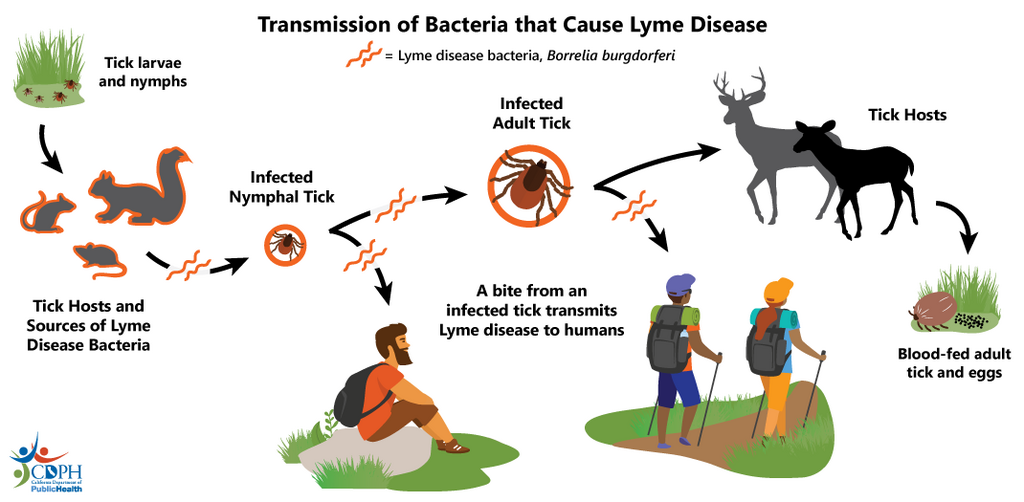
Lyme disease is an infection caused by a spiral-shaped bacterium called Borrelia burgdorferi. It’s the most common vector-borne disease in the United States, transmitted to humans not through the air or by touch, but through the bite of an infected tick.
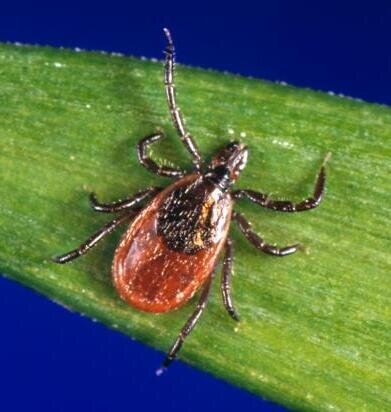
Specifically, it’s the black-legged tick, often no bigger than a poppy seed in its immature nymph stage, that is the main culprit. These ticks pick up the bacteria by feeding on infected animals like mice and squirrels, and then pass it on to their next host, which could be a deer, a dog, or a person.
Spotting the Signs
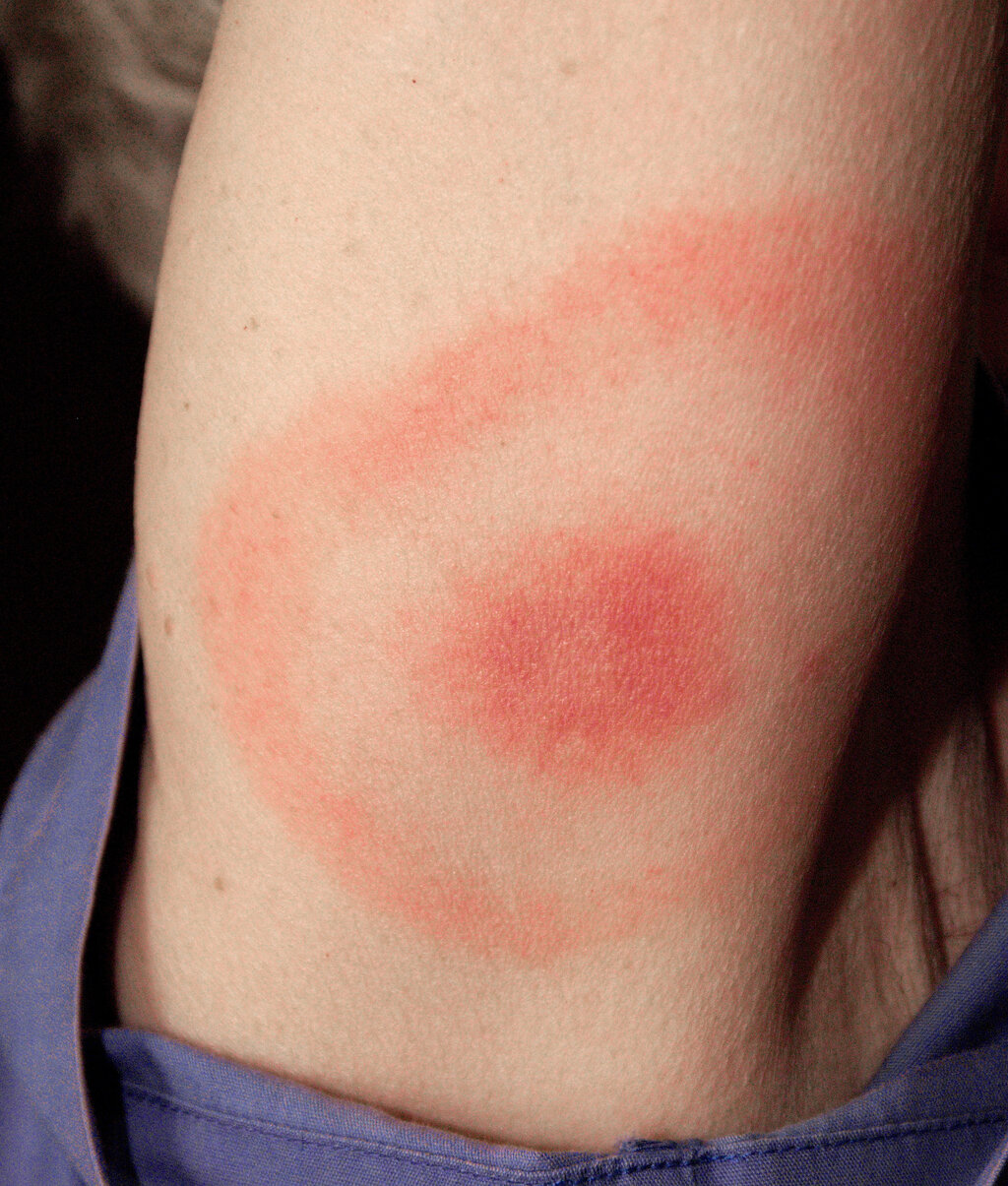
In the early days after a bite, Lyme disease can feel a lot like the flu. People often experience fever, chills, fatigue, muscle aches, and joint pain. For many, but not all, a tell-tale rash appears a few days to a month after the bite. This rash, called Erythema migrans, often starts as a red spot that expands over time, sometimes clearing in the middle to form a distinctive “bull's-eye” pattern.
Without the rash, early diagnosis can be tricky because the symptoms are so general. If left untreated, the infection doesn't just go away. The bacteria can spread from the site of the bite through the bloodstream to other parts of the body.
If Lyme disease is not diagnosed and treated early, the spirochetes can spread and may go into hiding in different parts of the body.
Weeks or months later, this can lead to more serious and widespread problems, including severe joint pain and swelling (especially in the knees), neurological issues like Bell's palsy (a temporary paralysis of one side of the face), meningitis, and even heart problems such as palpitations or an irregular heartbeat.
Diagnosis and Treatment
Diagnosing Lyme disease is often a clinical judgment call based on your symptoms and whether you've likely been exposed to ticks. Blood tests can help, but they have limitations. The tests look for antibodies your body makes in response to the infection, not the bacteria itself. It can take several weeks for your body to produce enough antibodies to be detected, so tests done too early can give a false negative result.
In order for the Centers for Disease Control (CDC) to recognize a Lyme case for surveillance purposes, there must be “objective” findings, such as positive blood tests, Bell’s palsy or joint swelling (even though Lyme blood tests are unreliable and the CDC’s accepted “objective” indicators are not common).
When Lyme disease is caught early, a few weeks of oral antibiotics, like doxycycline, is usually effective at clearing the infection and preventing complications.

However, some patients experience persistent symptoms like fatigue, pain, or cognitive issues that last for months or even years after treatment. This condition is sometimes called Post-Treatment Lyme Disease Syndrome (PTLDS). The cause isn't fully understood, and its existence and treatment are subjects of debate in the medical community.
There is significant controversy in science, medicine, and public policy regarding Lyme disease.
Beyond Antibiotics
For those dealing with persistent symptoms, some turn to complementary or alternative therapies to help manage their health. These can range from dietary changes and supplements to herbal remedies. While some people find relief with these approaches, it's crucial to understand they are not substitutes for conventional medical care and are often not backed by rigorous scientific evidence.
Before starting any new treatment, complementary or otherwise, it is essential to talk to a qualified healthcare professional. They can help you understand the potential benefits and risks, ensure it won’t interfere with other treatments you’re receiving, and help you make safe, informed decisions about your health.
Ready to check your understanding?
What is the primary way a person can contract Lyme disease?
A distinctive "bull's-eye" rash is a common early sign of Lyme disease. What is the medical name for this rash?
Lyme disease presents a complex challenge, from its subtle early signs to the lingering symptoms some people face. Understanding its transmission, symptoms, and treatment options is the first step in navigating this illness.