Hepatitis C Explained
Introduction to Hepatitis C
What Is Hepatitis C?
Hepatitis C is an infectious disease caused by the Hepatitis C virus, or HCV. The virus primarily targets the liver, causing inflammation. If left untreated, this inflammation can lead to serious, long-term health problems.
Hepatitis
noun
Inflammation of the liver. The term comes from the Greek word for liver, hepar, and the suffix -itis, which means inflammation.
The liver is one of the body's largest and most vital organs, responsible for filtering toxins from the blood, aiding digestion, and storing energy. When the liver is inflamed, it can't perform these crucial jobs effectively.
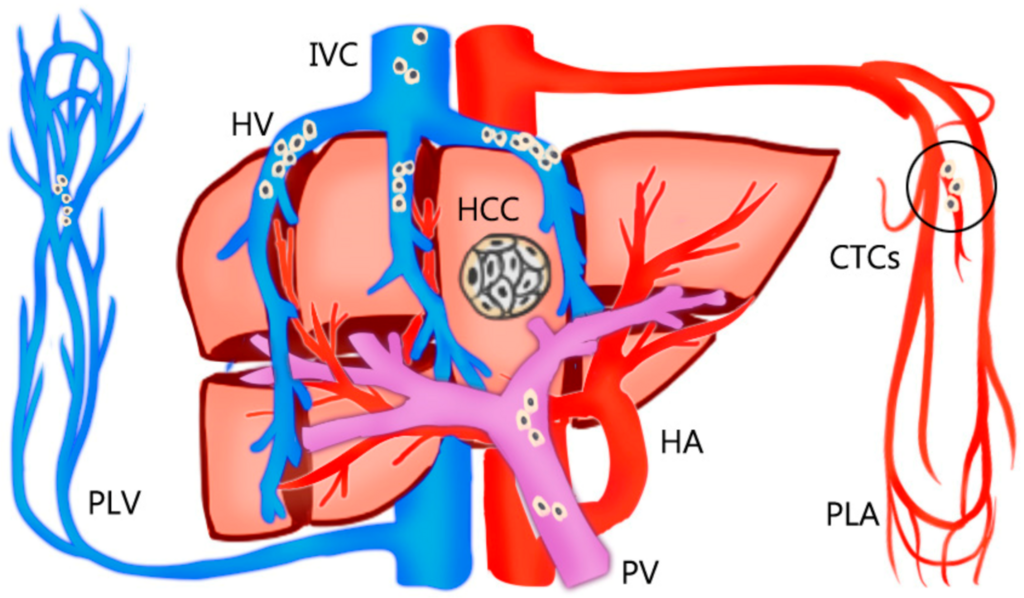
HCV is a bloodborne virus, meaning it spreads through contact with infected blood. This is a key detail that will be important when we later discuss how the virus is transmitted.
A Global Health Issue
Hepatitis C is a widespread problem. The World Health Organization (WHO) estimates that tens of millions of people have a chronic HCV infection globally. Many people are unaware they have the virus because it often doesn't cause symptoms for years or even decades.
This silent nature makes HCV a significant public health concern. Chronic infections are a leading cause of liver cirrhosis (scarring of the liver) and liver cancer, contributing to hundreds of thousands of deaths each year worldwide.
Inside the Virus
To understand how Hepatitis C affects the body, it helps to know a little about the virus itself. HCV belongs to a family of viruses called Flaviviridae. This family also includes the viruses that cause West Nile fever and yellow fever.
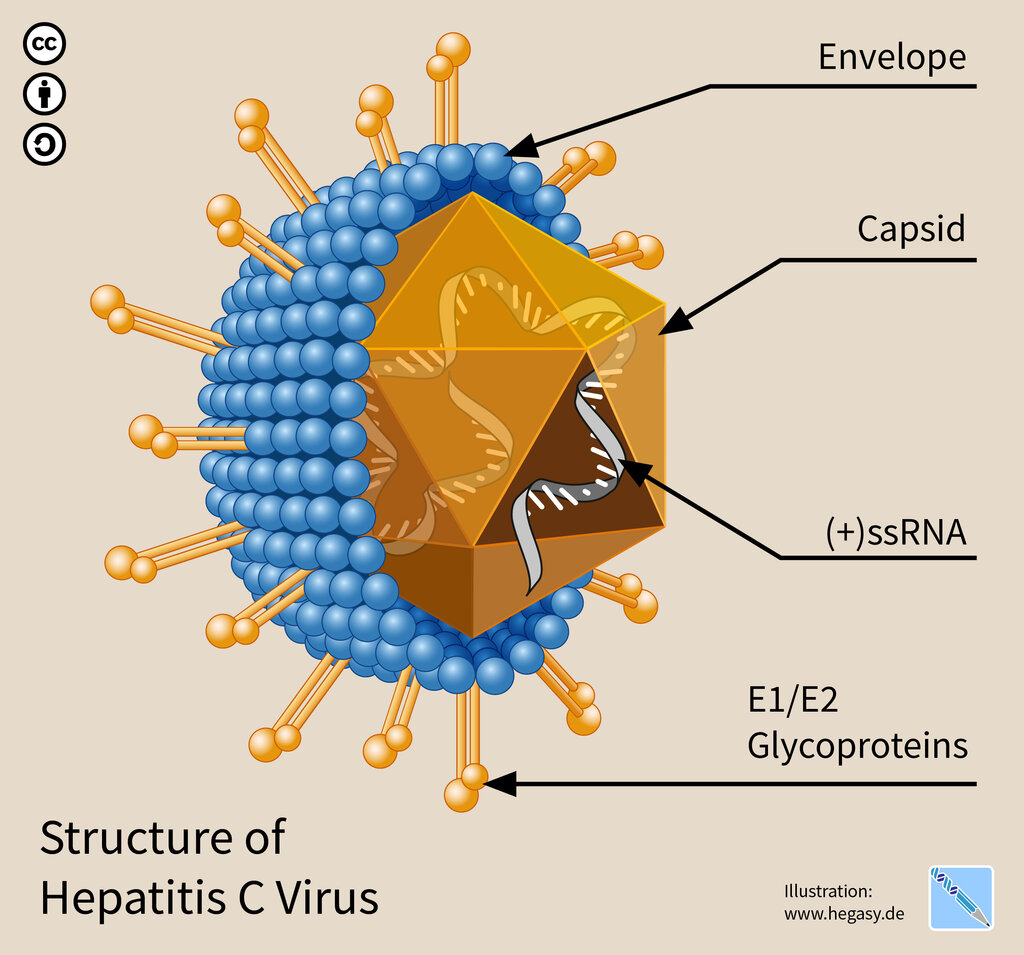
Like many viruses, HCV is incredibly small and has a relatively simple structure. It's essentially a tiny package of genetic material wrapped in protective layers. The outer layer is a fatty membrane called an envelope, studded with proteins that help it attach to liver cells. Inside the envelope is a protein shell called a capsid, which protects the virus's genetic core.
The core of the virus contains its genome, which is a single strand of ribonucleic acid, or RNA. This RNA molecule is like a blueprint, carrying all the instructions the virus needs to make copies of itself.

The HCV genome is very compact. It contains genes for "structural" proteins, which form the physical body of new virus particles, and "non-structural" proteins, which are enzymes and other tools that hijack the host cell's machinery to replicate the viral RNA. Once a virus gets inside a liver cell, it uses these instructions to turn the cell into a virus-making factory. Understanding this structure is the first step toward understanding how HCV operates and how it can be treated.