Hemostasis and Anticoagulation Explained
Introduction to Hemostasis
How Your Body Stops Bleeding
A small paper cut might seem trivial, but without a quick and effective response system, even minor injuries could be dangerous. Your body has a remarkable process called hemostasis to prevent and stop bleeding, ensuring that a tiny breach in a blood vessel doesn't turn into a major problem. It’s a rapid, highly coordinated effort to plug the leak and begin repairs.
hemostasis
noun
The physiological process that stops bleeding at the site of an injury, while maintaining normal blood flow elsewhere in the circulation.
Hemostasis unfolds in three main stages: a vascular spasm, the formation of a platelet plug, and finally, the creation of a durable blood clot through a process called coagulation. Think of it as an emergency response team with three specialized units.
The First Response
The very first thing that happens when a blood vessel is cut is a vascular spasm. The smooth muscle in the wall of the damaged vessel contracts forcefully. This sudden constriction, or narrowing, of the vessel is an immediate reflex. It’s like pinching a leaky garden hose to reduce the flow of water.
This spasm instantly slows down blood loss from the damaged area. It’s a crucial first step that buys valuable time for the next stages of hemostasis to get underway. The effect can last for several minutes to hours, depending on the severity of the injury.
While the vessel is constricted, the next phase begins.
Building a Temporary Plug
Floating in your blood are millions of tiny cell fragments called platelets. They are the body's first responders for internal repairs. Normally, they circulate smoothly without sticking to the vessel walls.
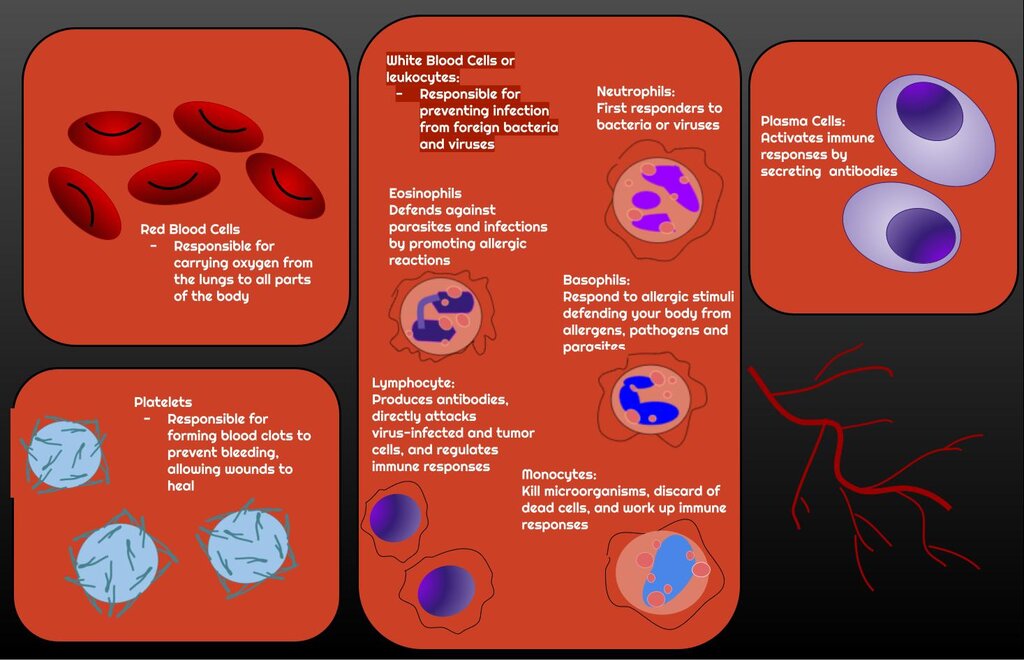
However, when a blood vessel wall is damaged, it exposes underlying collagen fibers, a protein that is usually hidden from the bloodstream. This exposed collagen acts like a distress signal for platelets.
Upon contacting collagen, platelets become activated. They change shape, growing spiky extensions, and become incredibly sticky. They adhere firmly to the exposed collagen and to each other, beginning to form a barrier at the site of the injury.
Activated platelets also release chemical signals that attract more platelets to the scene. This process, a positive feedback loop, rapidly builds up a mass of platelets that forms a temporary seal called a platelet plug.
This plug is effective at stopping or slowing minor bleeding, but it’s not very strong. For more serious injuries, a more robust solution is needed. That’s where the final stage, coagulation, comes in.
Making a Strong Seal
Coagulation is the process of forming a blood clot. It’s a complex chain reaction involving a group of proteins in the blood called clotting factors. This series of events is known as the coagulation cascade.
The coagulation cascade is a series of enzymatic reactions that result in the formation of a fibrin clot to stop bleeding.
Think of it like a set of dominoes. The injury triggers the first clotting factor, which in turn activates the next, and so on, in a precise sequence. Each step amplifies the response, ensuring a rapid and powerful reaction right where it's needed.
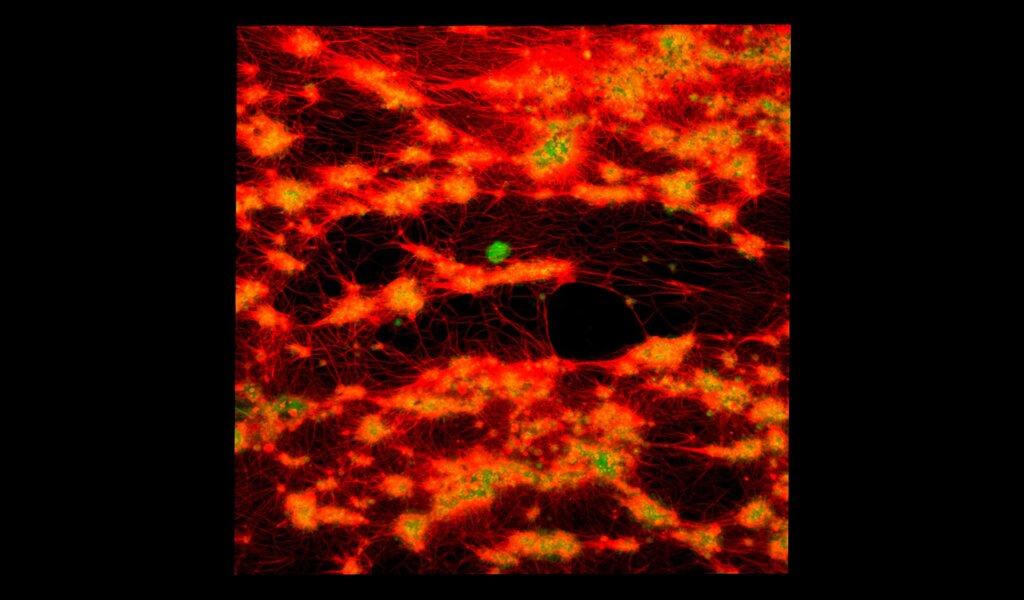
The ultimate goal of this cascade is to convert a soluble protein in the blood, called fibrinogen, into an insoluble protein called fibrin. Fibrin strands form a mesh-like net that traps platelets and red blood cells. This mesh is the framework of the blood clot.
This fibrin mesh reinforces the initial platelet plug, creating a strong, stable seal that effectively stops the bleeding and allows the vessel wall to begin healing. It's like weaving rebar into concrete to give it strength.
Together, these three stages—vascular spasm, platelet plug formation, and coagulation—form a highly effective system for maintaining the integrity of our circulatory system. It’s a process that is constantly ready to spring into action to protect us from blood loss.
Let's check your understanding of these concepts.
What is the correct sequence of events in hemostasis after a blood vessel is injured?
The initial response to a blood vessel injury is a vascular spasm, where the smooth muscle in the vessel wall ______.