HemoSphere-Flotrac Hemodynamic Monitoring
Hemodynamic Monitoring Basics
The Heart's Dashboard
Hemodynamic monitoring is essentially looking at the vital statistics of the cardiovascular system. It’s how clinicians check the performance of the heart and blood vessels. Think of it as a car's dashboard. Instead of speed and fuel, it shows blood pressure, blood flow, and how much oxygen is getting to the body's tissues. For critically ill patients, this information is crucial. It helps doctors and nurses understand what’s going wrong and how to fix it, guiding treatments like giving fluids or medications to support the heart.
At its core, hemodynamic monitoring helps answer a simple question: Is the body getting the blood and oxygen it needs to function?
Key Performance Indicators
To understand hemodynamics, we focus on a few key measurements. They work together to paint a picture of cardiovascular health.
Cardiac Output
noun
The total volume of blood the heart pumps in one minute. It's the primary indicator of how well the heart is doing its job of circulating blood.
Cardiac output (CO) is determined by two other factors: how much blood is pumped with each beat, and how many times the heart beats per minute.
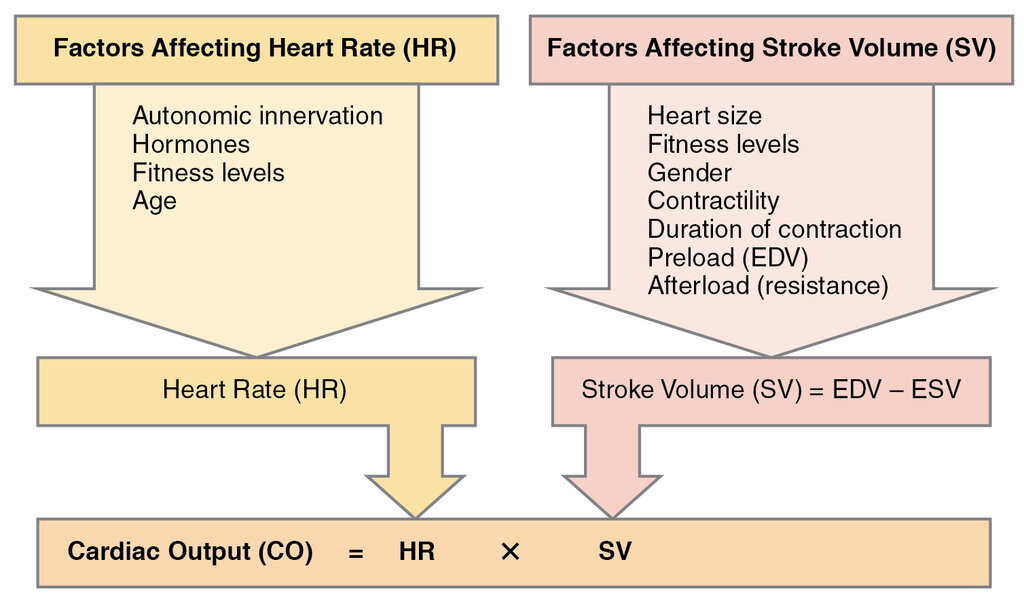
The final key parameter is systemic vascular resistance (SVR). This is the resistance or pressure the heart must overcome to push blood through the body. You can think of it like the nozzle on a garden hose. A narrow nozzle creates high resistance, forcing the pump (your heart) to work harder. SVR is influenced by how constricted or dilated the blood vessels are.
How We Measure
There are two main approaches to gathering this data: invasive and non-invasive. Each has its place.
Invasive techniques involve placing a monitoring device directly inside the body, usually within a major artery or vein. A common example is a pulmonary artery catheter. These methods give highly accurate, continuous data, which is essential for managing very unstable patients. However, they carry risks like infection and bleeding.
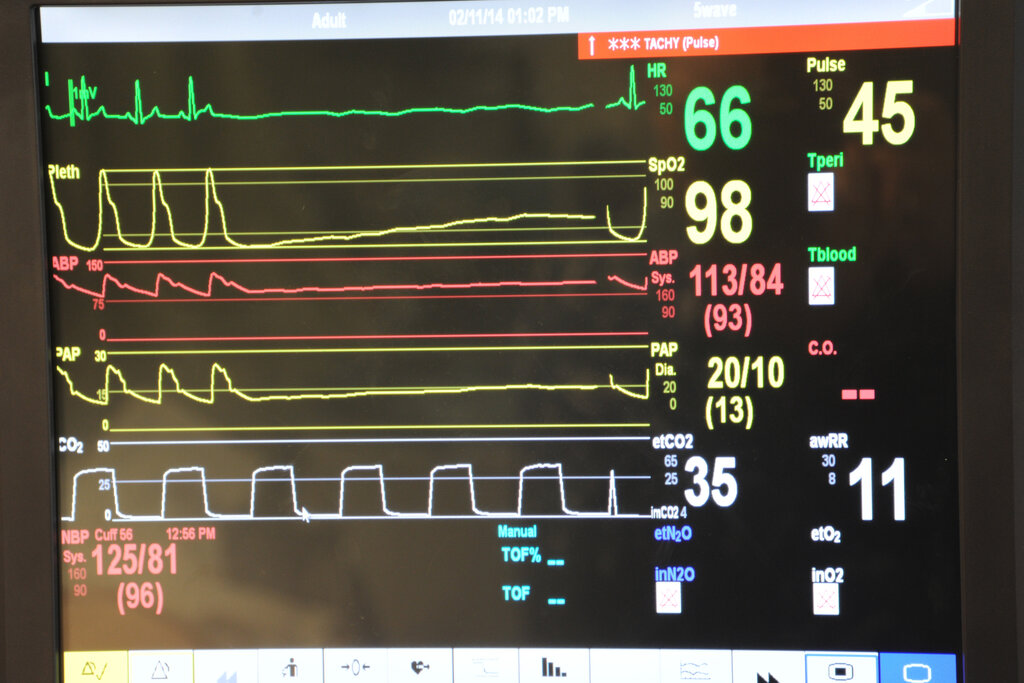
Non-invasive techniques measure hemodynamics from outside the body. This includes familiar tools like a blood pressure cuff or a pulse oximeter clipped to a finger. Other advanced non-invasive methods use special sensors on the skin. These are much safer and easier to apply but may be less precise than invasive methods, especially when a patient's condition is changing rapidly.
| Method | Advantages | Limitations |
|---|---|---|
| Invasive | Highly accurate, continuous data, detailed measurements | Risk of infection and bleeding, requires skilled placement |
| Non-invasive | Safe, easy to use, lower risk of complications | Can be less accurate, may not provide continuous data |
Choosing the right monitoring method depends on the patient's condition. The goal is always to get the most accurate information possible with the least amount of risk. This foundational knowledge is the first step in understanding how advanced systems help care for the critically ill.