Hello World Basic Greetings
Understanding Greetings
More Than Just Hello
A greeting is the first bridge you build between yourself and another person. It’s a simple signal that says, “I see you, and I’m open to connecting.” Whether spoken, gestured, or written, a greeting kicks off almost every social interaction. It breaks the ice and sets the tone for whatever comes next.
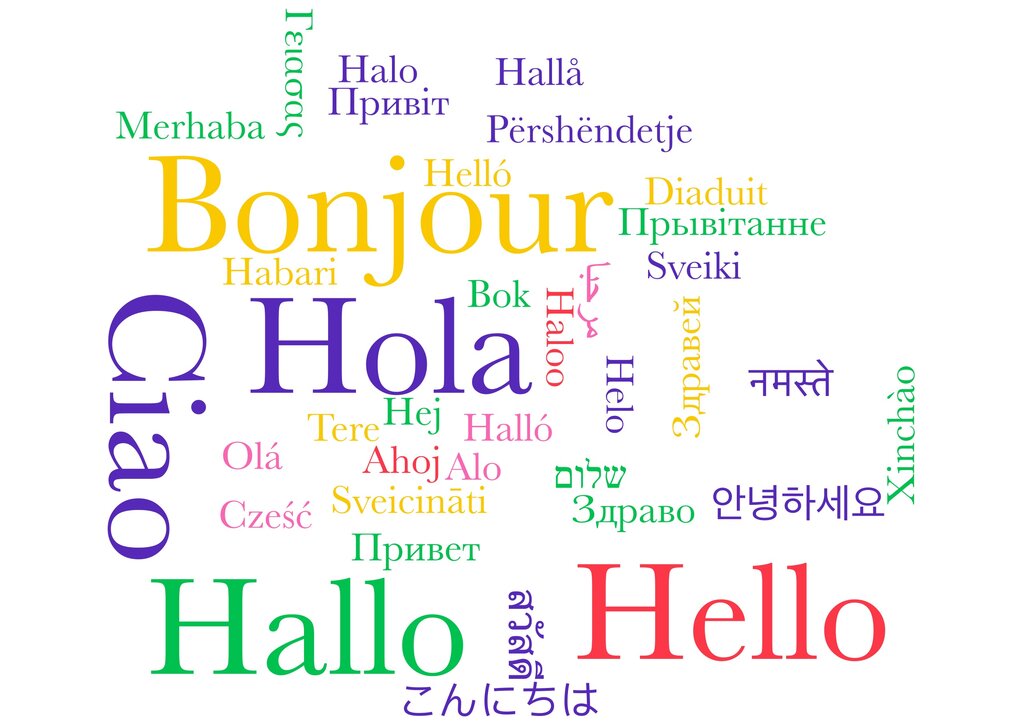
But greetings are much more than just polite noises. They are a window into a culture's values. Some cultures have specific ways to greet elders, showing deep respect for age and experience. Others might have communal greetings that emphasize group identity over the individual. By learning a culture’s greetings, you learn what its people hold dear.
A World of Hellos
The way people greet each other varies enormously around the globe. In some places, a firm handshake is the standard for professional settings. In others, a bow is more appropriate, with its depth signaling the level of respect. You might also encounter an air kiss on the cheek, a hand placed over the heart, or a simple nod.
Time of day often plays a role, too. Many languages have distinct phrases for “good morning,” “good afternoon,” and “good evening,” unlike the all-purpose English “hello.” These variations aren’t just quirks; they reflect a different way of marking the passage of time and acknowledging the specific moment you share with someone.
Using the right greeting, no matter how simple, is a powerful sign of respect and genuine interest in another culture.
Reading the Room
Imagine you’re meeting your new boss for the first time. You probably wouldn't say, “Hey, what’s up?” That’s a greeting you’d save for a close friend. This difference is the essence of context. The right greeting depends on several factors: your relationship to the person, the social setting, and their age or status.
This is often described as the difference between formal and informal language. Formal greetings are used with strangers, authority figures, or in professional situations. They create a respectful distance. Informal greetings are for friends, family, and peers, and they signal closeness and familiarity.

Learning to “read the room” and choose the appropriate greeting is a fundamental social skill. It shows that you’re not just reciting words from a book, but that you’re aware of your surroundings and the people in them. This awareness is key to making good first impressions and building meaningful connections.
Using the appropriate greeting sets a positive tone and shows cultural awareness.
Let's check your understanding of these core concepts.
What is the primary role of a greeting in a social interaction?
If a culture's greeting involves a specific, respectful gesture toward older individuals, what value does this most likely reflect?
Mastering the 'why' behind greetings gives you a solid foundation for learning the 'how' in any new language.