Helicopter Theft
Introduction to Aviation Security
A Layered Defense
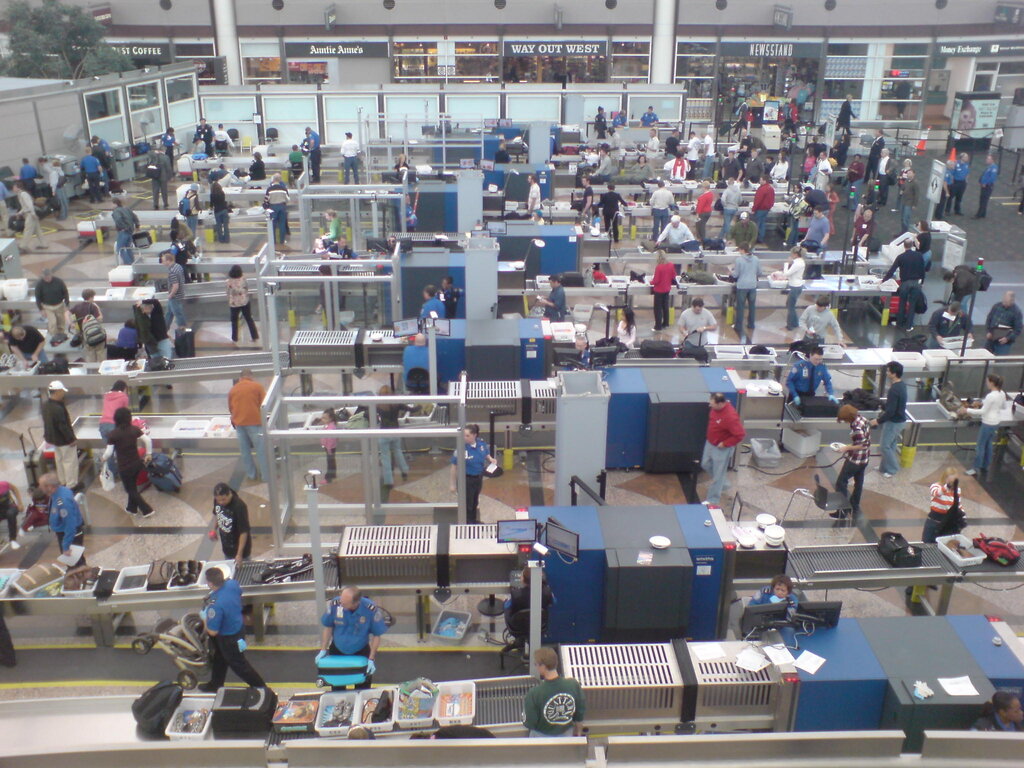
Aviation security is a complex system of measures designed to protect passengers, crew, and aircraft from threats and unlawful interference. It's not just about the screening checkpoint at the airport. Think of it as a series of overlapping layers, starting from the moment a ticket is purchased and extending all the way to the flight's destination.
These layers include intelligence gathering, passenger vetting, airport access control, baggage screening, and in-flight security procedures. Each layer is designed to prevent a potential threat. If one layer fails, another is there to catch it. This defense-in-depth strategy is the cornerstone of modern aviation security.
From Afterthought to Forefront
In the early days of commercial flight, security was an afterthought. The focus was on safety and reliability, not malicious acts. This changed dramatically in the 1960s and 1970s, an era marked by a surge in aircraft hijackings. In response, countries began implementing the first rudimentary passenger and baggage screening measures, often little more than a simple metal detector.
The September 11, 2001 attacks were a watershed moment that reshaped the industry's entire approach. Security shifted from being reactive to proactive and risk-based. Governments created specialized agencies like the U.S. Transportation Security Administration (TSA). The focus expanded beyond just preventing hijackings to countering a wider range of threats, including terrorism. This led to reinforced cockpit doors, federal air marshals, and much more sophisticated screening technologies and procedures that are standard today.
Who Makes the Rules?
Aviation is a global industry, so security standards must be consistent across borders. The International Civil Aviation Organization (ICAO), a specialized agency of the United Nations, sets the global baseline. ICAO develops standards and recommended practices that its member states—nearly every country in the world—are expected to follow. This ensures that a flight from one country to another is protected by a consistent level of security.
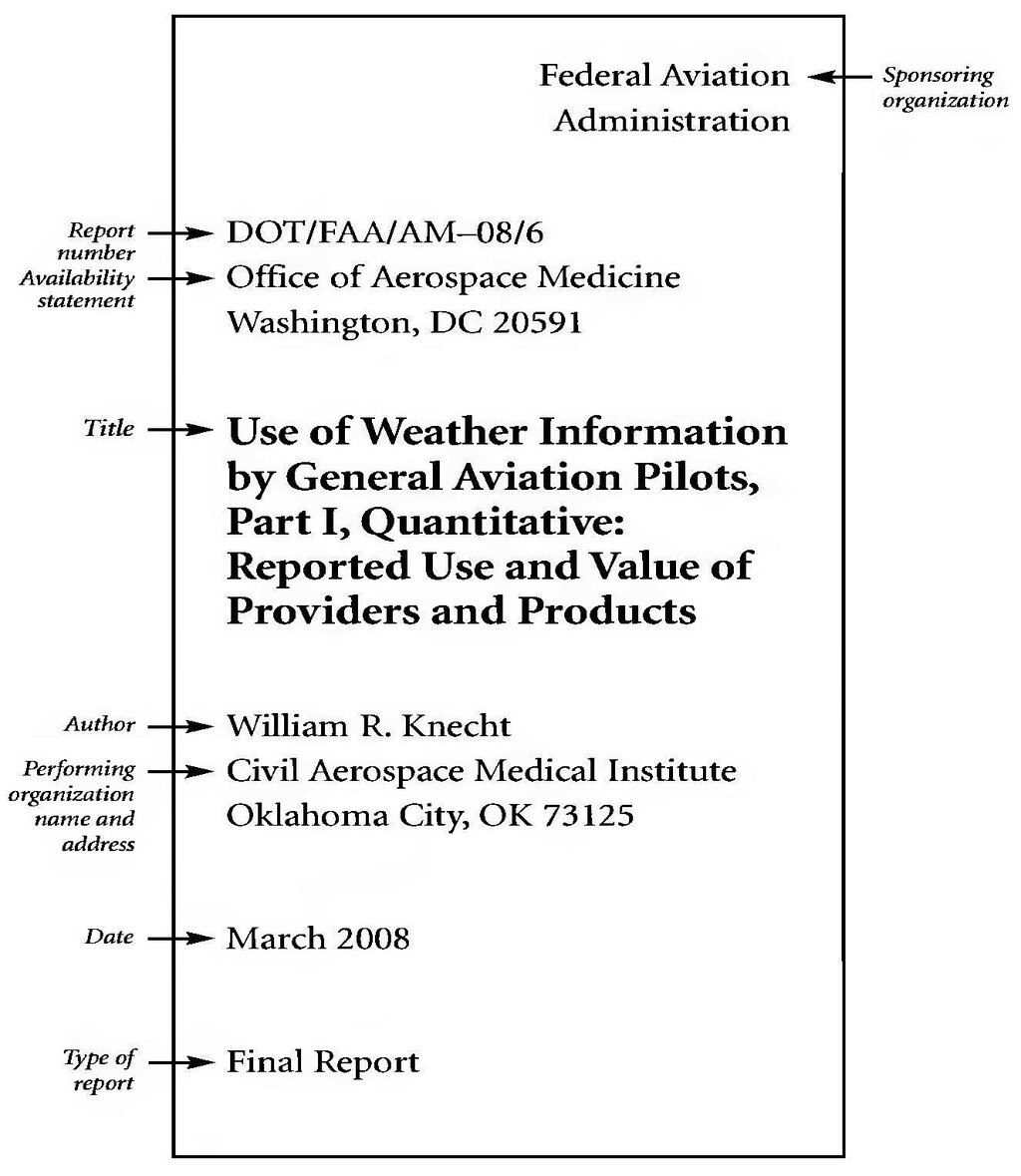
While ICAO sets the international framework, each country is responsible for implementing and enforcing these standards through its own national authority. In the United States, this is primarily the job of the Federal Aviation Administration (FAA) and the TSA. The FAA develops regulations for airlines and airports to follow, covering everything from crew training to aircraft security measures. The TSA manages the direct screening of passengers and baggage.
Staying Ahead of Threats
Aviation security isn't static. It must constantly adapt to new and emerging threats. This is where security threat assessments come in. Governments and aviation organizations continuously analyze intelligence to identify potential vulnerabilities and threat actors. These assessments inform security policies and help authorities decide where to focus resources.
A threat assessment helps answer critical questions: Who might attack? How might they do it? What are our most vulnerable points?
The findings from these assessments drive changes in security protocols. For example, intelligence about new types of explosives led to restrictions on liquids, aerosols, and gels in carry-on baggage. This proactive approach aims to close security gaps before they can be exploited.
This continuous cycle ensures that security measures on the ground and in the air are not just a set of fixed rules, but a living system that evolves to meet the current threat environment. From airport design that separates secure and non-secure areas to the training flight crews receive to handle disruptions, every element is part of a deliberate strategy to keep air travel safe.
What is the core strategic principle of modern aviation security?
Which event was the primary catalyst for shifting aviation security from a reactive to a proactive, risk-based model?