Helicopter Piloting Fundamentals
Helicopter Basics
How Helicopters Fly
Unlike airplanes that use wings to generate lift, helicopters use a set of rotating blades, collectively called the main rotor. Think of each blade as a small, spinning wing. As the blades slice through the air, they create an area of lower pressure above them and higher pressure below. This pressure difference generates an upward force called lift.
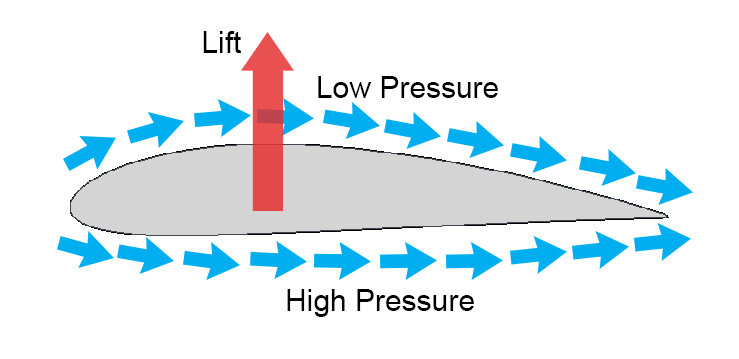
This is the same basic principle, known as Bernoulli's principle, that allows airplane wings to fly. The key difference is that a helicopter's 'wings' are constantly moving, allowing it to generate lift without moving forward. This is what gives a helicopter its unique ability to hover in one spot, take off, and land vertically.
The Main and Tail Rotors
The main rotor does the heavy lifting. By changing the angle, or pitch, of the rotor blades as they spin, a pilot can increase or decrease the amount of lift. Angling the blades more sharply into the oncoming air creates more lift, causing the helicopter to climb. Decreasing their angle reduces lift, allowing it to descend.
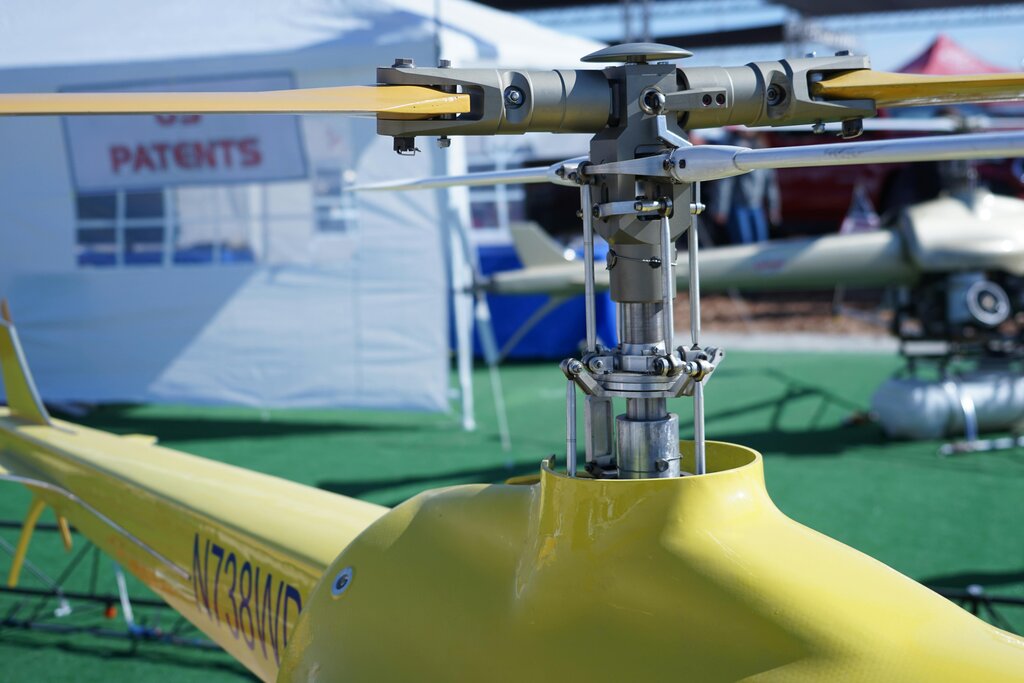
But spinning the main rotor creates a problem. According to Newton's third law of motion, for every action, there is an equal and opposite reaction. As the engine spins the main rotor in one direction, the body of the helicopter, or fuselage, wants to spin in the opposite direction. This is called torque.
Without a way to counter this torque, the helicopter would just spin in circles, completely out of control.
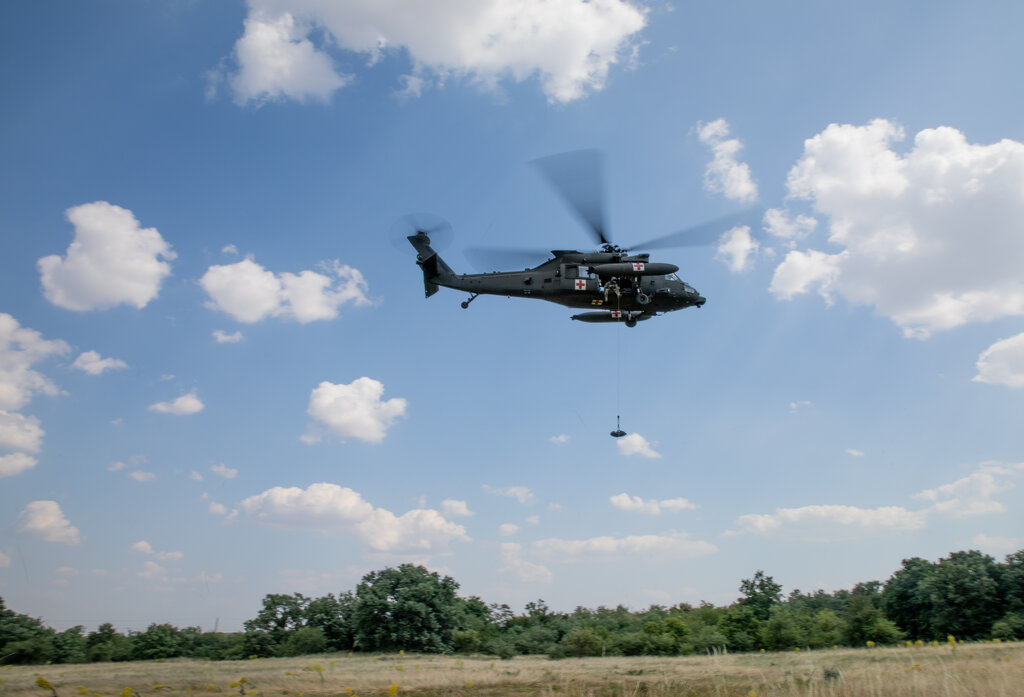
That's where the tail rotor comes in. This smaller, vertically mounted propeller at the back of the helicopter pushes air sideways. This sideways thrust counteracts the main rotor's torque, keeping the fuselage stable and pointing in the right direction. It also allows the pilot to turn the helicopter left or right while hovering.
Primary Flight Controls
Pilots use three main controls to fly a helicopter. Each one adjusts the rotors in a different way to control the aircraft's movement.
| Control | What it is | What it does |
|---|---|---|
| Collective | A lever to the left of the pilot's seat that moves up and down. | Changes the pitch of all the main rotor blades simultaneously. Lifting the collective increases lift, causing the helicopter to climb. Lowering it decreases lift, causing it to descend. |
| Cyclic | A stick in front of the pilot, similar to a joystick. | Changes the pitch of individual blades as they move through their rotation. This tilts the entire rotor disk, creating thrust in that direction. Pushing the cyclic forward makes the helicopter fly forward; moving it left makes it fly left. |
| Anti-Torque Pedals | Foot pedals on the floor. | Controls the pitch of the tail rotor blades. This changes how much sideways thrust the tail rotor produces, allowing the pilot to control yaw, or the direction the helicopter's nose is pointing. |
Mastering these three controls allows a pilot to perform the complex maneuvers that helicopters are known for, from hovering motionless to flying in any direction. Understanding how these parts work together is the first step in appreciating the mechanics of helicopter flight.
What is the primary scientific principle that explains how a helicopter's main rotor generates lift?
What is the main function of a helicopter's tail rotor?