Height Optimization Science and the Lion Method
Bone Growth Biology
The Architecture of Height
Our height is largely determined by the length of our long bones, like the femur in your thigh or the humerus in your upper arm. These bones aren't static structures; they're dynamic tissues that undergo a remarkable process of growth during childhood and adolescence.
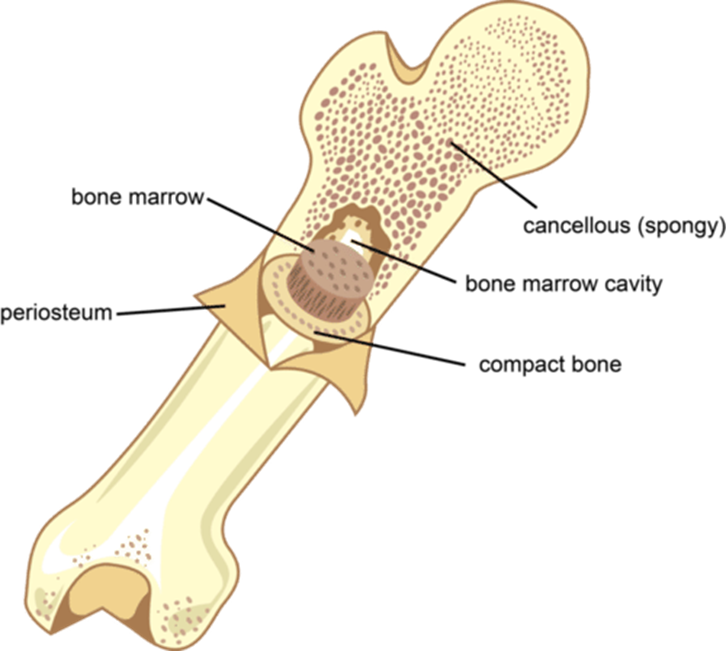
A long bone has a main shaft, called the diaphysis, and two ends, known as the epiphyses. The diaphysis is a hollow tube of compact bone, providing strength and rigidity. The epiphyses are made of spongy bone and are capped with cartilage, which helps form smooth joints.
The Growth Engine
So, where does the growth actually happen? It occurs in a thin layer of cartilage at the end of each long bone, sandwiched between the diaphysis and the epiphysis. This area is called the or, more commonly, the growth plate.
Think of the growth plate as a busy factory for new bone. It's here that a process called takes place. This is a bit of a mouthful, but it simply means that cartilage is used as a template and is gradually replaced by bone. This process is what lengthens the bone's shaft, pushing the ends further apart and making you taller.
This factory has several specialised zones where different stages of production occur. It all starts with cartilage cells, or chondrocytess. In one zone, these cells divide rapidly, creating more raw material. In the next zone, they stop dividing and swell up, a process called hypertrophy. This swelling is what physically lengthens the cartilage model. Finally, the surrounding cartilage matrix calcifies, and the chondrocytes die off, making way for bone-building cells (osteoblasts) to move in and lay down new bone tissue.
The End of the Line
This process doesn't continue forever. As we move through puberty, hormonal changes, particularly the rise in oestrogen, signal the growth plates to slow down. The chondrocytes divide less frequently, and bone formation starts to catch up to and eventually overtake cartilage production.
Eventually, all the cartilage in the growth plate is replaced by bone. The plate is said to have 'fused' or 'closed'. What remains is a faint scar in the bone called the epiphyseal line. This typically happens in the late teens for girls and into the early twenties for boys.
For most people, height will not increase after age 18 to 20 due to the closure of the growth plates in bones.
Once this fusion occurs, the bone can no longer increase in length. It can still grow wider throughout life in response to stress (a process called appositional growth), but vertical height gain through natural bone elongation is biologically impossible. This fundamental limit is the scientific baseline against which all claims of increasing height in adulthood must be measured.