Height Evolution: From Lon Surgery to Natural Lion Methods
Biological Growth Realities
The Blueprint for Height
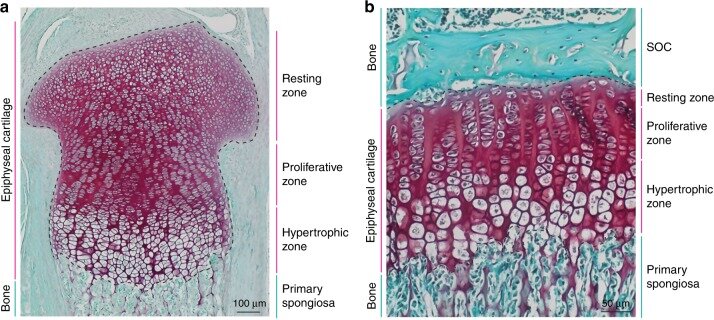
Your height is primarily determined by the length of your long bones, like the femur in your thigh and the tibia in your lower leg. The engine for this growth lies in specific areas near the ends of these bones called , or growth plates.
Think of them as active construction zones. As long as these plates are open and made of cartilage, your bones can continue to get longer, and you can continue to get taller. This process is known as endochondral ossification, the gradual replacement of cartilage with bone.
From Cartilage to Bone
The process of lengthening bone is a race against time. While the cartilage cells in the growth plate are dividing, bone tissue is forming on the shaft side of the plate, turning the newly created cartilage into hard, mineralised bone. This process is called ossification. For years, the cartilage creation outpaces the bone conversion, leading to steady growth.
This leads to a crucial distinction: chronological age versus bone age. Your chronological age is how many years you've been alive. Your is a measure of your skeletal maturity, determined by how much of your cartilage has been replaced by bone. Doctors can assess this by taking an X-ray, typically of the hand and wrist, and comparing it to a standard atlas of bone development for different ages.
A person can be chronologically 14 years old but have a bone age of 12, suggesting more growth potential, or a bone age of 16, indicating that growth is nearing its end.
The Hormonal Shutdown
The entire growth process is orchestrated by hormones. The master regulator is the [{
During puberty, a surge of sex hormones—oestrogen and testosterone—enters the picture. These hormones initially cause the rapid growth spurt we associate with adolescence. However, they have a second, more definitive effect: they accelerate ossification dramatically. The cartilage production can no longer keep up with the pace of bone conversion. Eventually, the entire plate of cartilage is replaced by bone, and the growth plate 'closes' or fuses.
Once the growth plates close, bones stop growing in length, which means natural height gain becomes highly unlikely.
This closure typically happens around ages 16-18 for females and 18-21 for males, marking the end of natural growth in height. The point at which your bones stop lengthening is determined by skeletal maturity, not your birthday. This physiological barrier is the fundamental challenge that any height-increase method must address.