Hedge Fund Carried Interest Explained
Carried Interest Basics
Aligning Interests
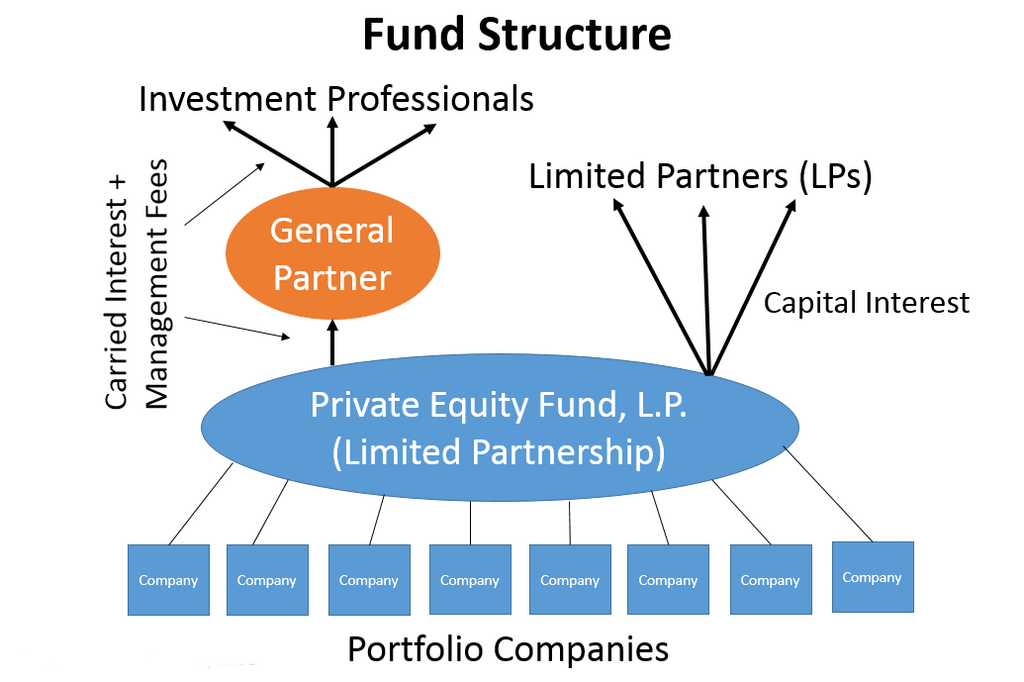
Fund managers, often called General Partners (GPs), are compensated in two main ways. One is a straightforward management fee, designed to cover the operational costs of running the fund—things like salaries, office space, and research. But the real incentive, the one that can lead to massive paydays, is called carried interest.
Think of it as a performance bonus. It's the share of the fund's profits that the managers get to keep. This structure is designed to do one thing very well: align the interests of the fund managers with those of their investors, the Limited Partners (LPs). If the investors make money, the managers make money. If the fund performs poorly, the managers' compensation is limited to the management fee.
carried interest
noun
A share of the profits of an investment or investment fund that is paid to the investment manager in excess of the amount that the manager contributes to the partnership.
The '2 and 20' Rule
The most common fee structure in the world of hedge funds and private equity is known as "2 and 20." It's a simple shorthand for how a fund's fees are broken down.
-
The "2" refers to a 2% annual management fee. This is calculated on the total assets under management (AUM). So, for a $100 million fund, the managers would collect $2 million each year to cover their operating expenses, regardless of the fund's performance.
-
The "20" refers to a 20% performance fee, which is the carried interest. This fee is calculated only on the fund's profits. If that same $100 million fund grows to $120 million in a year, it has generated a $20 million profit. The managers would receive 20% of that profit, which amounts to $4 million.
The management fee keeps the lights on. The carried interest is the reward for generating substantial returns.
This structure creates a powerful incentive. While the management fee provides stability for the firm, the carried interest is where the significant wealth is generated for the partners. This motivates them to seek out the best possible investments to maximize returns for everyone involved.
A Model Built on Performance
The idea behind carried interest is rooted in the history of merchant sea voyages. A captain would be given capital to fund a trading expedition. He didn't get paid a large fixed salary; instead, he was allowed to "carry" a portion of the cargo on the ship for his own account. His compensation was directly tied to the success of the voyage. If the ship returned with valuable goods, he shared in the profits.
Modern investment funds operate on a similar principle. Investors provide the capital, and the fund managers provide the expertise to navigate the markets. The carried interest ensures that the managers are rewarded only when they successfully grow that capital. This performance-based model has become the industry standard because it directly links the manager's financial success to the investor's.
Carried Interest, commonly referred to as “Carry,” is typically set at around 20% of the fund’s profits.
This compensation model ensures that managers have "skin in the game." Their primary goal becomes generating high returns, because that's how they generate the most significant portion of their income. When investors' portfolios grow, so do the managers' paychecks.
What is the primary purpose of the management fee in a typical "2 and 20" fund structure?
A private equity fund has 60 million. Under a standard "2 and 20" fee structure, what is the total compensation for the fund managers (GPs) for that year?
Ultimately, carried interest is the engine of the alternative investment world, driving managers to seek out performance that benefits both them and their clients.