Hebrew Language Basics
Hebrew Alphabet
Meet the Aleph-Bet
The Hebrew alphabet, known as the Aleph-Bet, is the foundation of the language. It consists of 22 consonants. One of the first things you'll notice is that Hebrew is written and read from right to left, the opposite of English.
Just like English, Hebrew has both a standard print form (often called block letters) and a cursive form for handwriting. Getting to know both is essential for reading and writing.
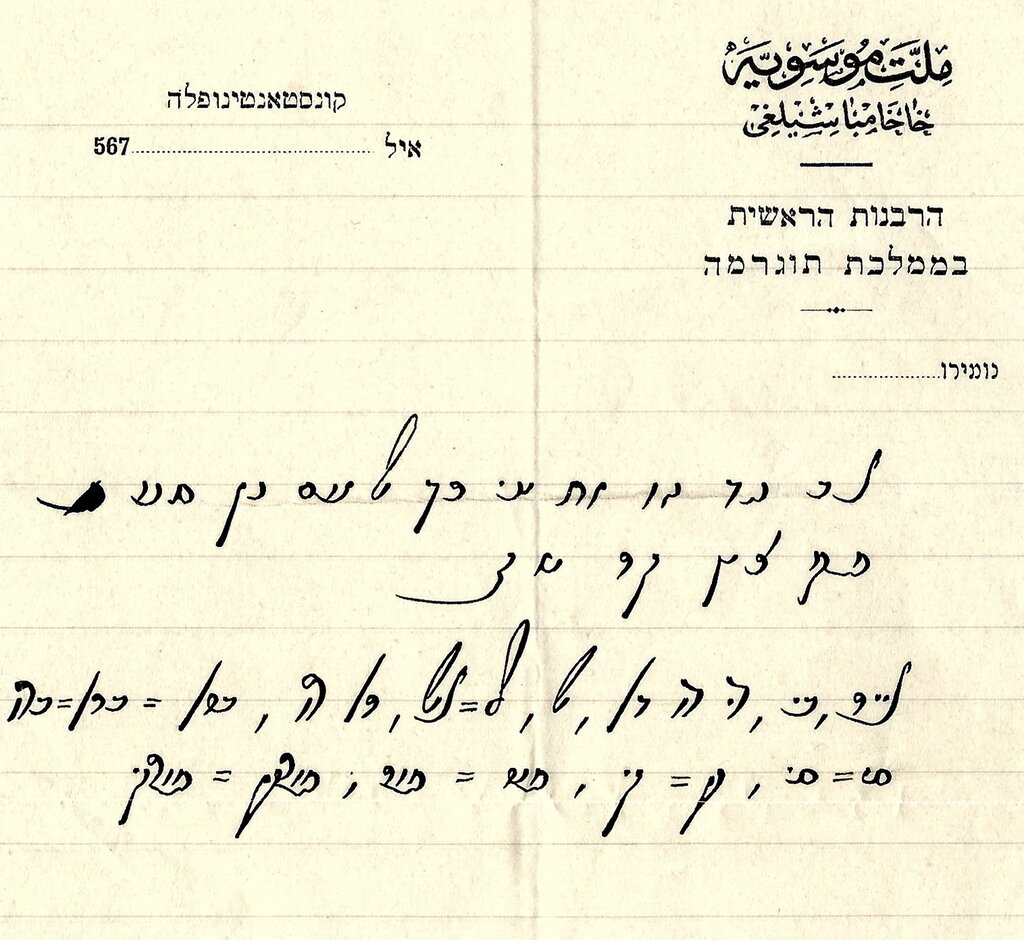
Let's go through all 22 letters. The table below shows the standard print letter, its cursive version, and its name.
| Cursive | Name | |
|---|---|---|
| א | א | Aleph |
| ב | ב | Bet |
| ג | ג | Gimel |
| ד | ד | Dalet |
| ה | ה | Heh |
| ו | ו | Vav |
| ז | ז | Zayin |
| ח | ח | Chet |
| ט | ט | Tet |
| י | י | Yod |
| כ | כ | Kaf |
| ל | ל | Lamed |
| מ | מ | Mem |
| נ | נ | Nun |
| ס | ס | Samekh |
| ע | ע | Ayin |
| פ | פ | Peh |
| צ | צ | Tzadi |
| ק | ק | Kof |
| ר | ר | Resh |
| ש | ש | Shin |
| ת | ת | Tav |
Letters with a Final Form
Five Hebrew letters change their shape when they appear at the very end of a word. These special forms are called sofit, which means "final" or "end."
Think of it like the way we use a capital letter at the beginning of a sentence in English. A final form signals that you've reached the end of a word. This is helpful because Hebrew was traditionally written without spaces between words.
The five letters with final forms are Kaf, Mem, Nun, Peh, and Tzadi.
Here’s how their print and cursive forms change at the end of a word.
| Letter | Standard Print | Final Print (Sofit) | Standard Cursive | Final Cursive (Sofit) |
|---|---|---|---|---|
| Kaf | כ | ך | כ | ך |
| Mem | מ | ם | מ | ם |
| Nun | נ | ן | נ | ן |
| Peh | פ | ף | פ | ף |
| Tzadi | צ | ץ | צ | ץ |
For now, focus on recognizing these letters and their final forms. Getting comfortable with their shapes is the first major step to reading Hebrew.