Heat Pump Installation Essentials
Heat Pump Basics
Moving Heat, Not Making It
A heat pump works like a heat transporter, not a heat creator. Instead of burning fuel to make warmth, it simply moves existing heat from one place to another. In the winter, it pulls heat from the cold outside air and moves it inside. In the summer, it reverses the process, pulling heat from your indoor air and moving it outside.
This is possible because of a special fluid called a refrigerant. A refrigerant can absorb and release heat very easily as it changes between a liquid and a gas. Think of it like a sponge that soaks up heat in one location and gets squeezed to release it in another.
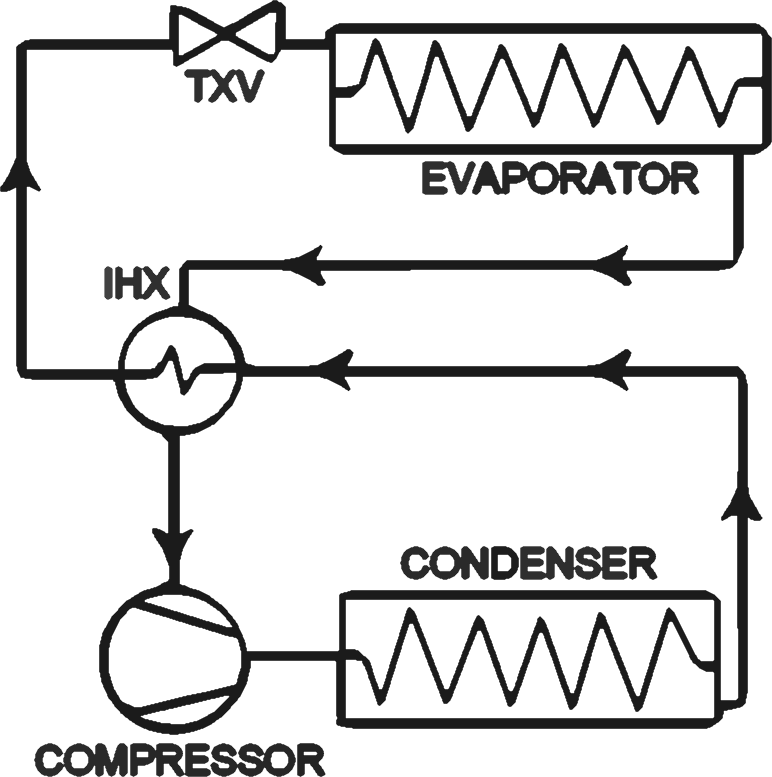
The entire process happens in a continuous loop called the refrigeration cycle. This cycle is driven by four key components working together to manipulate the refrigerant's state.
The Four Key Players
Let's walk through the journey of the refrigerant and the role each component plays. The four parts are the compressor, the condenser, the expansion valve, and the evaporator.
Compressor
noun
A mechanical device that increases the pressure of a gas by reducing its volume.
The cycle begins at the compressor. It takes in the refrigerant as a cool, low-pressure gas and squeezes it. This compression packs the molecules together, drastically increasing the refrigerant's pressure and temperature. If you've ever used a manual bike pump and felt it get hot, you've experienced this same effect. The gas leaving the compressor is now a very hot, high-pressure vapor.
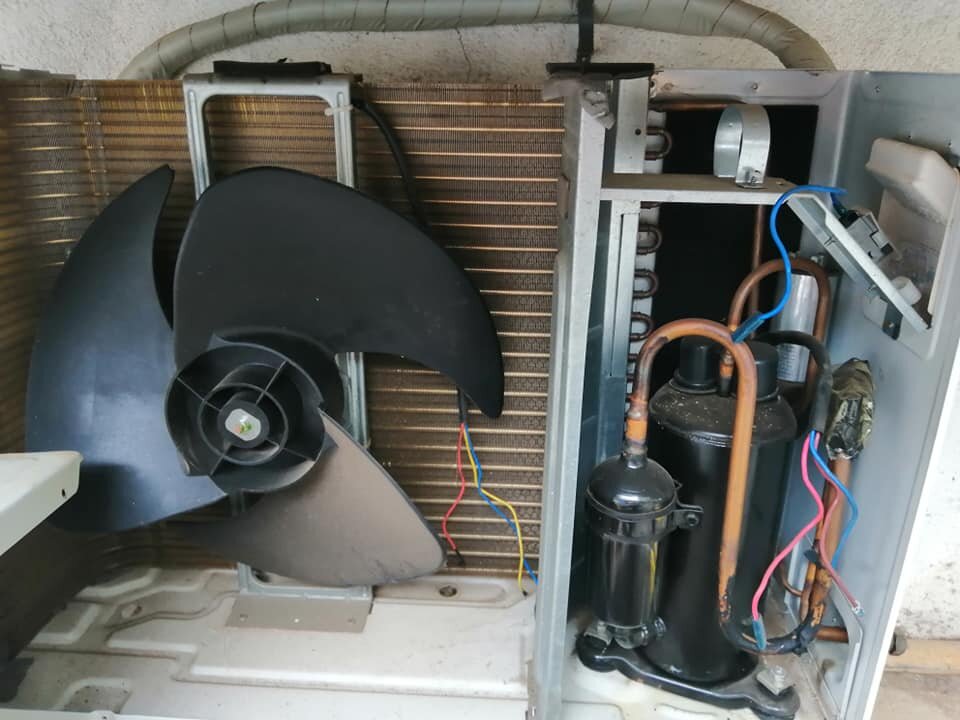
Next, this hot gas flows to the condenser. The condenser is a series of coils and fins designed to transfer heat to the surrounding air. As the hot refrigerant gas passes through these coils, it gives up its heat and cools down. This loss of heat causes the refrigerant to change its state from a gas back into a liquid. At this point, it's a warm, high-pressure liquid.
In heating mode, the condenser is the indoor unit, releasing heat into your home. In cooling mode, it's the outdoor unit, releasing heat to the outside air.
After the condenser, the warm liquid refrigerant reaches the expansion valve. This component is a tiny opening that acts as a metering device. As the high-pressure liquid is forced through this bottleneck, its pressure drops suddenly and dramatically. This rapid pressure drop causes the refrigerant to start boiling, and its temperature plummets. It leaves the expansion valve as a very cold, low-pressure mix of liquid and vapor.
Finally, the cold, low-pressure refrigerant flows into the evaporator. Like the condenser, the evaporator is another set of coils and fins. Because the refrigerant is now much colder than its surroundings, heat naturally flows from the air into the refrigerant. This absorbed heat causes the remaining liquid refrigerant to boil completely, turning it back into a cool, low-pressure gas.
This gas then travels back to the compressor, and the cycle starts all over again.
It Works Both Ways
The magic of a heat pump is its ability to reverse this cycle. A special component called a reversing valve can change the direction the refrigerant flows. By flipping the flow, the roles of the indoor and outdoor coils are swapped.
When you need cooling, the indoor coil acts as the evaporator, absorbing heat from your home. The outdoor coil acts as the condenser, releasing that heat outside. When you need heating, the valve flips, and the outdoor coil becomes the evaporator, absorbing heat from the outside air, while the indoor coil becomes the condenser, releasing heat into your home.
Even when it feels cold outside, there is still heat energy in the air that the heat pump can extract and move indoors.
This ability to both heat and cool makes a heat pump an incredibly efficient, all-in-one solution for managing indoor comfort.
What is the fundamental principle behind how a heat pump provides warmth?
In the refrigeration cycle, which component is responsible for dramatically increasing the temperature and pressure of the refrigerant gas?