Heartbreak to Trust Your Path to Product Sales
Understanding Heartbreak
The Anatomy of a Broken Heart
A romantic breakup is more than just the end of a relationship; it's a profound loss that can feel like a part of you is missing. This feeling isn't just in your head. Research shows that the brain processes the pain of a breakup in the same areas that register physical pain. Your body is reacting to a genuine, deep-seated sense of loss.
This experience is tied to our primal need for connection. When we form a bond with someone, our brains release hormones like oxytocin and vasopressin, creating a powerful sense of attachment. When that bond is broken, our brain chemistry is thrown into disarray, leading to an intense craving for the person we've lost, similar to withdrawal from an addiction.
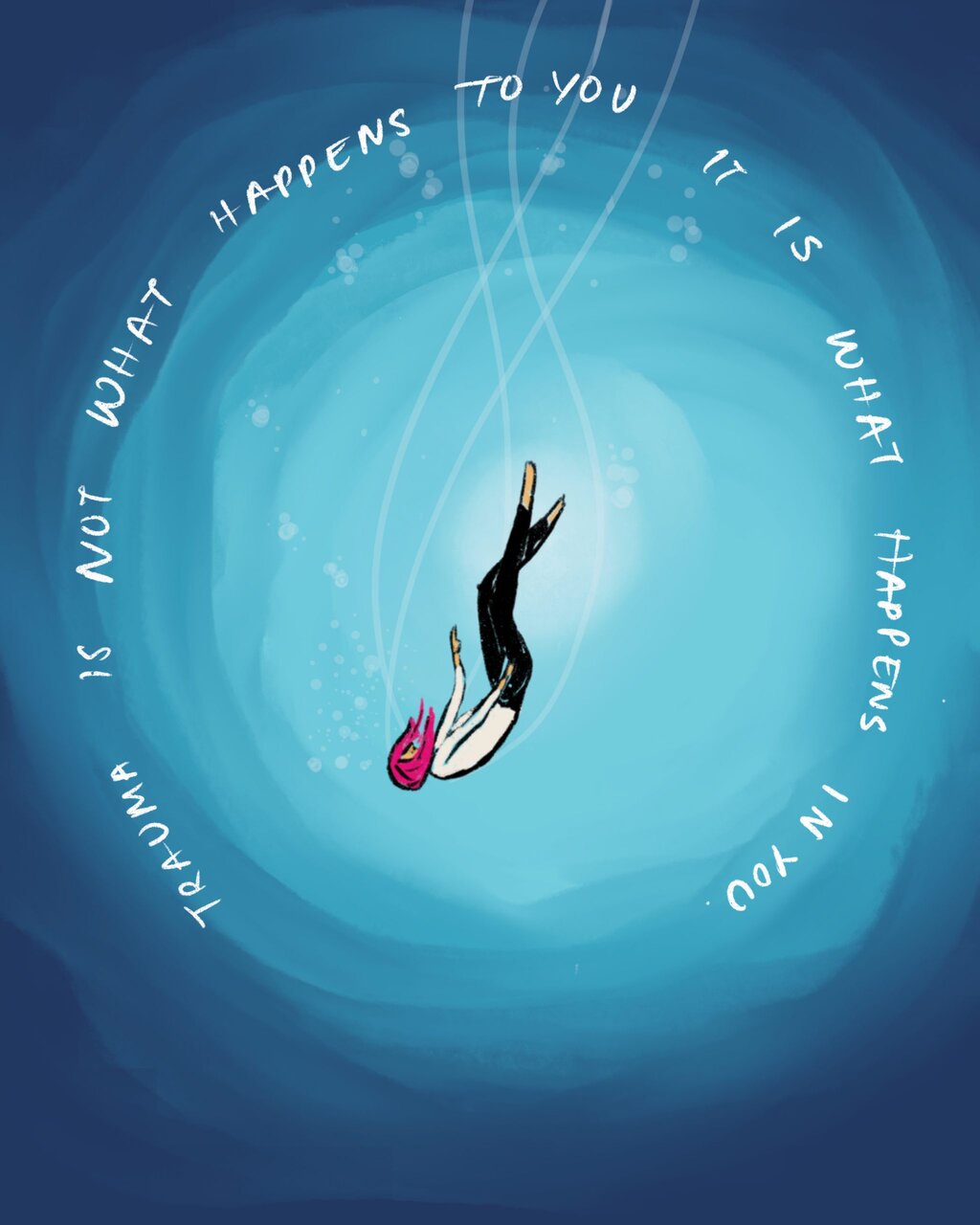
The emotional fallout can be immense. It can shake your sense of self, making you question your worth and your future. Suddenly, the person who was a central part of your daily life is gone, leaving a void that affects your routines, social circles, and plans. This is a legitimate grieving process, and it's important to allow yourself the space to feel it.
The Stages of Grief
While not everyone experiences them in the same order or with the same intensity, the stages of grief originally described by Elisabeth Kübler-Ross are often applied to breakups. Understanding these stages can help you make sense of the emotional rollercoaster you might be on.
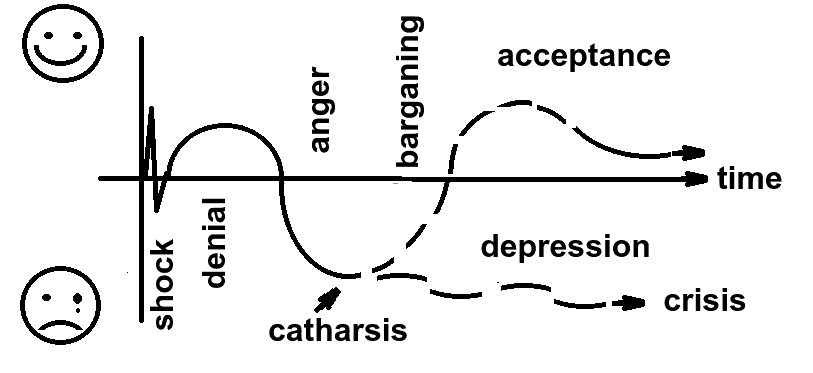
Denial: In this stage, you might find it hard to accept that the relationship is truly over. You might think, "This is just a fight, they'll be back," or find yourself checking your phone constantly. This is a defense mechanism that helps buffer the immediate shock of the loss.
Anger: As the reality sets in, feelings of pain can be redirected as anger. This might be directed at your ex-partner, the situation, or even yourself. It’s a natural response to feeling hurt and abandoned.
Bargaining: This is the "what if" stage. You might find yourself replaying scenarios, thinking, "If only I had done this differently," or trying to negotiate a reunion with your ex, promising to change.
Depression: Once you realize that bargaining won't work, sadness and despair can take over. This stage is characterized by feelings of hopelessness, lethargy, and a loss of interest in activities you once enjoyed. It’s a period of deep reflection and mourning for the loss of the relationship.
Acceptance: This isn't about being happy that the relationship ended. It's about acknowledging the reality of the situation and understanding that you can move forward. Acceptance is about making peace with the past and starting to look toward the future.
How Heartbreak Feels
The pain of a breakup isn't just emotional; it can manifest physically. The intense stress can flood your body with hormones like cortisol, leading to a range of symptoms. Your mind and body are deeply connected, and the turmoil you feel inside can have real-world effects.
| Emotional Symptoms | Physical Symptoms |
|---|---|
| Overwhelming sadness/crying | Changes in appetite |
| Loneliness and isolation | Difficulty sleeping |
| Loss of identity | Aches and pains |
| Anxiety or panic attacks | Nausea and stomach issues |
| Irritability and anger | Weakened immune system |
These symptoms are your body's response to a significant emotional shock. It's not an overreaction; it's a genuine biological process. Recognizing this can help you be kinder to yourself as you navigate the healing process.
Ways We Cope
When we're in pain, our natural instinct is to find a way to make it stop. This leads us to various coping mechanisms, some of which are healthier than others. The goal is to find strategies that help you process the pain, not just avoid it.
Healthy coping involves facing your feelings and taking care of yourself. Unhealthy coping often involves avoiding or numbing your emotions, which only delays the healing process.
Common but unhealthy coping mechanisms include isolating yourself, obsessively checking your ex's social media, rebounding into a new relationship too quickly, or using alcohol or food to numb the pain. These might provide temporary relief but can lead to longer-term problems and prevent you from truly moving on.
Healthy coping strategies focus on self-care and processing your emotions. This includes:
- Allowing yourself to feel: Acknowledge your sadness, anger, and confusion without judgment.
- Leaning on your support system: Talk to trusted friends or family. You don't have to go through this alone.
- Maintaining routines: Stick to regular sleep, meal, and exercise schedules. This provides a sense of stability.
- Rediscovering yourself: Reconnect with hobbies and interests you may have neglected. It's a way to rebuild your sense of identity outside of the relationship.
- Seeking professional help: A therapist can provide tools and guidance for navigating this difficult time.
According to research, how does the brain process the emotional pain of a breakup?
The intense craving for an ex-partner after a breakup can be compared to withdrawal from an addiction. This is largely because the end of the relationship disrupts the brain's attachment hormones, such as oxytocin and vasopressin.
Understanding the mechanics of heartbreak doesn't make the pain disappear, but it can make the process feel less overwhelming. Recognizing these patterns in yourself is the first step toward healing and building a new future.