Heart Development Basics
Introduction to Heart Development
The Heart's First Beat
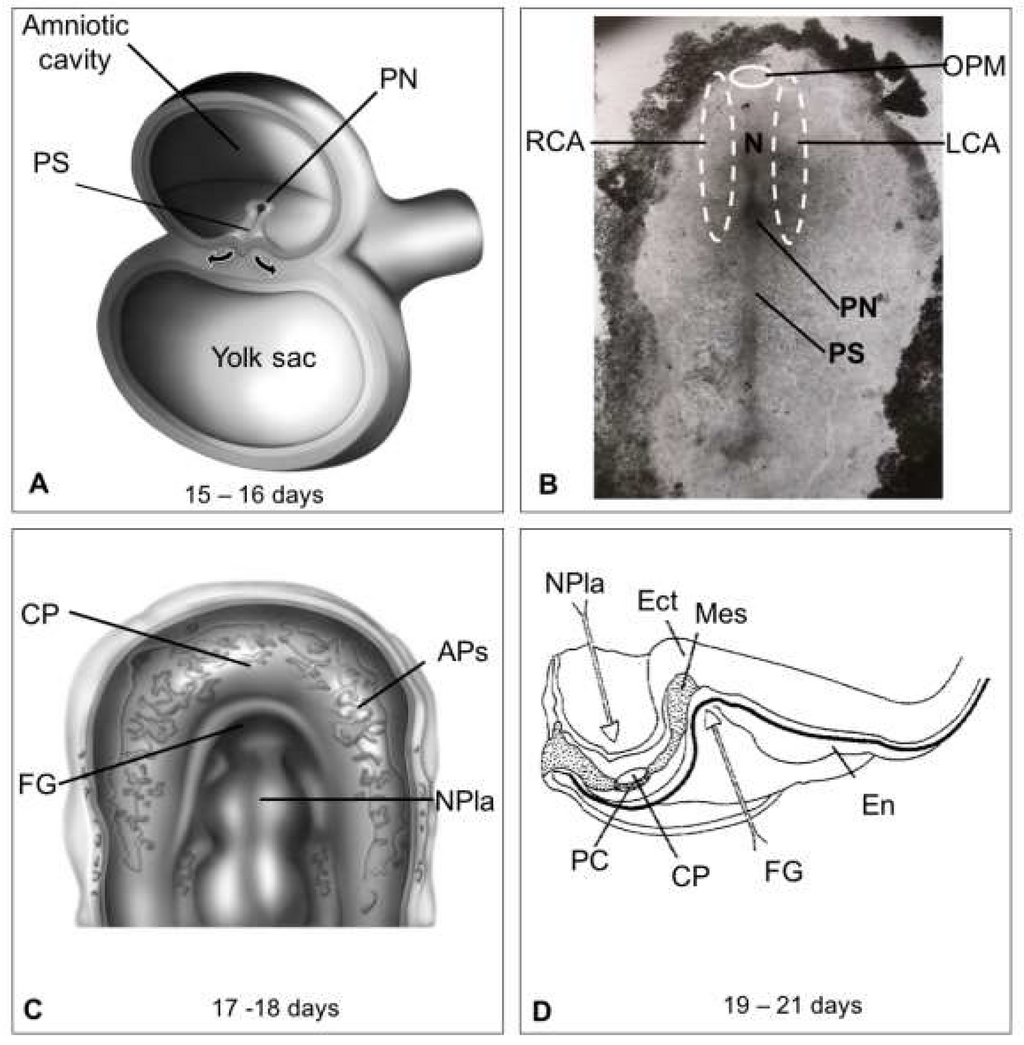
The story of the heart begins early, just a few weeks after conception. At this stage, the embryo is a simple structure made of three primary layers of cells, known as germ layers. The heart originates from the middle layer, called the mesoderm.
Within the mesoderm, a specific region known as the cardiogenic mesoderm contains the cells that will build the heart. Think of it as a designated construction zone where the blueprints for the circulatory system's powerhouse are laid out.
From Cells to Structure
How do these mesodermal cells know they're supposed to become a heart? They receive a complex set of instructions through molecular signals. Key signaling pathways, like the Bone Morphogenetic Protein (BMP) pathway, act as a green light, promoting the heart-forming fate. At the same time, another pathway called the WNT pathway must be inhibited in this specific area. This combination of activating and inhibiting signals is crucial; it ensures the heart forms in the right place at the right time.
Once these external signals are received, they trigger master switches inside the cells. These switches are transcription factors, proteins that turn specific genes on or off. In heart development, two of the most important transcription factors are Nkx2.5 and GATA4. When activated, they orchestrate the genetic program that transforms a generic mesoderm cell into a specialized cardiac progenitor cell, the fundamental building block of the heart.
These newly specified cardiac progenitor cells don't stay put. They migrate and organize themselves into two distinct clusters on either side of the developing embryo. These clusters are called the cardiogenic fields.
Building the Tube
The embryo, initially a flat disc, begins to fold and take on a three-dimensional shape. This folding process is dramatic, bringing the two separate cardiogenic fields from the sides toward the midline of the body. It's like folding a piece of paper in half to bring two points together.
As the cardiogenic fields meet at the center, they fuse. This fusion creates the first functional version of the heart: a single, simple tube. This structure, known as the primitive heart tube, is the foundation upon which the complex, four-chambered heart will eventually be built.
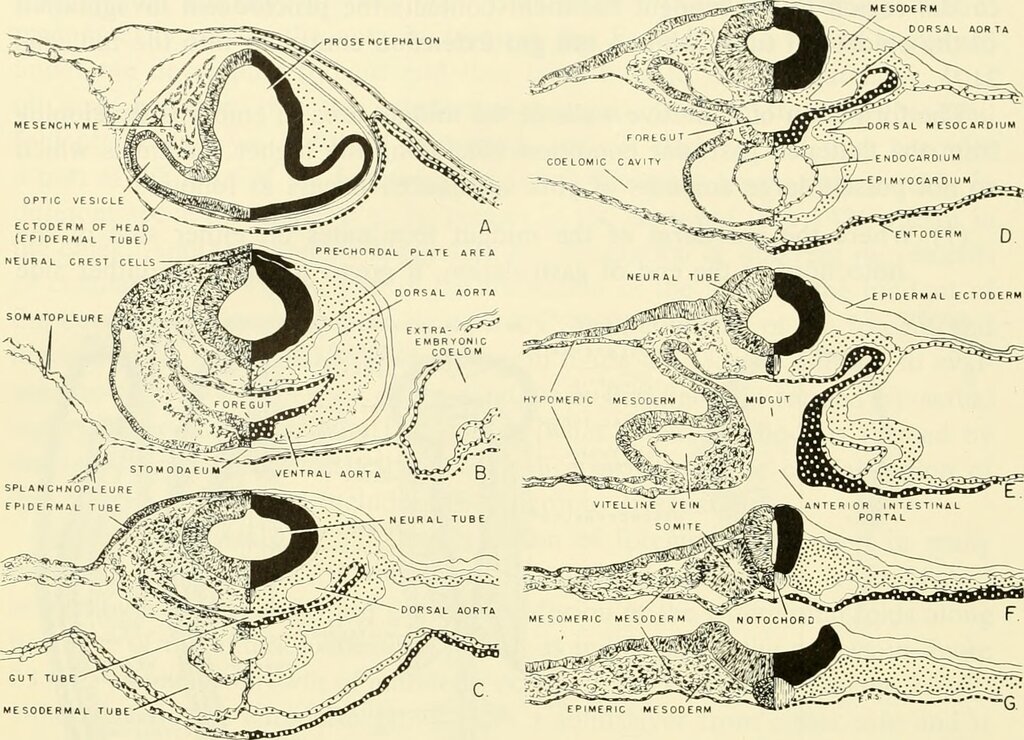
Amazingly, this simple tube is already capable of contracting. It soon begins to beat, pushing blood throughout the tiny, growing embryo, delivering oxygen and nutrients long before it resembles the organ we know.
Let's check your understanding of these initial steps.
From which primary germ layer does the heart originate?
Which combination of molecular signals is crucial for specifying the heart-forming fate in the correct embryonic region?
The formation of the primitive heart tube is just the beginning. The next stages involve this tube twisting, growing, and dividing to form the intricate chambers and valves of the mature heart.