Healy Unit 2 Technical Deep Dive
TRW Slagging Combustor Design
The TRW Slagging Combustor
The key innovation at Healy Unit 2 is its TRW —a process that happens outside the main boiler. Unlike typical plants where finely ground coal is blown directly into the furnace, this system uses two external, three-stage slagging combustors. Each is a powerhouse, rated at 350 million BTU per hour. This external design is a fundamental shift. It cleans the fuel before it reaches the main heat exchange surfaces, which dramatically changes how the plant operates and deals with waste.
The entire process is carefully orchestrated across three distinct zones within the combustor.
Preheating and Ignition
The first stage, the precombustor, sets the scene for efficient combustion. Here, primary air is heated to a blistering 1200°F (about 650°C). This superheated air then mixes with pulverized coal as it's injected into the unit.
The intense heat causes the coal to ignite almost instantly. This rapid, partial combustion releases volatile gases from the coal and prepares it for the main event in the next stage.
Creating a Liquid Cyclone
The heart of the system is the second section: the slagging stage. The partially burned coal and hot gases from the precombustor enter this chamber, where a blast of high-velocity secondary air is injected tangentially. This creates a powerful vortex, or cyclone, spinning at high speed.
The temperatures inside this cyclone are high enough to melt the mineral impurities in the coal, turning them into a liquid ash known as slag. The intense centrifugal force of the vortex slings these heavier molten slag droplets outward, where they stick to the combustor walls. The lighter, cleaner hot gas stays in the center of the cyclone and continues on its path.
This mechanical separation is remarkably effective. It captures between 70% and 90% of the coal's ash before the combustion gases ever enter the main boiler. This prevents the buildup of ash, known as fouling, on the critical heat transfer surfaces downstream.
Containing the Inferno
Managing this controlled inferno requires robust construction. The combustor walls are made of a [{
Water from the boiler feedwater system circulates through these tubes, turning to steam. This constant flow of water serves two purposes. First, it cools the combustor walls, maintaining their structural integrity under extreme thermal stress. Second, the steam it generates is fed back into the plant's main steam cycle, contributing to overall thermal efficiency. The cooling system doesn't just protect the equipment; it actively contributes to the power generation process.
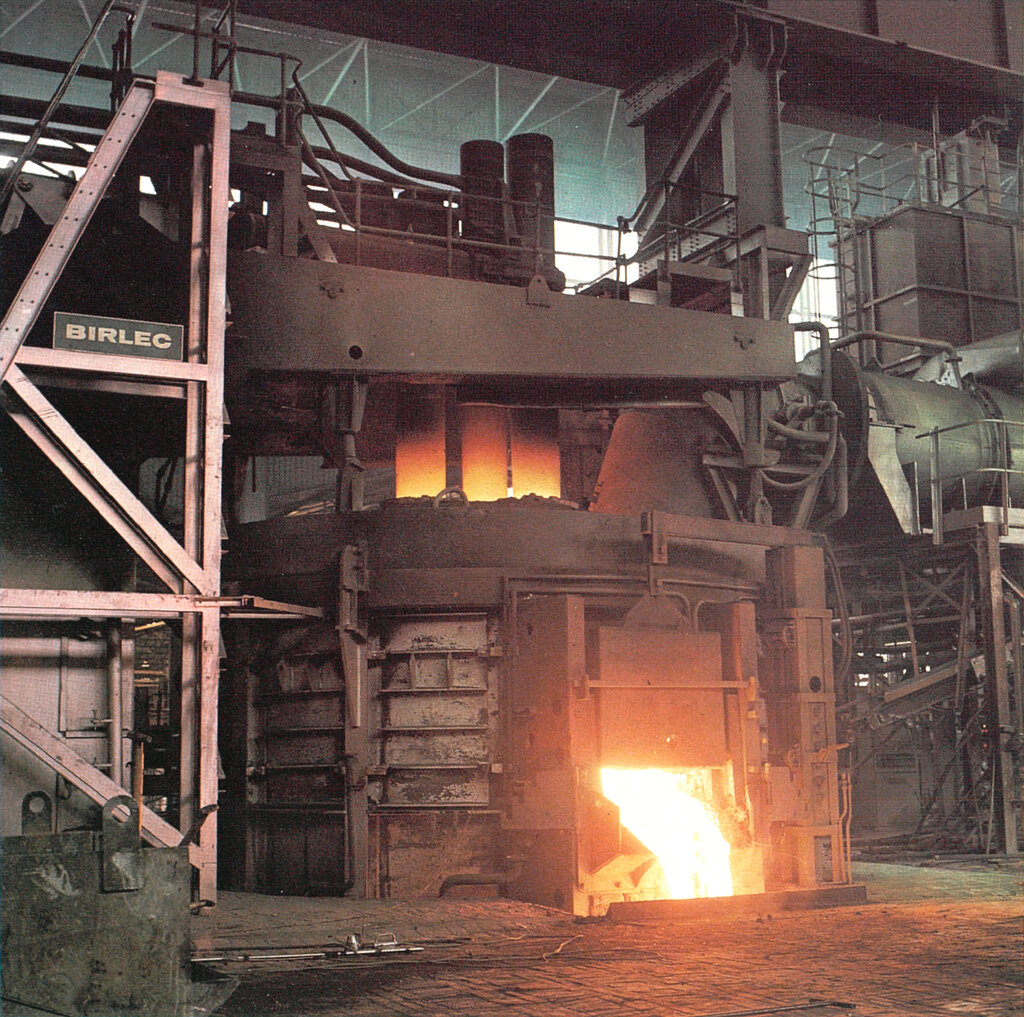
Finally, the separated molten slag flows down the cooled walls to the bottom of the combustor and into the slag recovery section. Here, it pools in a water-filled tank, where the thermal shock shatters it into small, glassy pellets. These pellets are then mechanically removed by a conveyor system.
This process converts a fine, difficult-to-handle fly ash into a manageable, inert, and sometimes even marketable byproduct. Meanwhile, the very hot, but now much cleaner, combustion gas exits the top of the slagging stage and enters the main furnace to generate steam.
What is the key innovation of the TRW Entrained Combustion System at Healy Unit 2?
What is the primary purpose of injecting high-velocity secondary air tangentially into the slagging stage?