Healthy Food Assignments for Class 2
Understanding Food Groups
The Five Food Groups
Think of food groups as a simple guide to building a healthy plate. Instead of getting lost in complex nutritional science, you can focus on including a variety of foods from five main categories. Each group provides different essential things your body needs to function well.
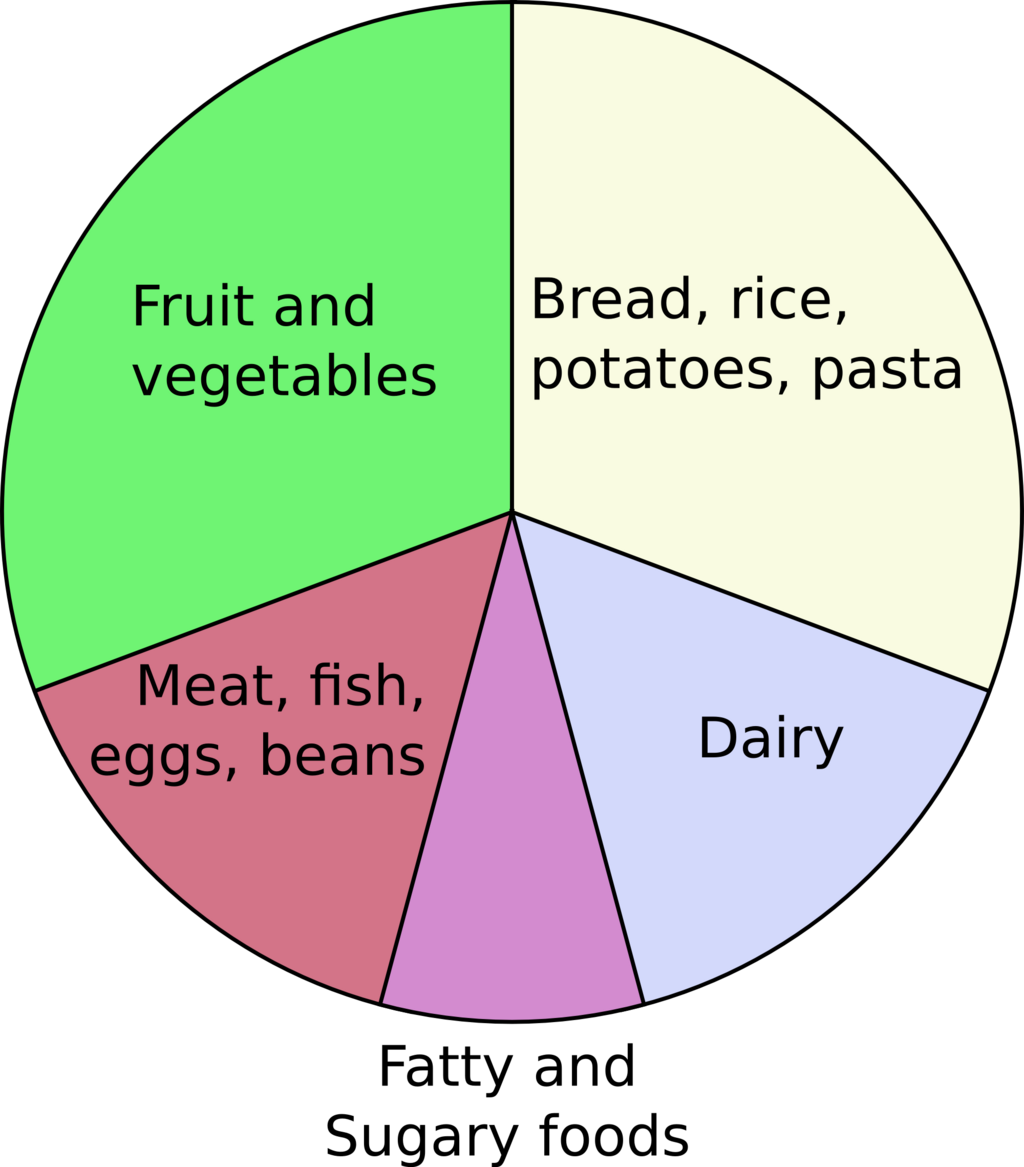
Eating a mix of these groups ensures you get a wide range of benefits, from energy to stay active to the building blocks for a strong body. Let’s look at what each group does.
Fruits and Vegetables
Often grouped together, fruits and vegetables are powerhouses of vitamins, minerals, and fiber. They help keep your body's systems running smoothly and can protect you from getting sick. Their high fiber content also helps with digestion and makes you feel full.
Because there are so many different kinds, eating a variety of colors—like leafy greens, bright red tomatoes, and orange carrots—is a great way to get a mix of benefits.
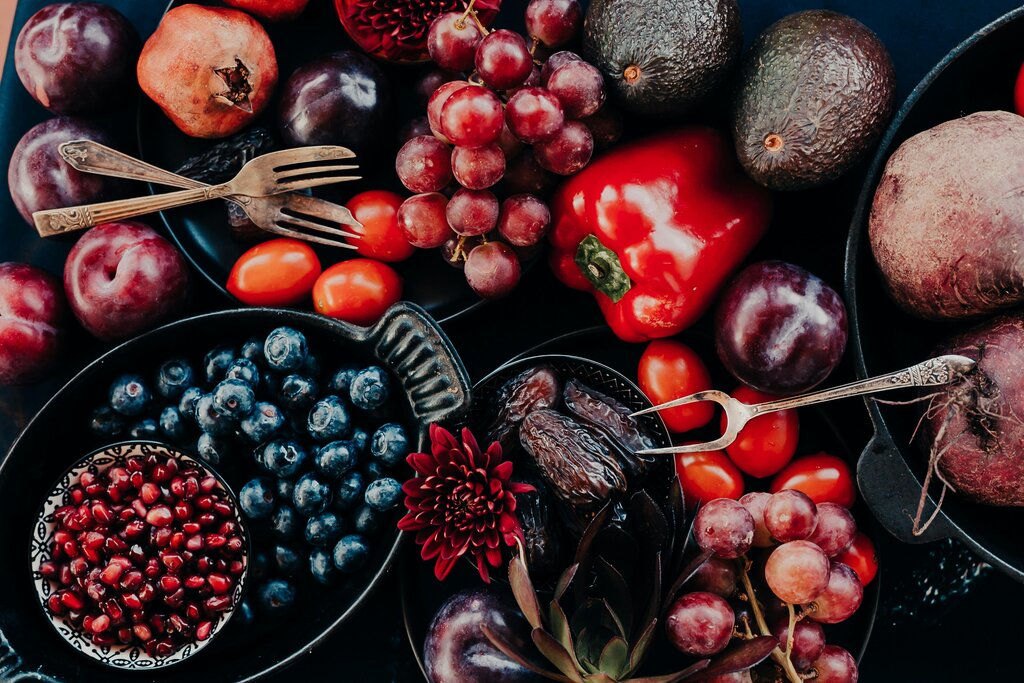
Common examples include apples, bananas, broccoli, spinach, bell peppers, and berries.
Grains
Grains are your body's main source of energy. They provide the carbohydrates your brain and muscles need to work. Think of them as the fuel for your day.
This group includes foods made from wheat, rice, oats, cornmeal, barley, or another cereal grain. Whenever possible, choosing whole grains (like brown rice or whole-wheat bread) is a great option because they contain more fiber and nutrients than their refined counterparts (like white rice and white bread).

Foods in this group include bread, pasta, oatmeal, breakfast cereals, tortillas, and rice.
Protein
Protein foods are the primary building blocks for your body. They're essential for building and repairing tissues, like muscles, skin, and hair. They also play a critical role in keeping your immune system strong.
This group is diverse, including both animal and plant-based options. You don't have to eat meat to get enough protein; beans, nuts, and seeds are all excellent sources.
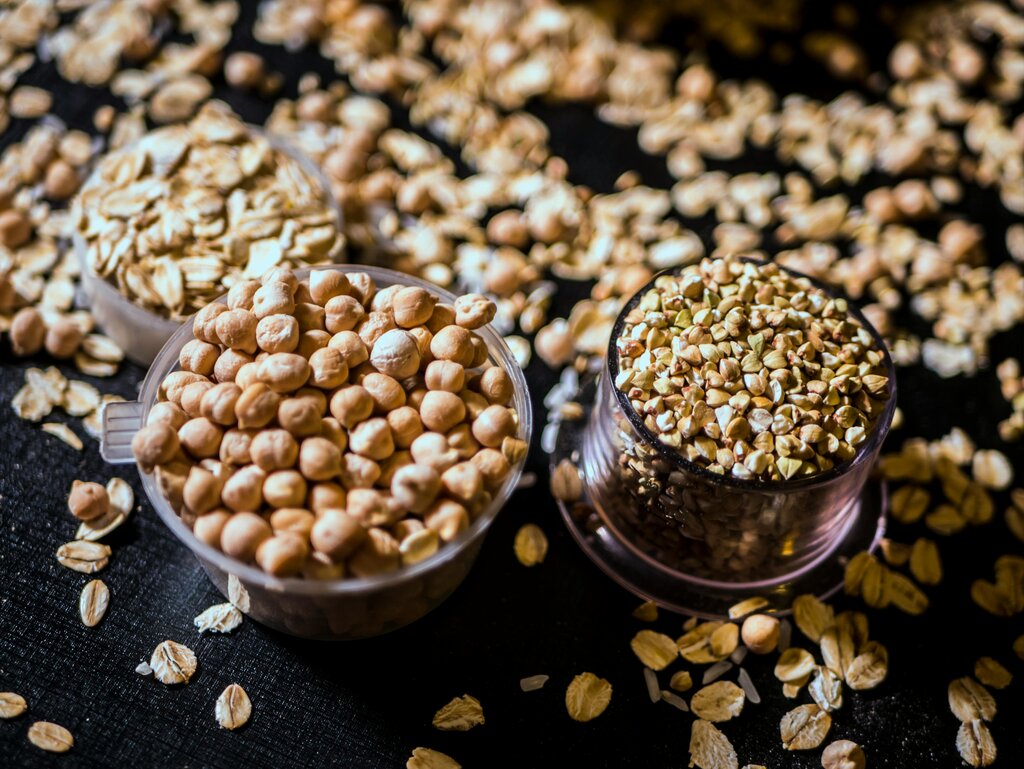
This group includes meat, poultry, fish, eggs, beans, peas, nuts, seeds, and soy products like tofu.
Dairy
The dairy group is best known for providing calcium, which is vital for building and maintaining strong bones and teeth. Many dairy products are also fortified with vitamin D to help your body absorb that calcium.
If you don't consume dairy, you can get calcium from other sources. Many dairy-free alternatives like soy milk, almond milk, and fortified orange juice can provide similar benefits.
Common dairy foods are milk, yogurt, and cheese.
| Food Group | Primary Role | Examples |
|---|---|---|
| Fruits & Vegetables | Vitamins, minerals, fiber | Apples, spinach, carrots |
| Grains | Energy | Bread, rice, oatmeal |
| Protein | Build & repair tissues | Chicken, beans, tofu |
| Dairy | Bone health | Milk, cheese, yogurt |
By aiming to include foods from each of these groups in your daily meals, you give your body the balanced nutrition it needs to thrive.